

 英语
英语 葡萄牙语
葡萄牙语 西班牙语
西班牙语 русский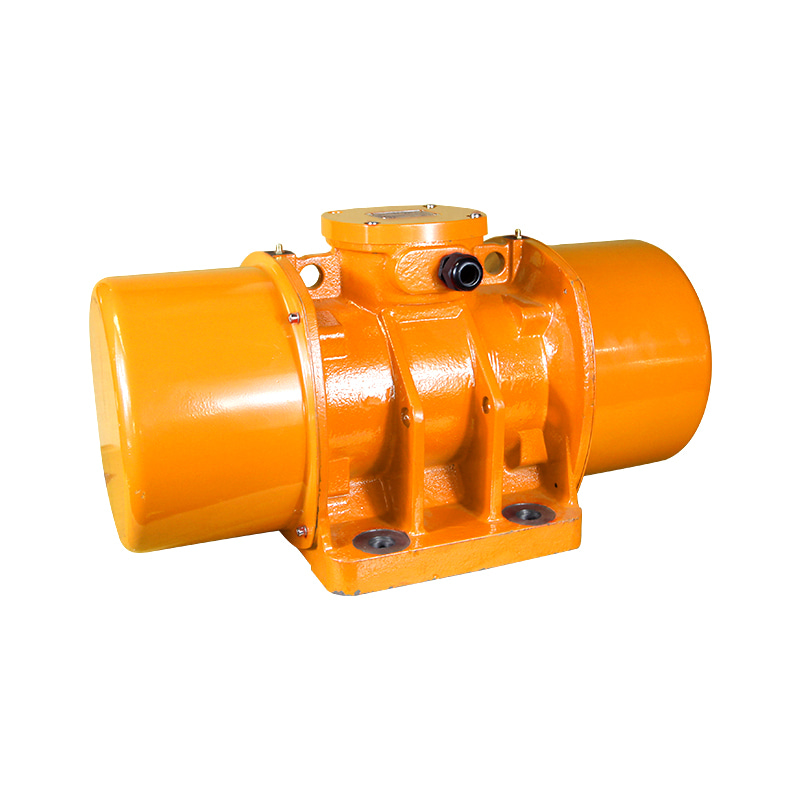
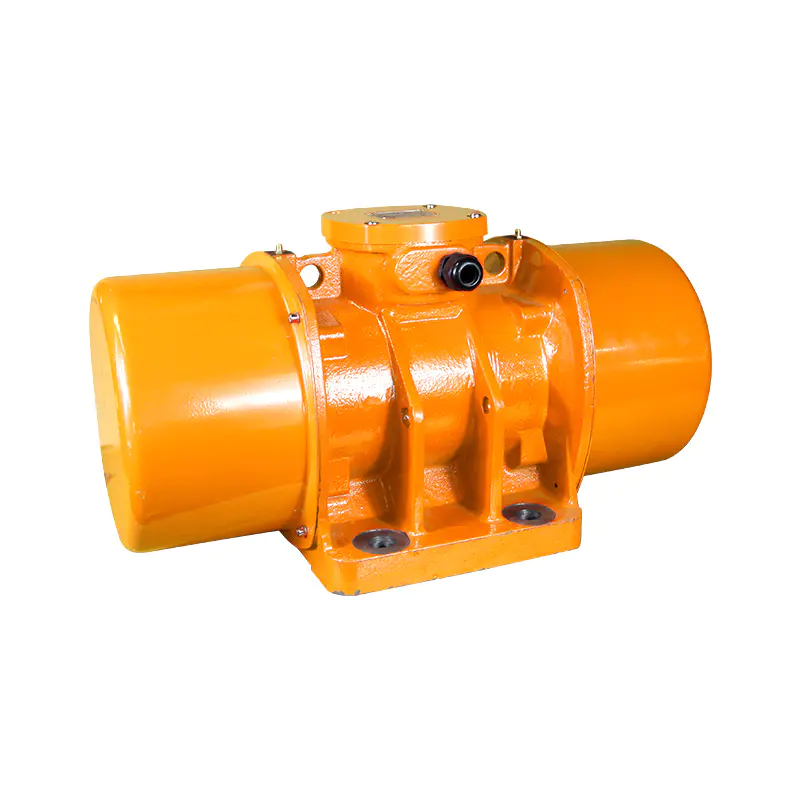
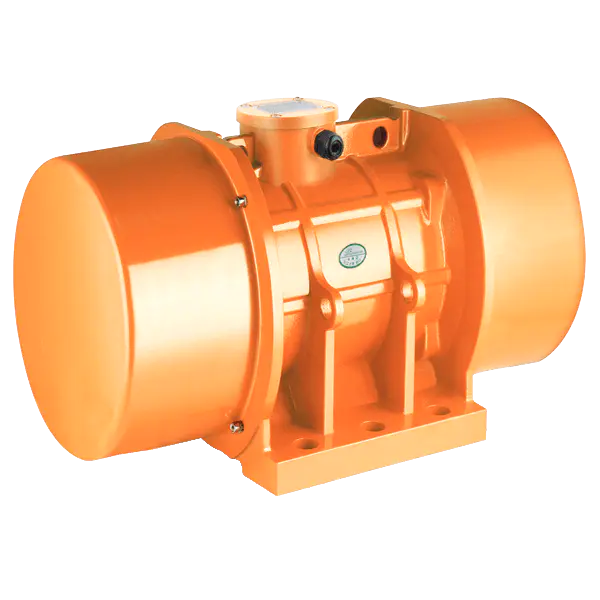
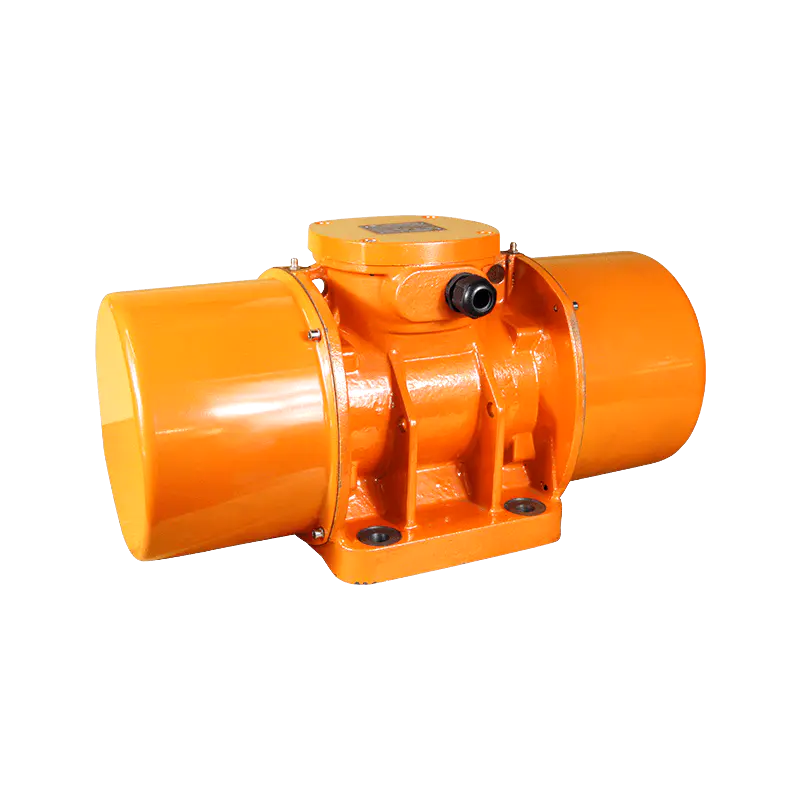
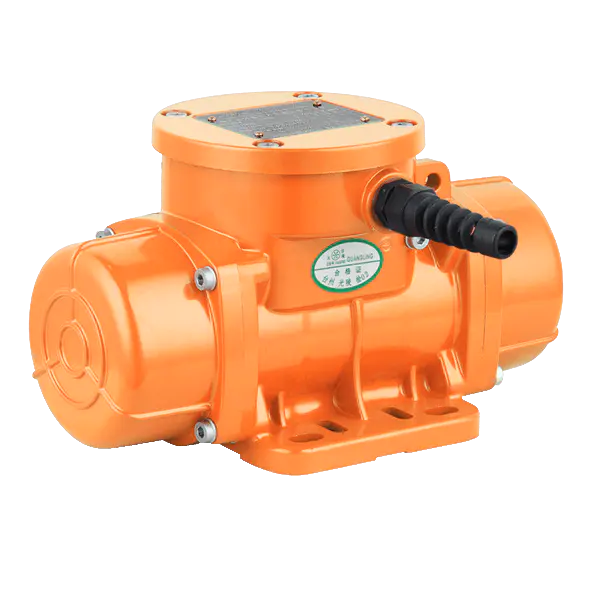
Across a diverse spectrum of industries, from manufacturing and construction to consumer goods and healthcare, a compact and efficient actuator is playing an increasingly vital role: the electrical vibrator motor. This device, designed to convert electrical energy directly into controlled mechanical oscillations, is important for tasks involving material movement, compaction, sorting, and tactile feedback. The rising demand for automation and precision has positioned the reliable electrical vibrator motor as a fundamental component in countless applications.
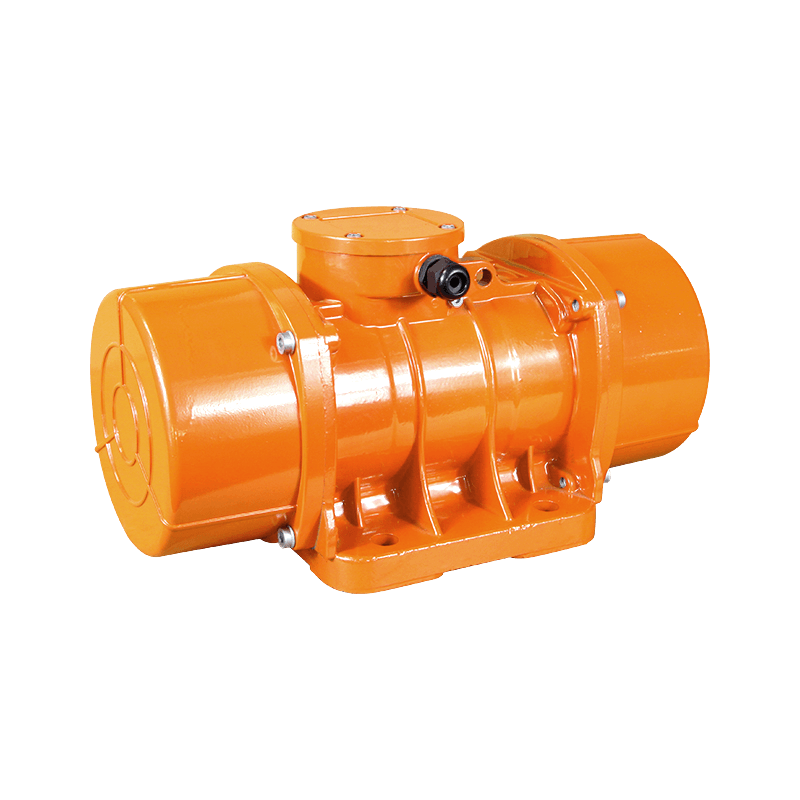
The core operating principle of an electrical vibrator motor is the generation of a rotational imbalance. Inside the motor's housing, an eccentric weight is attached to the output shaft. When powered, the shaft spins, causing the off-center mass to create a centrifugal force. This force manifests as vibration transmitted through the motor's body. The frequency and intensity of the output from an electrical vibrator motor are determined by factors like rotational speed, the mass of the weight, and its distance from the center of rotation. This straightforward mechanism allows the electrical vibrator motor to deliver consistent, adjustable vibrational force.
In industrial and processing contexts, the electrical vibrator motor is a workhorse for material handling. It is the driving force behind vibratory feeders, conveyors, sieves, and screens. Mounted on the side of a hopper or bin, an electrical vibrator motor prevents material arching and ratholing, ensuring a steady, reliable flow of powders, granules, or bulk solids. In construction, heavy-duty versions of the electrical vibrator motor are crucial for consolidating concrete in forms, removing air voids to achieve up to strength and density. The robust design of an industrial electrical vibrator motor allows it to withstand harsh environments, continuous operation, and exposure to dust and moisture.
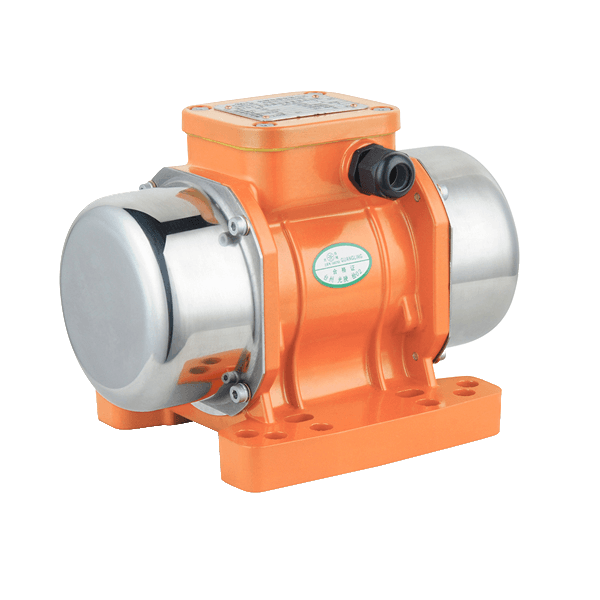
Beyond heavy industry, the application of the electrical vibrator motor is remarkably broad. In the consumer electronics sector, miniaturized electrical vibrator motors provide silent haptic feedback in smartphones, game controllers, and wearable devices. In the realm of personal care and wellness, these motors are central to the function of massage devices, contributing to therapeutic relief. Furthermore, the electrical vibrator motor finds use in various medical devices, assistive technologies, and even in household appliances where controlled vibration is needed for functions like sifting or compacting.
The design evolution of the electrical vibrator motor focuses on enhancing durability, controllability, and energy efficiency. Modern motors feature improved sealing to protect internal bearings and windings, extending service life in demanding conditions. The integration of electronic speed controllers allows for precise adjustment of vibration intensity, making the electrical vibrator motor a versatile tool adaptable to different processes or user preferences. Advances in magnetic materials and motor design also contribute to lower power consumption and quieter operation, expanding the suitability of the electrical vibrator motor for noise-sensitive environments.
The electrical vibrator motor is a testament to the power of specialized, reliable engineering. Its ability to provide a simple yet highly effective means of generating controlled vibration makes it indispensable for improving efficiency, ensuring quality, and enabling functionality in a vast array of settings. As industries continue to automate and seek more refined control over physical processes, the role of the dependable electrical vibrator motor is set to remain both crucial and expanding.


 Tel: + 86-576-86320988
 Fax: + 86-576-86333217
 E-mail:
  Add: Dayangcheng Industrial Zone, daxi, wenling, zhejiang, china
