

 英语
 葡萄牙语
 西班牙语
 русский
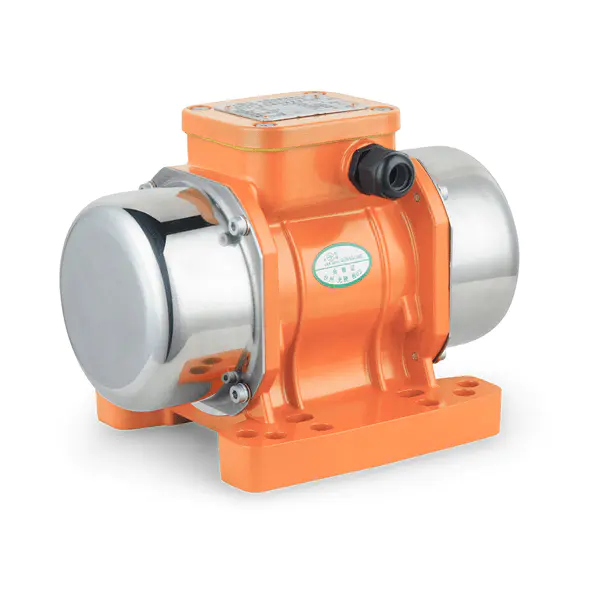
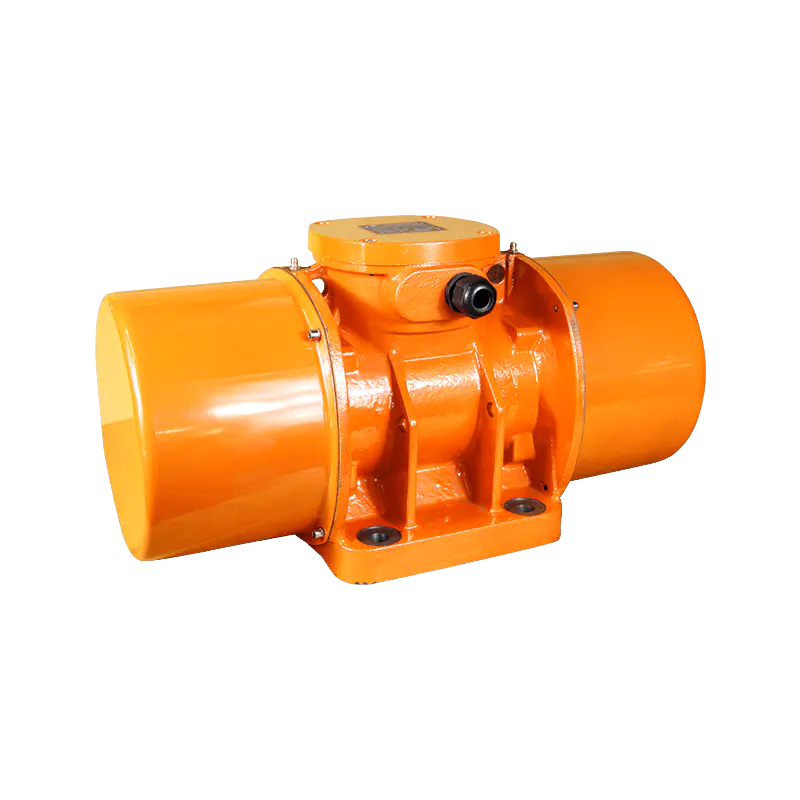
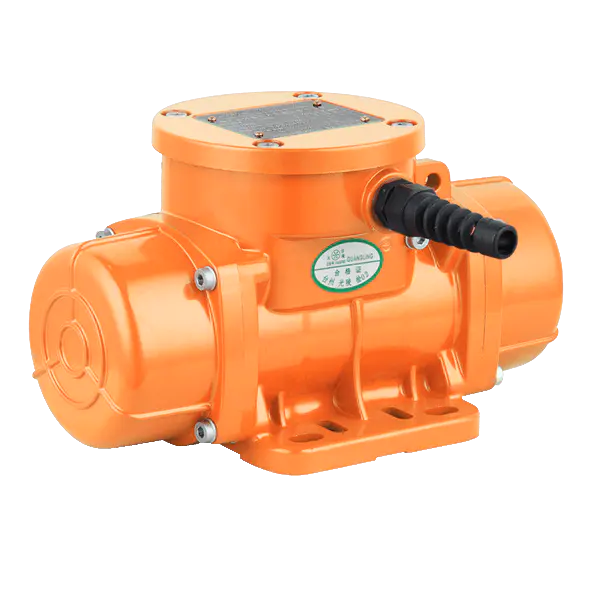
When concrete equipment manufacturers source external vibrators, the motor's rated output is only part of the specification. The unit must also fit the supporting structure, connect securely to the equipment, and operate within the available installation space. For buyers purchasing an External Vibrator Motor, confirming these interface details early helps connect product selection with the actual equipment configuration.
This is particularly relevant to concrete formwork and precast production equipment, where the vibrator is mounted externally rather than inserted into fresh concrete. The mounting arrangement determines how the unit connects to the structure receiving the vibration, making equipment dimensions and installation requirements important parts of the purchasing process.
Mounting Dimensions Define Equipment Compatibility
The mounting surface is one of the first details to confirm when matching a vibrator to an existing machine or formwork assembly. Available space, fixing-hole positions, supporting structure dimensions, and access for installation can affect whether a particular model fits the intended location.
For an External Vibrator Motor, buyers should provide a mounting drawing or the relevant dimensions of the supporting structure whenever possible. A photograph can help explain the installation environment, but it may not show hole spacing, clearances, or other measurements needed to verify compatibility.
The product range from Zhejiang Guangling Vibrating Technology includes models such as ZW-2.5, ZF110-50, ZF330-50, and ZF150-50. These model references help buyers identify the intended product, but the selected unit should still be checked against the requirements of the equipment being supplied.
Installation Space Affects Model Matching
Two machines may use external vibration for similar purposes while providing different installation spaces. One may have a compact mounting area, while another can accommodate a larger unit. The available space around the mounting point also matters because nearby structural members, guards, and other equipment may restrict access.
When specifying an External Vibrator Motor, buyers should consider the overall dimensions and weight of the proposed unit alongside the mounting arrangement. Guangling's published product information lists differences among its models in dimensions, power, centrifugal force, current, and weight. These values provide a basis for comparing available options without assuming that a larger model is automatically suitable for every installation.
A clear comparison should therefore combine the equipment's physical constraints with its required operating parameters. This helps purchasing teams narrow the product range before confirming the final model.
Mounting Structure and Vibration Requirements Work Together
The supporting structure is part of the installed vibration system. Its rigidity, fixing arrangement, and connection to the equipment influence how vibration is transmitted. Selecting a motor without considering the structure can leave an otherwise suitable unit poorly matched to the application.
For an External Vibrator Motor used on concrete formwork or precast equipment, the buyer should identify both the required vibration output and the mounting conditions. The equipment manufacturer can then assess the model against the intended use and installation arrangement.
These details should not be treated as substitutes for one another. A model that meets a requested power or centrifugal-force value may still require a different mounting arrangement from the one available. Conversely, physical fit alone does not establish that the motor provides the operating output needed by the equipment.
Technical Information Needed Before Ordering
A clear inquiry gives the manufacturer enough information to review the proposed configuration. Buyers can prepare the following details before requesting a quotation or confirming a model.
|
Information |
Purpose |
|
Equipment type and application |
Identifies the intended operating context |
|
Mounting dimensions and hole positions |
Helps assess physical compatibility |
|
Available installation space |
Establishes dimensional constraints |
|
Required centrifugal force and power |
Supports model comparison |
|
Supply voltage and current requirements |
Helps confirm electrical compatibility |
|
Quantity and delivery requirements |
Supports order planning |
For an External Vibrator Motor, drawings and confirmed operating requirements are particularly useful when replacing an existing unit or integrating a vibrator into newly manufactured equipment. If the project uses a previous model as its reference, buyers should provide the model number and confirm whether the mounting arrangement has remained unchanged.
Keep Approved Models Consistent Across Orders
Once a model has been approved for a particular equipment configuration, its identification should remain consistent across quotations, purchase orders, and production records. This is especially important for equipment manufacturers that use several vibrator models across different machines or production lines.
When reordering an External Vibrator Motor, buyers should verify the model reference, mounting requirements, electrical data, and required operating output against the approved specification. If the supporting structure or operating conditions have changed, the original selection should be reviewed rather than copied automatically.
For manufacturers supplying concrete and precast equipment, clear mounting information creates a practical connection between the vibrator and the machine it serves. By confirming interface dimensions alongside electrical and operating requirements, purchasing teams can evaluate suitable models with fewer unresolved questions before placing bulk orders.


 Tel: + 86-576-86320988
 Fax: + 86-576-86333217
 E-mail:
 Add: Dayangcheng Industrial Zone, daxi, wenling, zhejiang, china
