

 英语
 葡萄牙语
 西班牙语
 русский
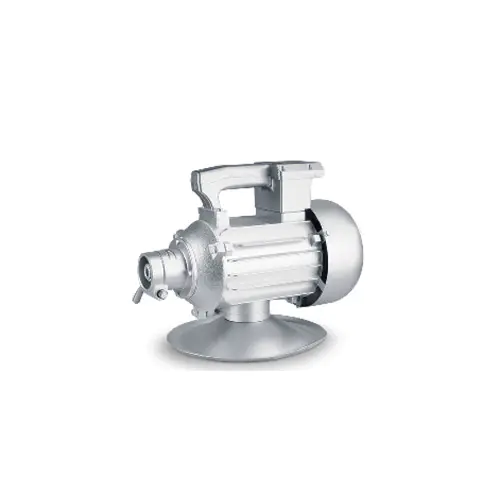
Concrete placement varies from one construction site to another. A foundation may allow workers to insert a vibrating head directly into fresh concrete, while a precast production line may use vibration applied through the mould. Some sites also need equipment that can operate without a nearby electrical supply. These conditions affect the type of Concrete Vibrator Motor required and its working arrangement.
Selection starts with the placement method, not simply the motor rating. Working space, form design, available power, and the point where vibration enters the concrete all influence the configuration. These factors help determine which Concrete Vibrator Motor category fits the job.
Access to the Concrete Determines the Format
When workers can reach the fresh concrete, an internal vibrator can be inserted into the mixture. Its vibrating head works inside the pour, making this format relevant to foundations, beams, columns, and other cast-in-place sections. The operator moves the head through the concrete so vibration reaches different areas.
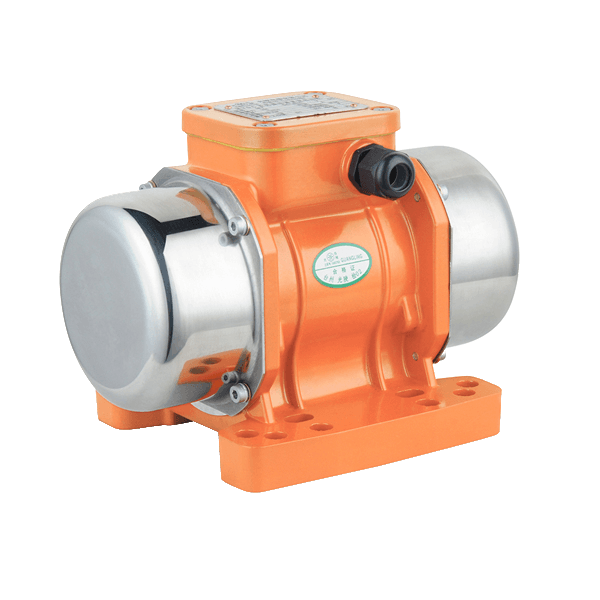
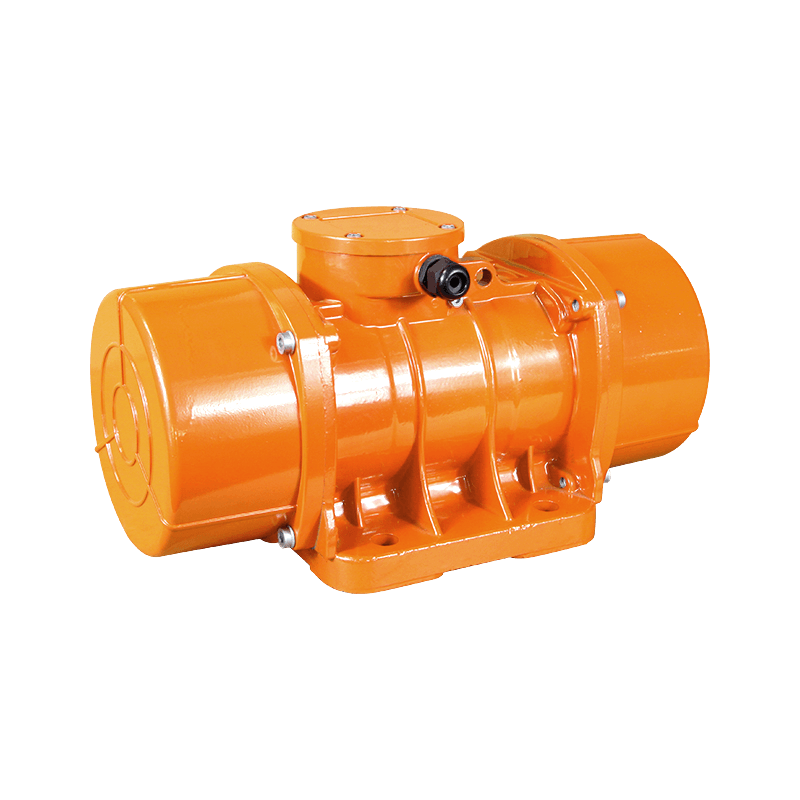
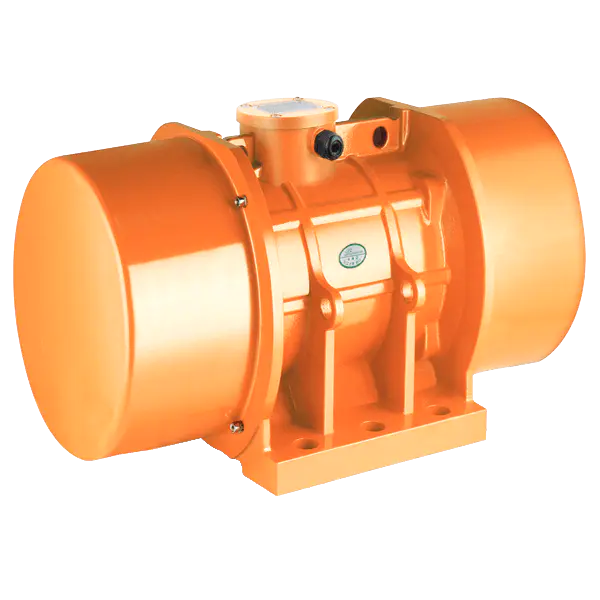
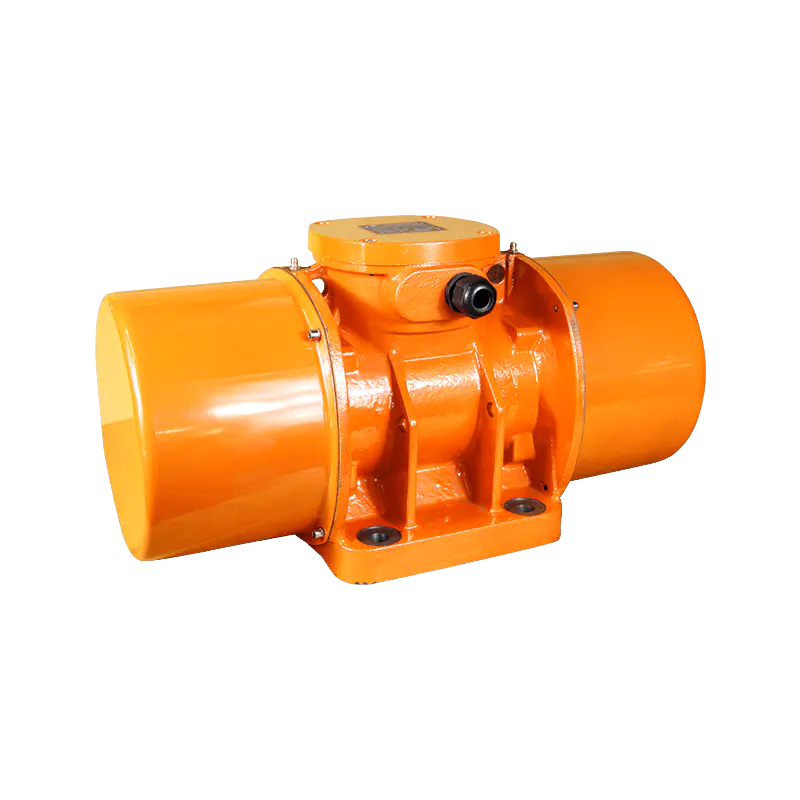
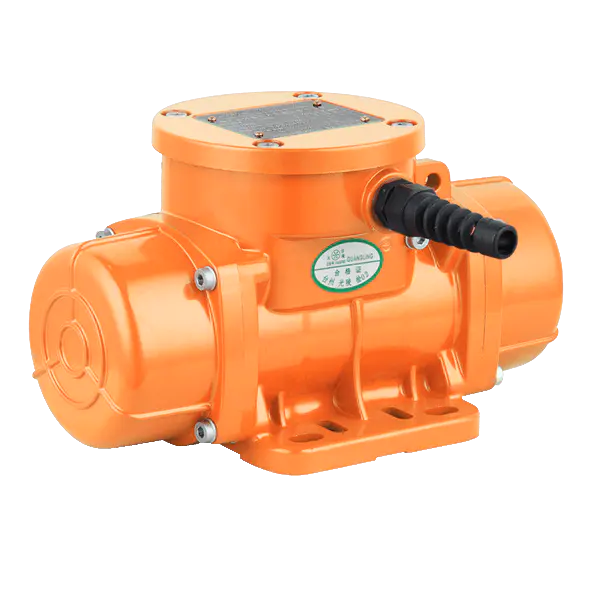
In other applications, direct access is restricted by the mould or structure. An external vibrator attaches to the formwork and transfers vibration through the supporting surface. This arrangement is used when the mould or form needs to carry vibration into the concrete.
The distinction is practical: one system enters the concrete, while the other works from the outside. A Concrete Vibrator Motor must match the equipment arrangement and the way vibration reaches the material. The two formats are not interchangeable when planning mounting, handling, and site operation.
Power Supply Changes the Equipment Choice
Power availability is another early consideration. Construction sites may have a stable electrical supply, but temporary work areas can have different arrangements. Where an electrical connection is unavailable or inconvenient, a gasoline-driven vibrator provides another format.
Zhejiang Guangling Vibrating Technology Co., Ltd. lists internal concrete vibrators, external concrete vibrators, high-frequency external models, and a gasoline concrete vibrator in its product range. These categories address different working arrangements rather than representing interchangeable versions of one machine.
The power source affects how equipment is positioned and operated. This also shapes the Concrete Vibrator Motor specification. Electric models need a suitable supply and cable arrangement, while gasoline equipment carries its own engine-based drive. When specifying Concrete Compaction Equipment, the site power plan should be considered alongside the placement method.
Formwork and Production Layout Matter
External vibration is closely connected to the structure supporting the unit. The mounting surface needs a suitable attachment point, and the equipment layout should allow vibration to pass into the form. In precast production, this relationship matters because the mould and production arrangement are part of the working system.
A factory producing external models needs to account for mounting configuration as well as electrical and mechanical components. Guangling's listed range includes ZW-2.5, ZF110-50, ZF150-50, and ZF330-50, alongside high-frequency external models such as GZ100 and GZF150B. The models offer different options, but the match depends on installation and application requirements.
For internal models, the connection to the vibrating head and operator access to the pour become more relevant. These differences influence assembly and product configuration. A Concrete Vibrator Motor is selected as part of a working arrangement, not as an isolated component.
Match the Model to the Pouring Process
The size and shape of a concrete section affect how vibration can be distributed. Reinforcement spacing, form depth, access openings, and pouring sequence all influence where equipment can work. A narrow or congested section may limit movement of an internal vibrating head. A mould-based process may instead call for external vibration.
Before choosing a model, establish whether the unit will be inserted into the concrete or fixed to a form. Identify the available power source and check how the equipment will be positioned during the pour. These details help narrow the range of Concrete Compaction Equipment suited to the job.
Model specifications, connection details, and installation requirements should then be checked against actual working conditions. Product category alone is not enough to confirm suitability.
Manufacturing for Different Site Requirements
A manufacturer serving several concrete vibration applications needs to manage more than one product format. Internal vibrators, external units, high-frequency external models, and gasoline-driven equipment have different structures and assembly requirements. Production planning must reflect those differences rather than apply one configuration across the range.
Zhejiang Guangling Vibrating Technology Co., Ltd. identifies a 20,000-square-meter production site and more than 30 sets of high-precision processing equipment on its website. Its concrete vibrator range sits within a wider business focused on vibration motors and related equipment.
A Concrete Vibrator Motor is part of a larger concrete placement system. Choosing it requires understanding where vibration is introduced, how the equipment is powered, and what structure supports it. Defining these factors first helps equipment planners compare suitable models against the actual demands of the job and select appropriate Concrete Compaction Equipment.


 Tel: + 86-576-86320988
 Fax: + 86-576-86333217
 E-mail:
 Add: Dayangcheng Industrial Zone, daxi, wenling, zhejiang, china
