

 英语
英语 葡萄牙语
葡萄牙语 西班牙语
西班牙语 русский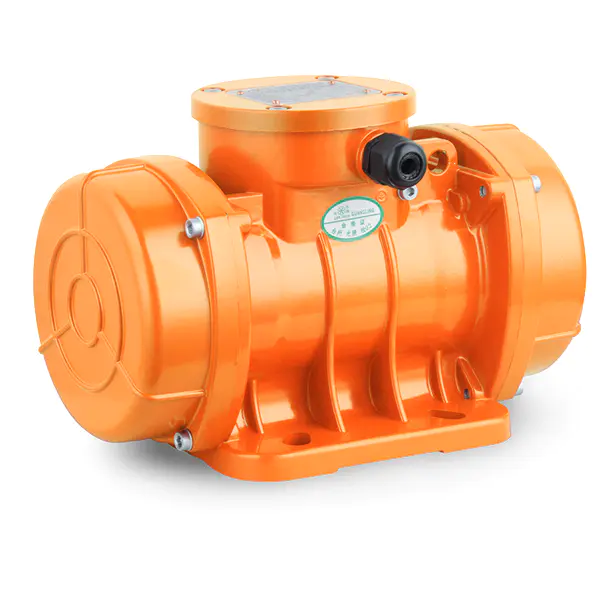
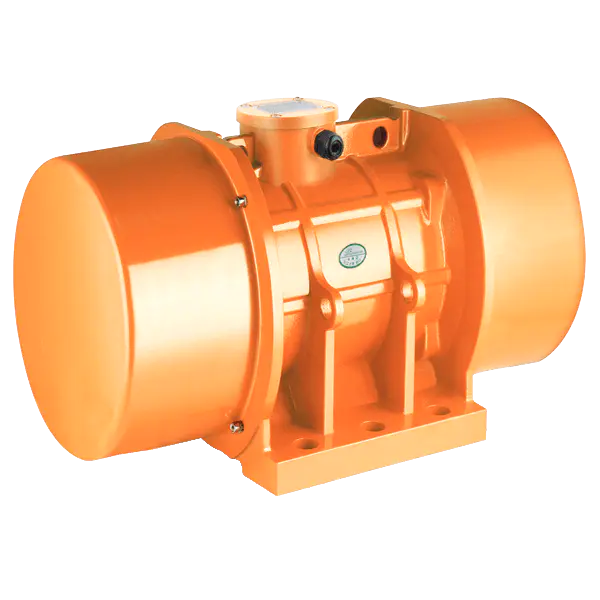
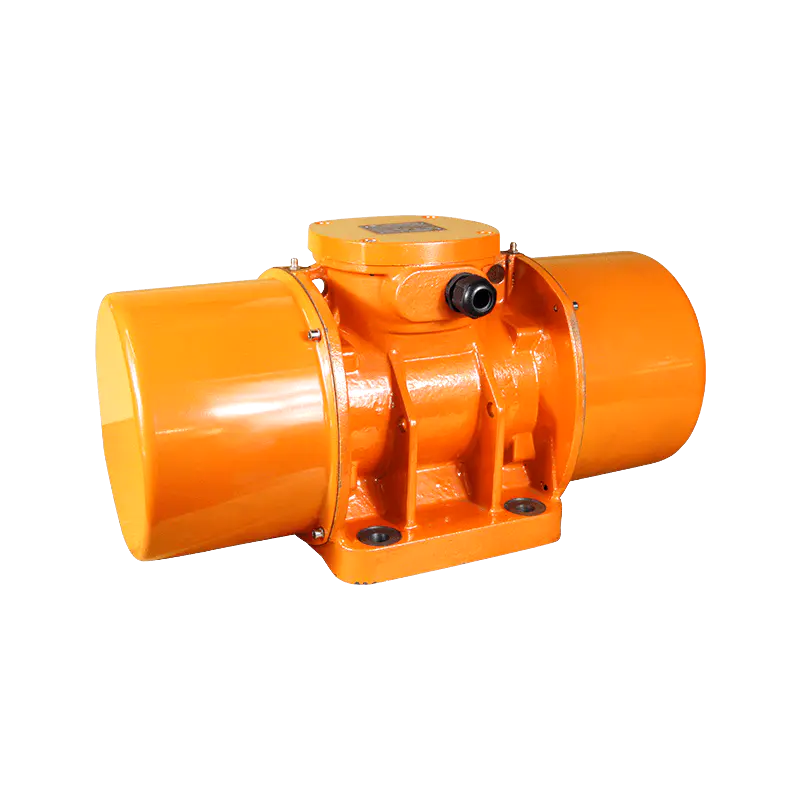
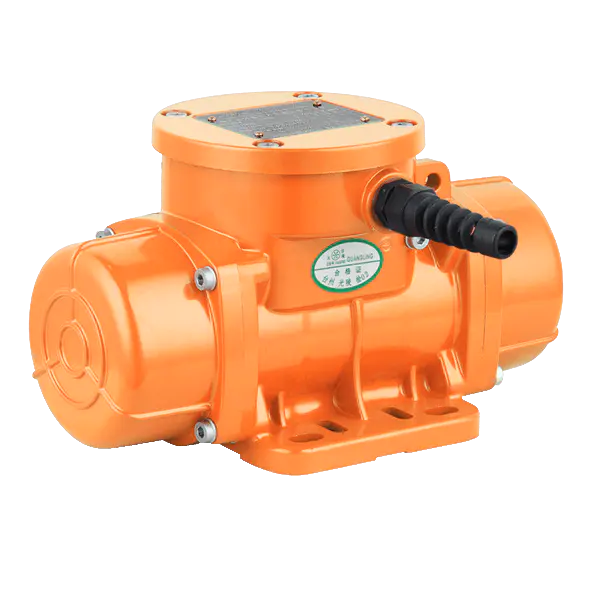
Vibration motor is a small but essential component in many everyday devices, from smartphones and gaming controllers to fitness trackers and medical alert systems. This compact motor creates silent, tactile feedback that alerts users without sound, making it invaluable in situations where audible notifications would be disruptive or ineffective.
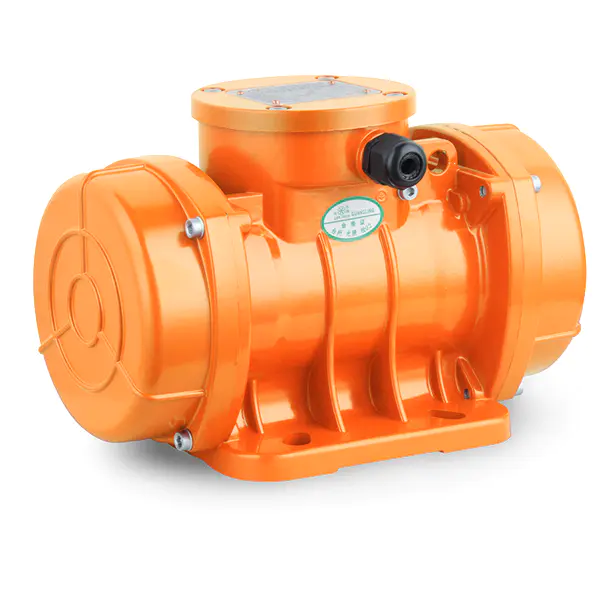
The basic design of a vibration motor is relatively simple. A small electric motor spins an off-center weight attached to its shaft. As the weight rotates, the imbalance creates a centrifugal force that causes the entire motor to shake. This shaking is transferred through the device casing to the user’s hand or body. The intensity of vibration depends on the motor speed and the size and shape of the unbalanced weight.
Two main types of vibration motors dominate the market. Eccentric rotating mass motors use a traditional DC motor with a lopsided weight on the shaft. These are simple, inexpensive, and produce strong vibration at lower speeds. Linear resonant actuators work differently, using a spring-mounted mass driven by a magnetic coil. Linear actuators vibrate only along one axis, respond faster, and allow more precise control of vibration patterns. Smartphones increasingly use linear actuators for haptic feedback that simulates button clicks or typing sensations.
The size of vibration motors varies widely by application. A tiny vibration motor used in a smartwatch may be only a few millimeters across and thinner than a coin. A larger motor in a game controller or fitness massager might be the size of a coin or larger. The smallest motors use coin-type designs where the unbalanced mass is part of the motor casing itself, eliminating separate parts.
Power consumption is an important consideration for battery-powered devices. A vibration motor running continuously can drain a battery noticeably faster than the device’s other functions. For this reason, vibration alerts are typically brief—a second or two for a notification, a few seconds for an incoming call. Linear resonant actuators generally use less power than eccentric rotating mass motors for the same perceived vibration strength.
Common failure modes for vibration motors include bearing wear, weight detachment, and electrical connection breakage. Bearings in small motors can wear out after millions of cycles, causing the motor to become noisier or eventually seize. The off-center weight is typically pressed or glued onto the shaft; if it loosens, the vibration pattern changes and the weight may spin independently. Thin wires connecting the motor to the device circuit board can break if flexed repeatedly or pulled during assembly.
Testing of vibration motors occurs at multiple stages. Manufacturers test each motor for speed, vibration amplitude, and current draw before shipping. Device makers test assembled products to confirm that the vibration is noticeable but not uncomfortable, and that it does not cause rattling of other internal components. Some devices include software calibration that adjusts motor drive signals to achieve consistent vibration across different units.
The feel of a vibration motor can be tuned for different experiences. A short, sharp burst suggests a successful tap or keypress. A longer, pulsing pattern indicates an incoming call. A double buzz might signal a low battery. Game controllers use varying vibration intensities to simulate different sensations, such as the rumble of a car engine or the impact of a collision.
As devices become more compact and screens replace physical buttons, the vibration motor provides a necessary sense of touch in a touchscreen world. It confirms that a press was registered, alerts without disturbing others, and adds a layer of physical feedback that screens alone cannot offer. For millions of daily interactions, the silent shake of a vibration motor says what sound cannot.


 Tel: + 86-576-86320988
 Fax: + 86-576-86333217
 E-mail:
  Add: Dayangcheng Industrial Zone, daxi, wenling, zhejiang, china
