

 英语
英语 葡萄牙语
葡萄牙语 西班牙语
西班牙语 русский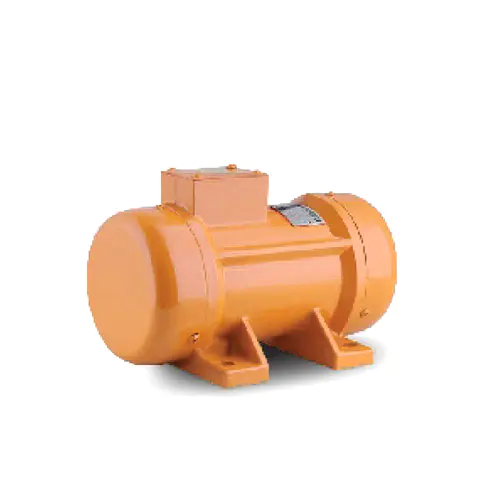
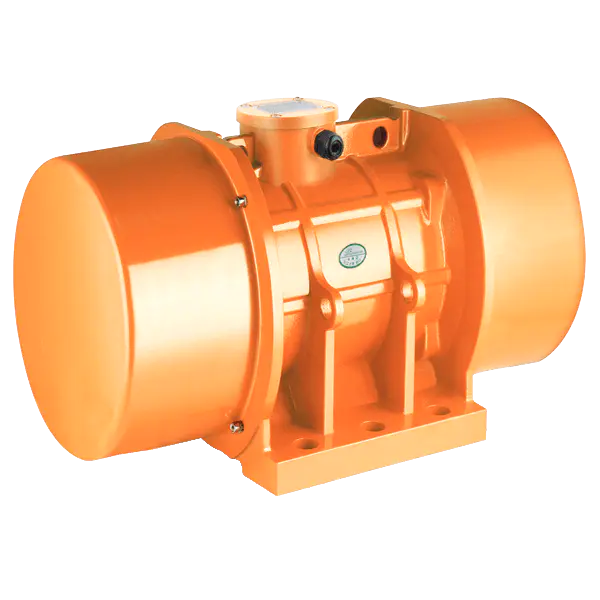
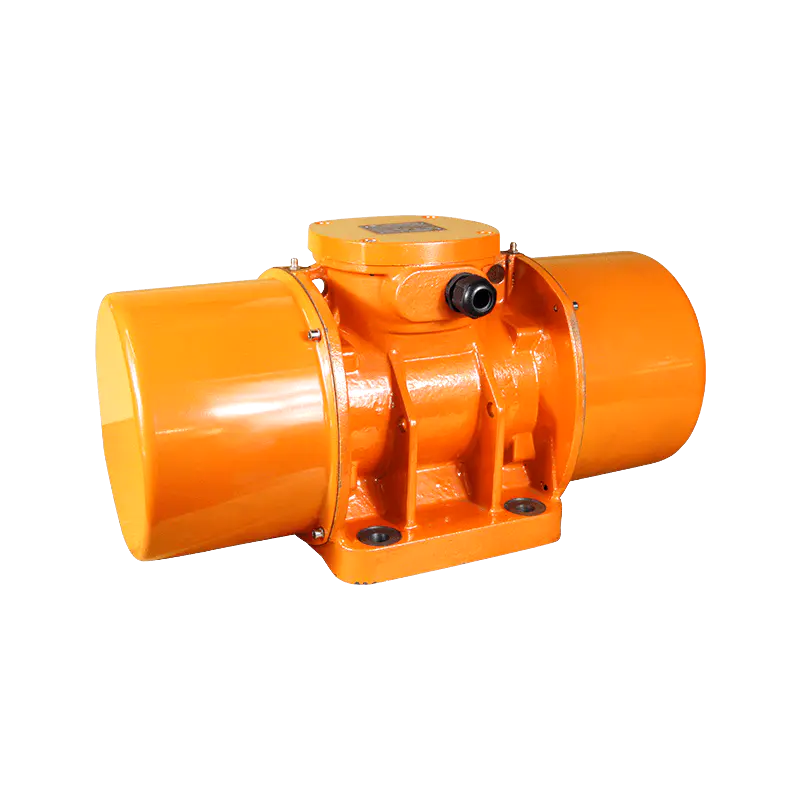
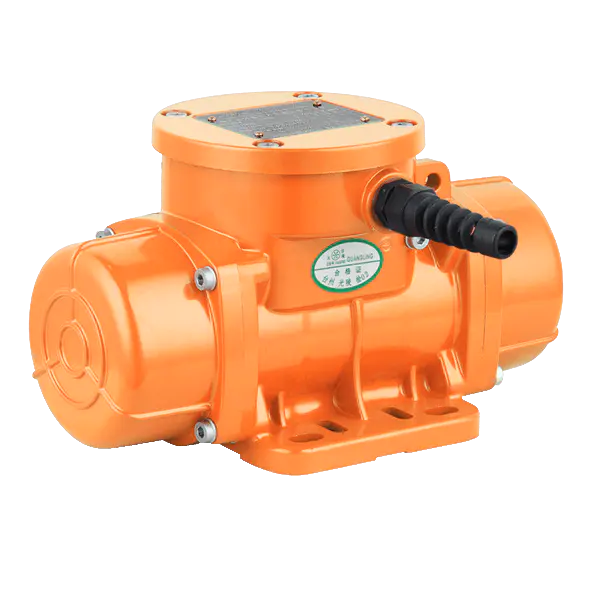
Within the critical operations of modern construction and infrastructure development, a specialized component plays a decisive role in determining the quality and durability of finished concrete structures: the concrete batching plant vibrator motor. This robust motor is specifically engineered to provide the high-frequency, forceful vibration essential for consolidating freshly mixed concrete within molds and forms at batching plants and precast facilities. The reliable performance of the concrete batching plant vibrator motor is fundamental to eliminating air pockets and ensuring a dense, homogeneous final product that meets stringent engineering specifications.
The primary function of the concrete batching plant vibrator motor is to efficiently transmit vibrational energy into fluid concrete. Typically, these are external electric vibrator motors attached to the exterior of formwork or embedded directly into the concrete mix via a vibrating head attached to a flexible shaft. When activated, the concrete batching plant vibrator motor generates rapid oscillations that liquefy the concrete mixture momentarily. This process, known as consolidation, causes entrapped air bubbles to rise to the surface and allows the concrete to flow completely into all corners of the form, surrounding reinforcement steel thoroughly. The correct application of vibration from a concrete batching plant vibrator motor is crucial for achieving the designed compressive strength, water tightness, and surface finish of the concrete element.
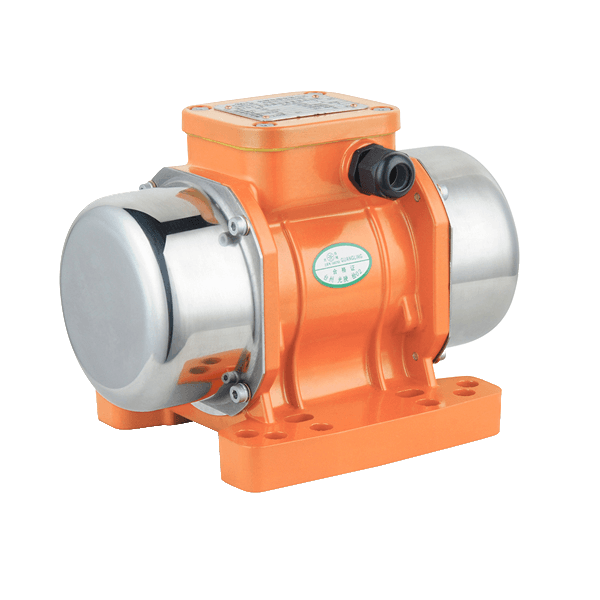
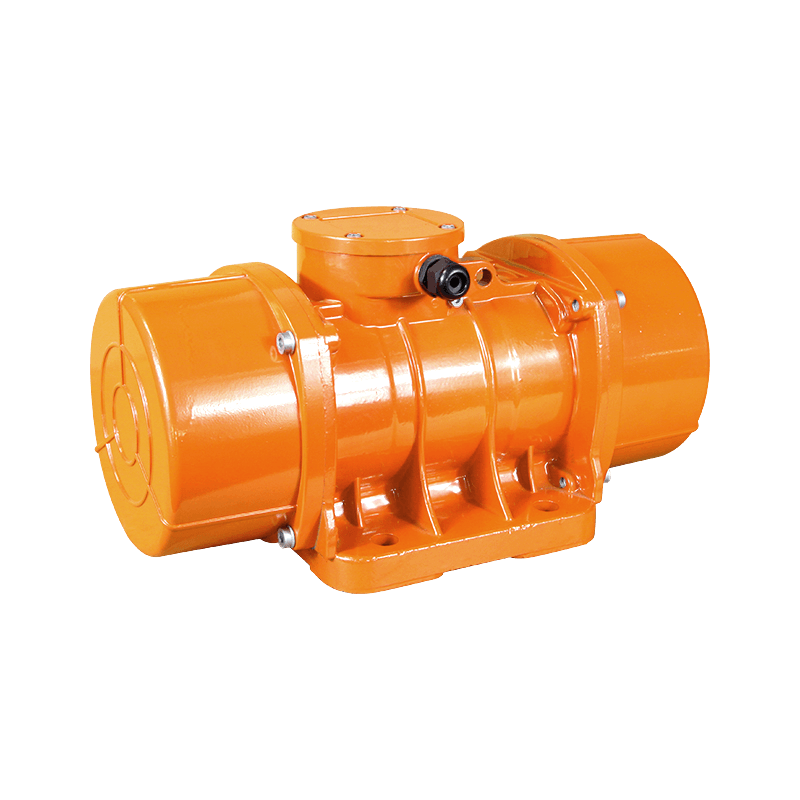
The operational demands placed on a concrete batching plant vibrator motor are considerable. It must be built to endure a harsh environment characterized by exposure to cement dust, mechanical shocks, moisture, and continuous high-load operation. Therefore, a high-quality concrete batching plant vibrator motor features a heavily reinforced housing, often cast from durable iron or steel, with predominant sealing to protect its internal bearings and electrical components from contamination. The motor's design prioritizes generating significant centrifugal force while maintaining consistent frequency under load, ensuring effective consolidation across different concrete mixes and form sizes. Reliability is paramount, as failure of a concrete batching plant vibrator motor during a pour can compromise an entire batch or structural element.
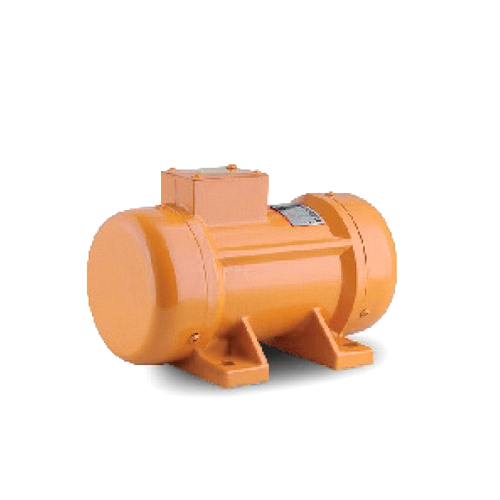
The selection and use of a concrete batching plant vibrator motor are guided by the specific requirements of the job. Factors such as the size and shape of the formwork, the stiffness of the concrete mix, and the depth of the pour determine the necessary frequency, amplitude, and number of vibrator motors required. Operators must strategically position and periodically relocate the concrete batching plant vibrator motor during pouring to achieve uniform consolidation without segregating the aggregate. Modern practices often involve using multiple concrete batching plant vibrator motors in a coordinated manner to ensure thorough compaction, especially for large precast panels, beams, or columns produced at a batching plant.
The evolution of the concrete batching plant vibrator motor continues to focus on durability, energy efficiency, and smarter operation. Developments in sealed bearing technology and improved insulation materials aim to enhance longevity in demanding conditions. Furthermore, the integration of basic health-monitoring sensors could provide early warnings of bearing wear or overheating in a concrete batching plant vibrator motor, facilitating predictive maintenance. As construction standards remain high and the industry emphasizes quality and efficiency, the concrete batching plant vibrator motor will persist as an indispensable tool, its steady hum synonymous with the creation of strong, reliable, and safe concrete structures that form the backbone of developed infrastructure.


 Tel: + 86-576-86320988
 Fax: + 86-576-86333217
 E-mail:
  Add: Dayangcheng Industrial Zone, daxi, wenling, zhejiang, china
