

 英语
英语 葡萄牙语
葡萄牙语 西班牙语
西班牙语 русский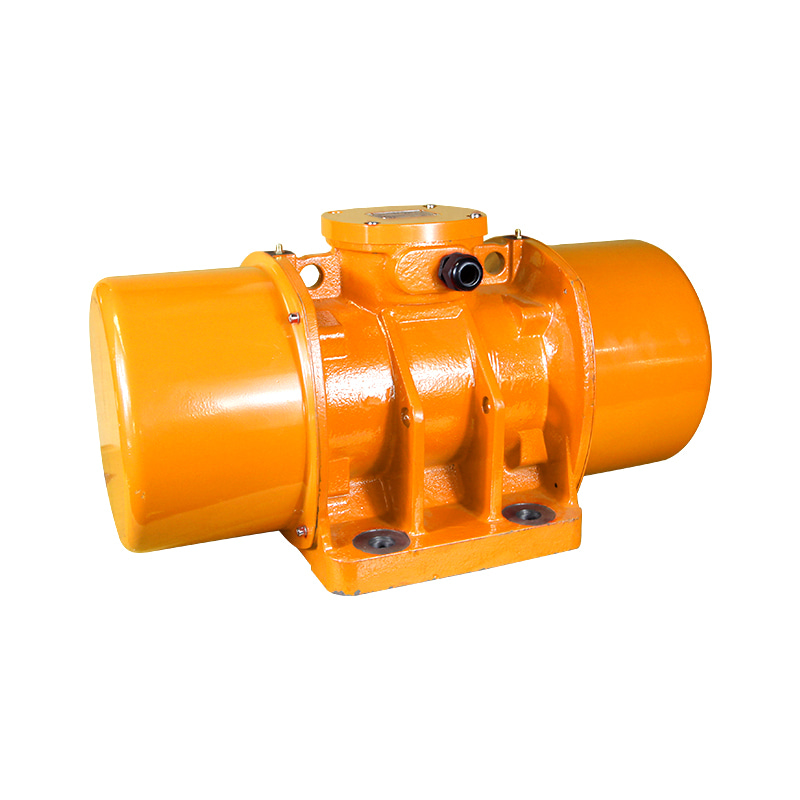
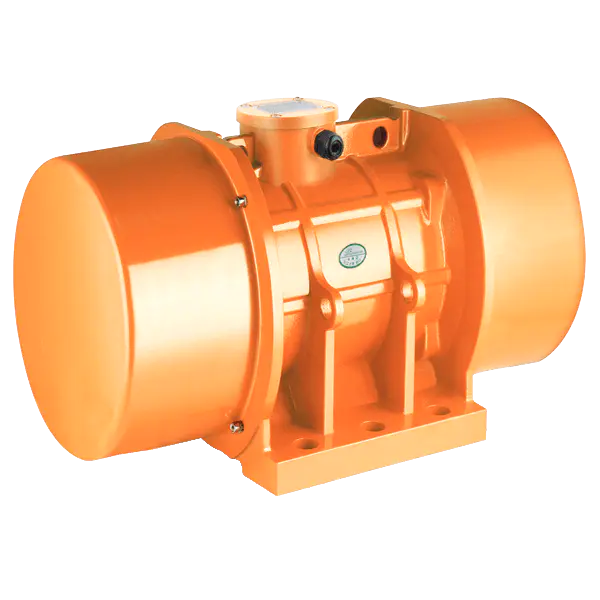
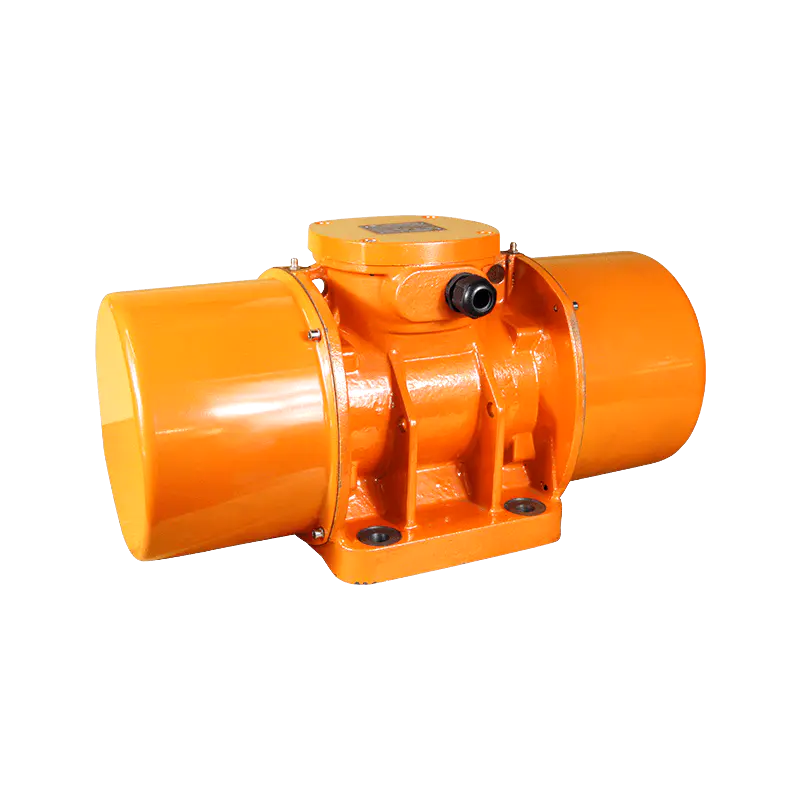
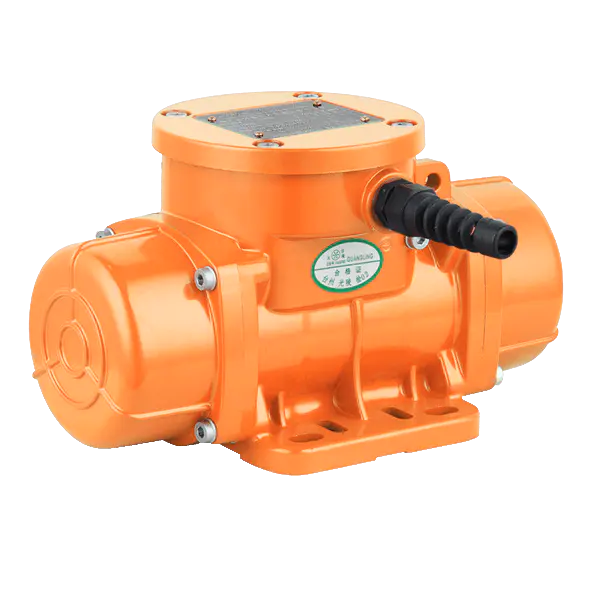
A specialized component is seeing increased integration across sectors ranging from advanced manufacturing to personal wellness: the electric vibrator motor. This self-contained actuator, designed to generate controlled mechanical oscillations from electrical power, is distinguished by its focus on delivering consistent, adjustable vibrational force. The growing reliance on the electric vibrator motor highlights a broader shift towards automation, precision handling, and enhanced product functionality in both industrial and consumer applications.
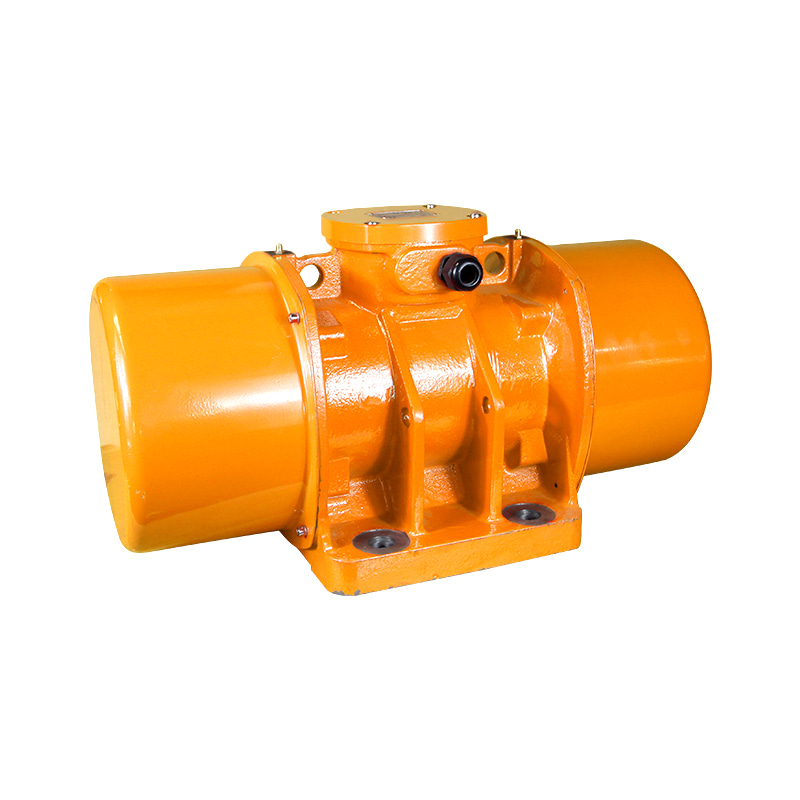
The fundamental operation of an electric vibrator motor is centered on creating a predictable oscillating force. Unlike standard rotary motors, the primary output of an electric vibrator motor is vibration itself. This is lots of commonly achieved through an internal unbalanced mass attached to the motor's shaft. As the shaft rotates, the offset weight generates centrifugal force, causing the entire motor housing to vibrate. The characteristics of this vibration—its frequency and amplitude—are determined by the motor's rotational speed and the mass of the eccentric weight. This design allows the electric vibrator motor to be a dedicated source of mechanical agitation or tactile feedback.
In industrial settings, the electric vibrator motor is a vital tool for material management. It is extensively used to drive vibratory feeders, conveyors, and screening equipment. By attaching an electric vibrator motor to a hopper, bin, or chute, operators can ensure the steady, reliable flow of powders, granules, and bulk materials, preventing blockages and promoting consistent feed rates. The consistent action of an electric vibrator motor is also employed in processes like compacting concrete or soil, and in finishing or polishing applications where controlled vibration is necessary. Its ability to operate with variable intensity makes the electric vibrator motor adaptable to different materials and process requirements.
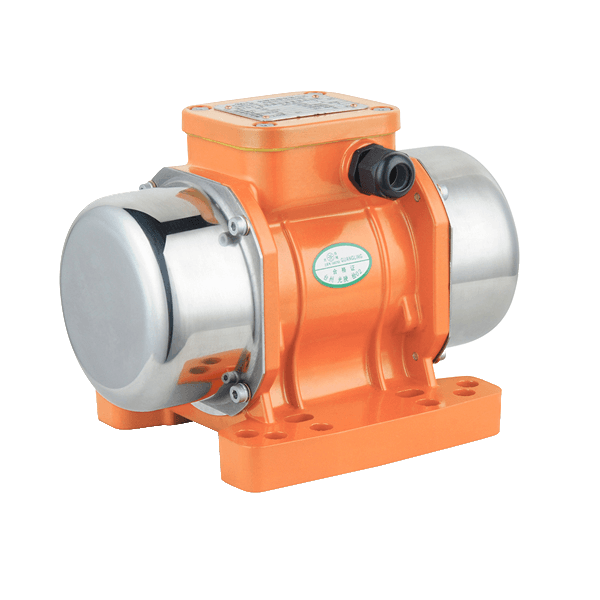
Beyond heavy industry, the electric vibrator motor is integral to a wide array of consumer and commercial products. In the realm of personal care and wellness, it serves as the core mechanism in many massage devices, providing therapeutic relief. Within home appliances, a small electric vibrator motor might be found in facial cleansing brushes or certain types of electric toothbrushes. Furthermore, the electric vibrator motor is crucial in various medical and therapeutic devices designed for muscle stimulation or respiratory therapy, where controlled, rhythmic vibration is a key function.
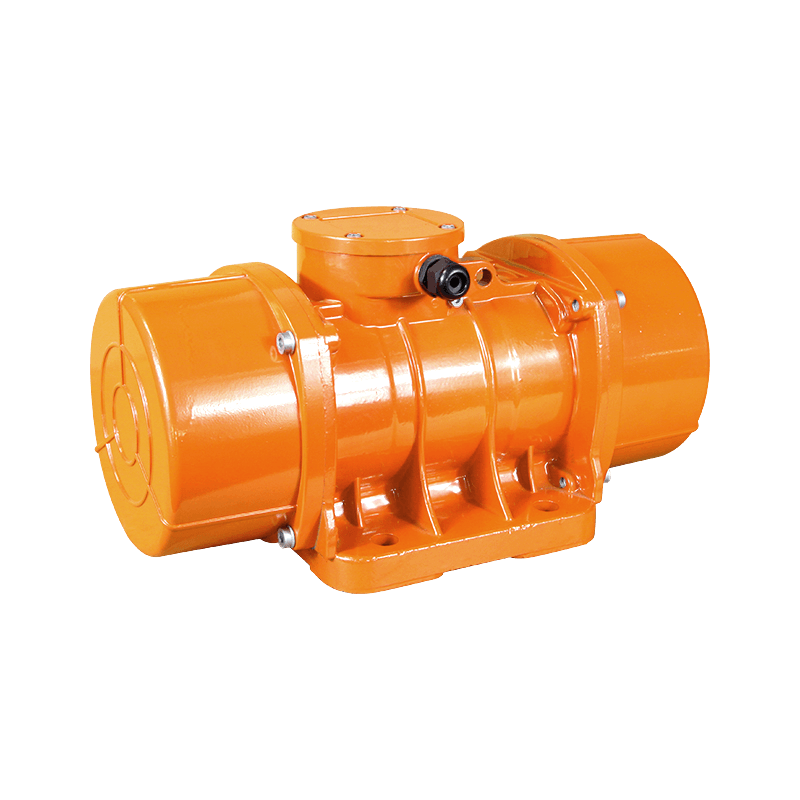
The design and engineering of a modern electric vibrator motor emphasize reliability, controllability, and energy efficiency. Manufacturers focus on durable construction with sealed housings to protect internal components from dust and moisture in harsh environments. For applications requiring precise control, many electric vibrator motors are now paired with electronic speed controllers. This allows users to finely adjust the vibration intensity, transforming a simple on/off device into a tunable tool. Advancements in magnetic materials and bearing technology also contribute to a longer operational life and quieter performance for the electric vibrator motor.
As automation and the demand for precise mechanical actuation continue to grow, the role of the electric vibrator motor becomes increasingly significant. Its ability to provide a simple, reliable, and controllable source of vibrational energy makes it a versatile solution for challenges involving material flow, compacting, finishing, and targeted stimulation. From ensuring efficiency on a factory floor to enhancing personal well-being, the electric vibrator motor demonstrates how a focused technological component can have a widespread and meaningful impact across diverse fields.


 Tel: + 86-576-86320988
 Fax: + 86-576-86333217
 E-mail:
  Add: Dayangcheng Industrial Zone, daxi, wenling, zhejiang, china
