

 英语
英语 葡萄牙语
葡萄牙语 西班牙语
西班牙语 русский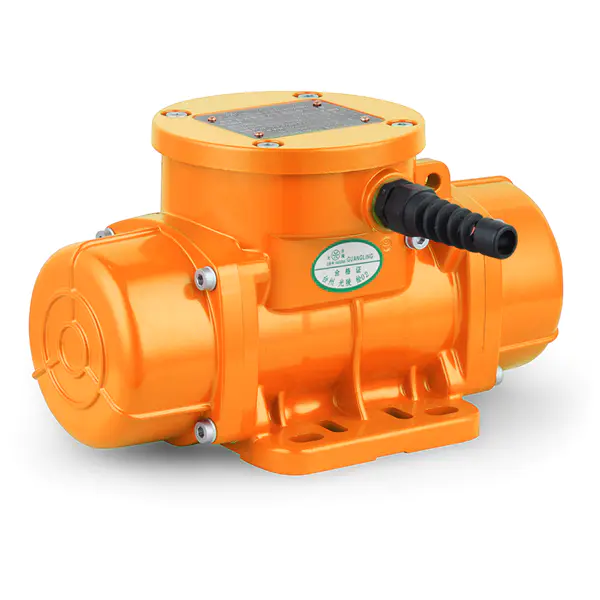
The compact and versatile vibration motor is an unseen yet integral component powering functionality across a remarkable range of modern devices and industrial systems. This small actuator, designed to convert electrical energy into oscillating mechanical motion, is fundamental to user interface alerts, material handling processes, and numerous automated mechanisms. The widespread application and evolution of the vibration motor underscore its importance in both consumer electronics and industrial engineering.
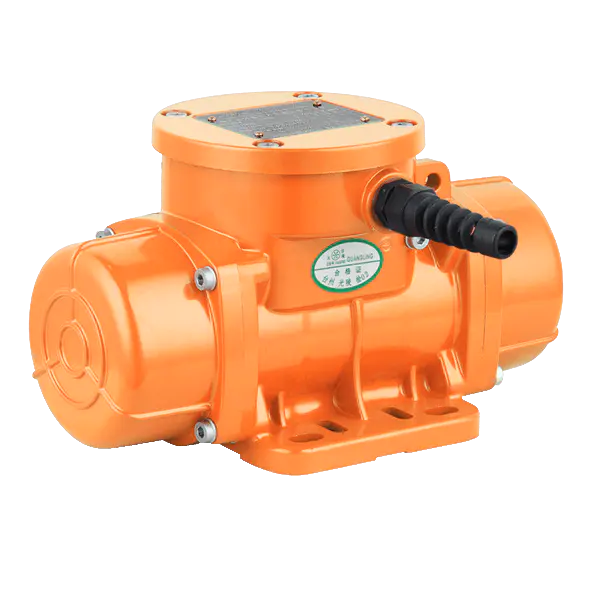
At its core, the operation of a vibration motor relies on generating an unbalanced force. lots of commonly, this involves a small electric motor rotating an eccentric mass, often a weighted disk. As this mass spins, its off-center weight creates centrifugal force, resulting in perceptible vibrations. The frequency and intensity of the vibration motor's output can be tailored by adjusting the mass, its offset, and the rotational speed. This simple, effective principle allows the vibration motor to serve as a reliable tactile feedback mechanism or a source of controlled mechanical agitation.
In the realm of consumer electronics, the vibration motor is a key contributor to the user experience. It provides silent, tactile notifications in smartphones, smartwatches, and gaming controllers. This discreet haptic feedback from a vibration motor confirms touchscreen inputs, signals incoming calls or messages, and enhances immersion in interactive media. The miniaturization and refinement of the vibration motor have been critical to the design of sleek, portable devices, enabling features like nuanced haptic responses that simulate the feel of a button click or a specific texture.
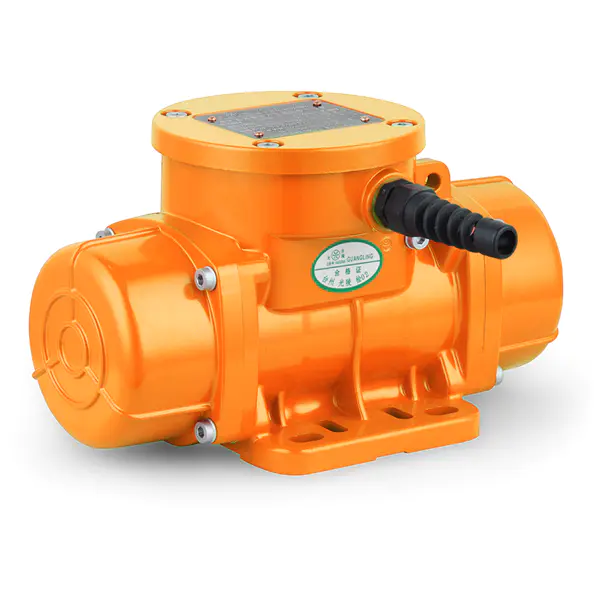
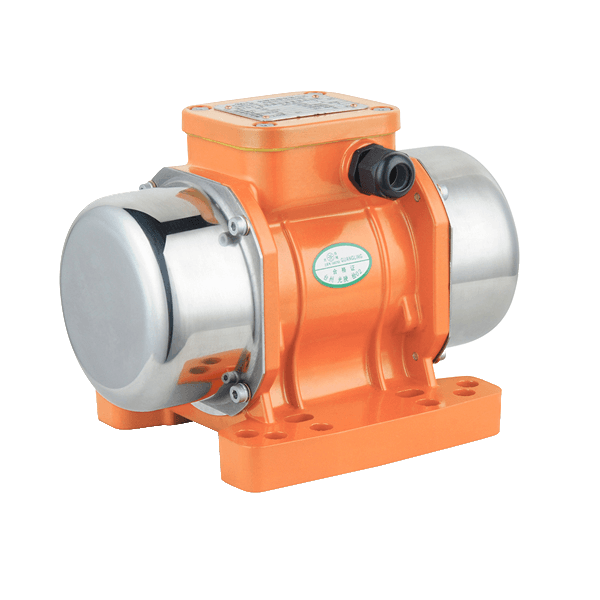
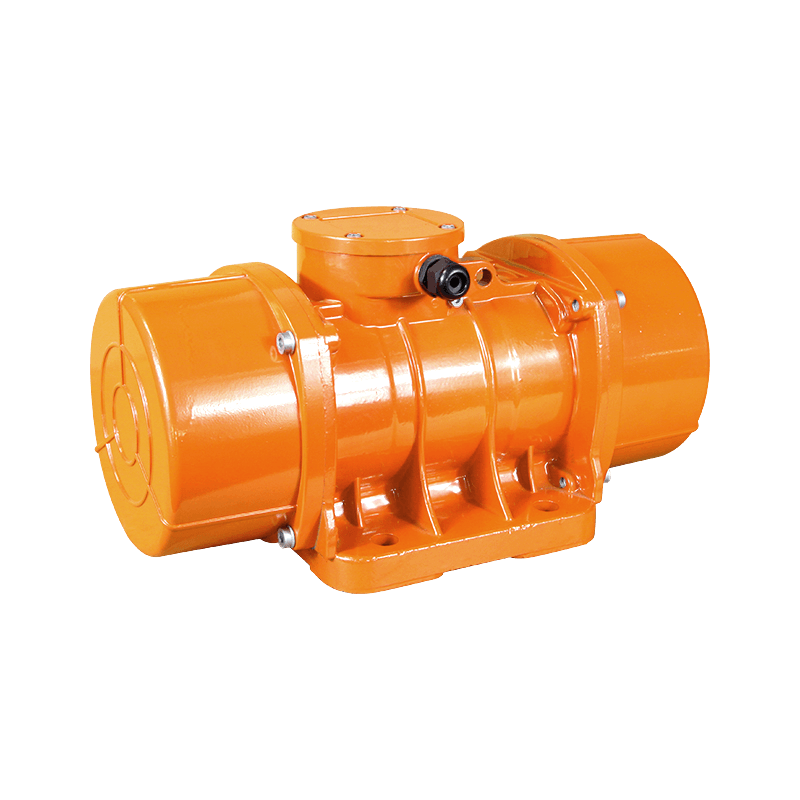
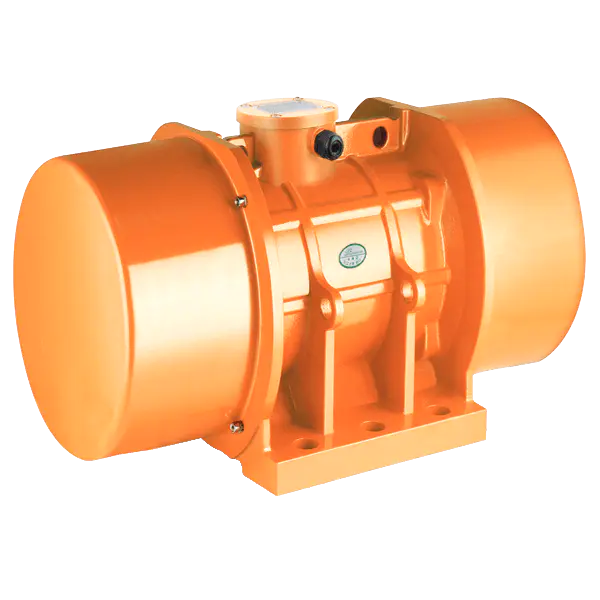
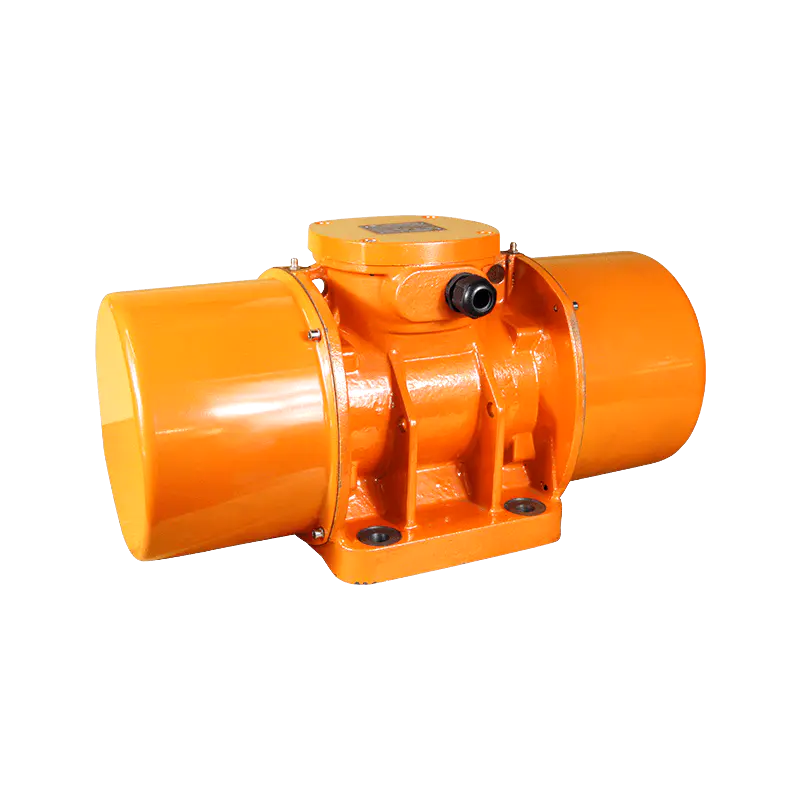
Beyond personal devices, the vibration motor plays a substantial role in industrial and commercial equipment. It is the driving component in many types of vibratory feeders, conveyors, and sorting screens used in manufacturing, food processing, and packaging. Here, the vibration motor is valued for its ability to move, sort, or compact materials reliably and efficiently. In construction, a heavy-duty vibration motor is essential for consolidating concrete in forms. The consistent, forceful output of an industrial-grade vibration motor helps ensure material flow, product quality, and structural integrity in demanding environments.
The design and manufacturing of a vibration motor prioritize durability and precise performance. Factors like bearing quality, magnetic circuit efficiency, and rotor balance are meticulously engineered. For motors in portable electronics, the focus is on small size, low power consumption, and quiet operation. For industrial applications, the vibration motor is built with robust housings and components capable of withstanding continuous operation, dust, moisture, and significant mechanical stress. This engineering focus ensures the vibration motor meets the specific reliability requirements of its intended application.
Current trends in vibration motor technology involve greater control and integration. The shift from traditional eccentric rotating mass (ERM) motors to linear resonant actuators (LRAs) in premium electronics allows for faster, more precise, and more varied haptic effects. Furthermore, integration with advanced control circuits enables the vibration motor to produce complex patterns of feedback. In industrial settings, pairing a vibration motor with variable frequency drives allows operators to fine-tune vibratory action for different materials or processes, optimizing efficiency and outcomes.
The vibration motor is set to evolve alongside the growth of the Internet of Things (IoT), wearable technology, and advanced automation. Future applications may include more sophisticated haptic interfaces for virtual reality or remote operation, and smarter industrial systems where the vibration motor's operation is continuously monitored and adjusted by artificial intelligence for peak performance.


 Tel: + 86-576-86320988
 Fax: + 86-576-86333217
 E-mail:
  Add: Dayangcheng Industrial Zone, daxi, wenling, zhejiang, china
