

 英语
英语 葡萄牙语
葡萄牙语 西班牙语
西班牙语 русский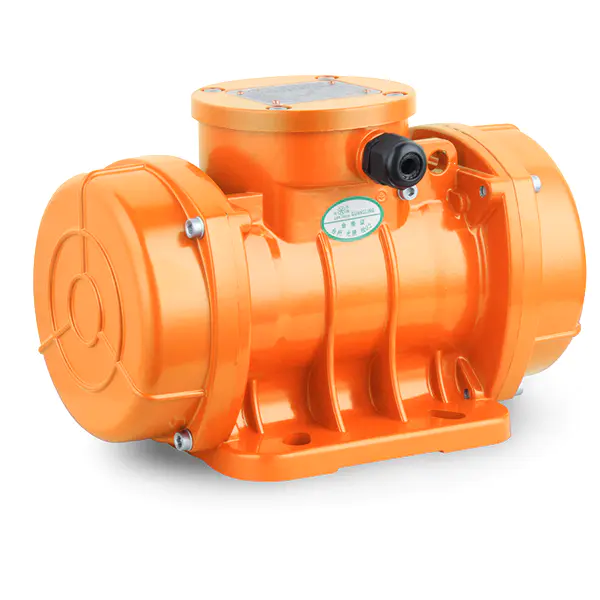
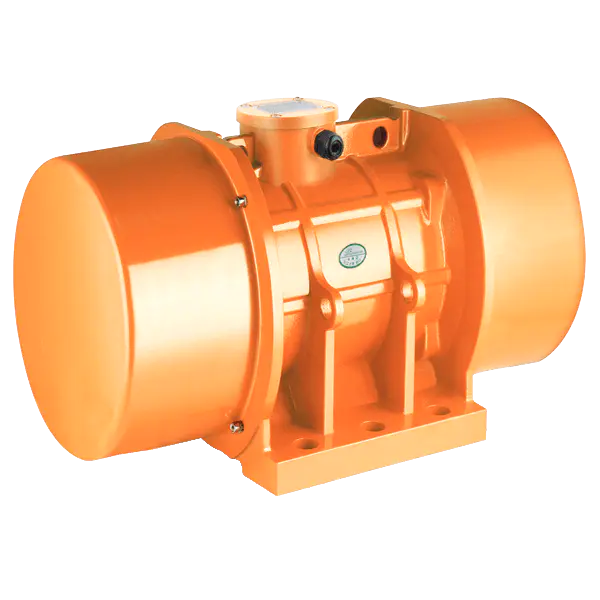
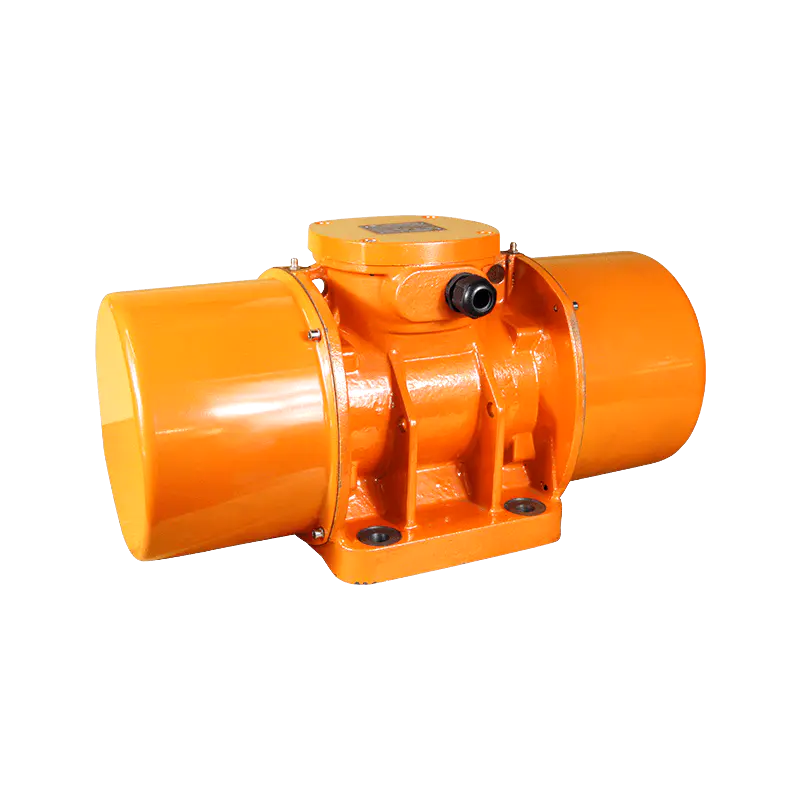
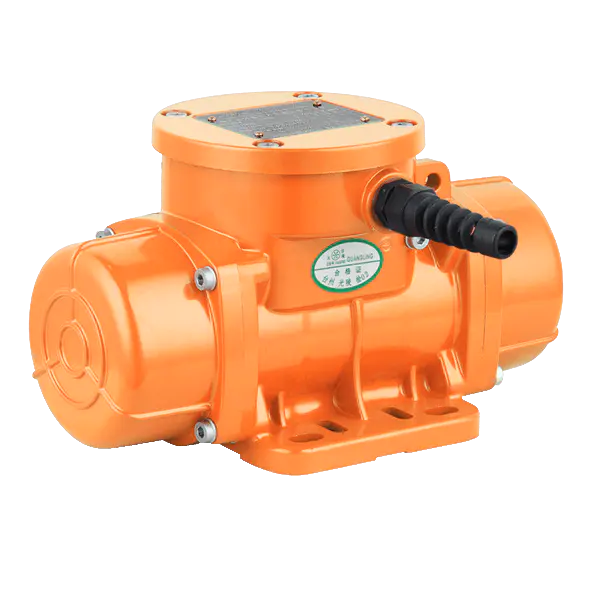
Across the spectrum of manufacturing, material handling, and processing industries, a compact yet powerful component is essential for driving efficiency: the industrial vibration motor. This specialized motor, designed to generate controlled mechanical oscillations, is a critical element in systems that sort, screen, convey, compact, and feed a vast range of materials. The reliable operation of an industrial vibration motor directly influences production rates, product quality, and the smooth flow of goods in sectors from mining and food processing to recycling and pharmaceutical manufacturing.
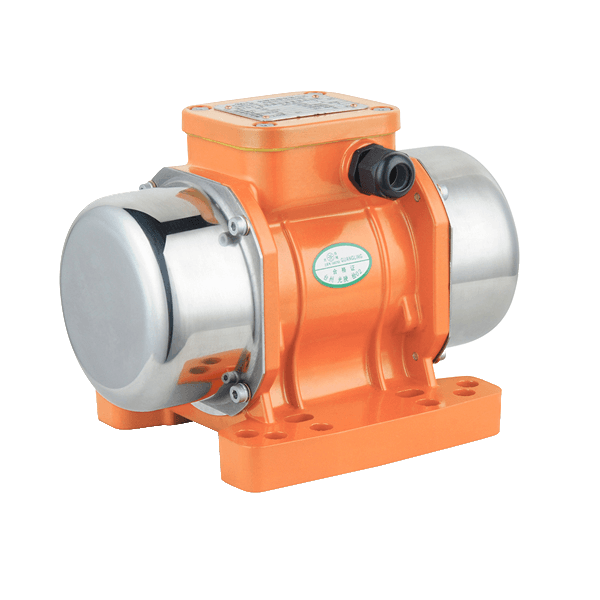
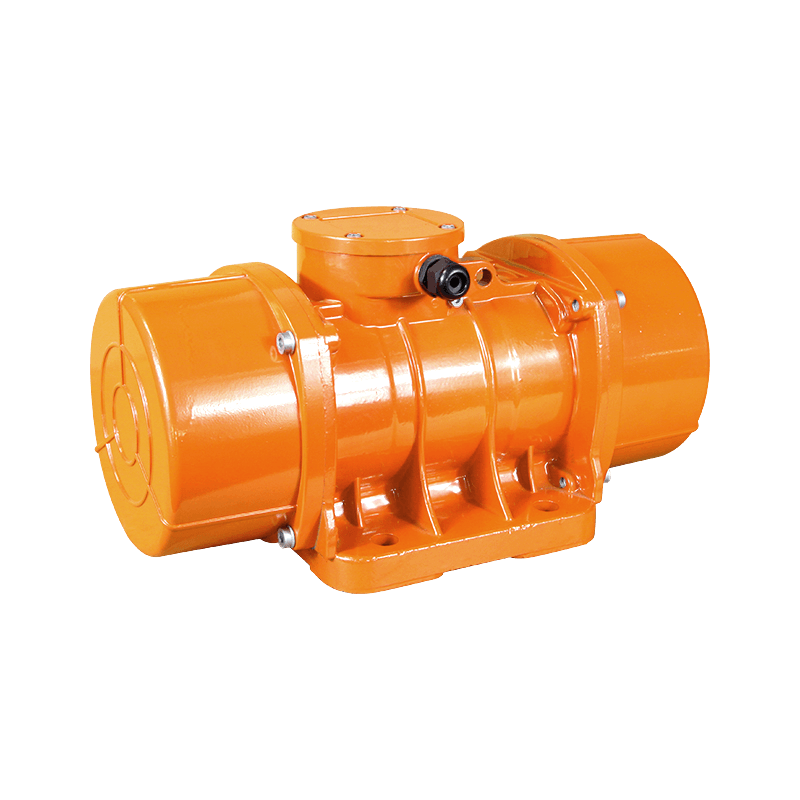
The core function of an industrial vibration motor is to convert electrical energy into precise, directional vibratory force. Typically constructed with an eccentric weight mounted on its rotor shaft, the rotation of this weight creates a centrifugal force. This force produces the vibration that is transferred to the attached equipment, such as a screening deck, a conveyor trough, or a hopper. The design parameters of an industrial vibration motor, including the size and positioning of the eccentric weights, determine the amplitude and frequency of the vibration. This allows engineers to select or tune an industrial vibration motor to achieve specific material behavior, whether that is fluidizing powders for transport, segregating particles by size on a screen, or ensuring consistent packing in a mold.
The application of an industrial vibration motor is remarkably wide. In bulk material handling, these motors drive vibrating feeders and conveyors, moving everything from aggregates and grains to chemicals and plastics in a controlled, steady stream. In sorting and separation, screens and sieves powered by an industrial vibration motor efficiently grade materials. In construction, an industrial vibration motor is integral to concrete compaction equipment, removing air bubbles to ensure structural integrity.
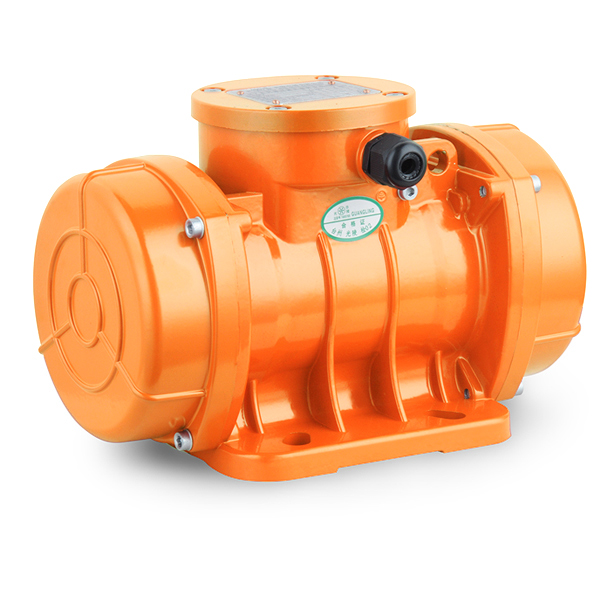
Durability and reliability are non-negotiable for an industrial vibration motor, given the demanding environments in which they operate. Manufacturers prioritize robust construction, featuring high-grade cast iron or steel housings, heavy-duty bearings designed to withstand continuous radial forces, and effective sealing to protect internal components from dust, moisture, and other contaminants. The thermal management of an industrial vibration motor is also critical, as continuous operation under load generates heat. Proper motor design and correct installation are essential to maintain performance and extend the service life of an industrial vibration motor, small downtime in continuous production processes.
The evolution of the industrial vibration motor is closely tied to advances in control and energy efficiency. Modern systems often pair an industrial vibration motor with variable frequency drives (VFDs). This pairing allows operators to precisely adjust the vibration frequency and amplitude in real-time, optimizing the process for different materials or production requirements without physically modifying the motor. This level of control enhances process flexibility and can cause significant energy savings, as the industrial vibration motor operates only at the necessary power level.
The integration of smarter monitoring systems represents a key development for the industrial vibration motor. Sensors can track parameters like bearing temperature, vibration amplitude consistency, and overall motor health. This data enables predictive maintenance, allowing issues to be addressed before they cause motor failure and unplanned production stoppages. As industries worldwide continue to automate and seek greater precision in material processing, the industrial vibration motor will remain an indispensable workhorse. Its ongoing development towards greater robustness, efficiency, and connectivity ensures its continued role as a fundamental driver of productivity and innovation in industrial settings.


 Tel: + 86-576-86320988
 Fax: + 86-576-86333217
 E-mail:
  Add: Dayangcheng Industrial Zone, daxi, wenling, zhejiang, china
