

 英语
英语 葡萄牙语
葡萄牙语 西班牙语
西班牙语 русский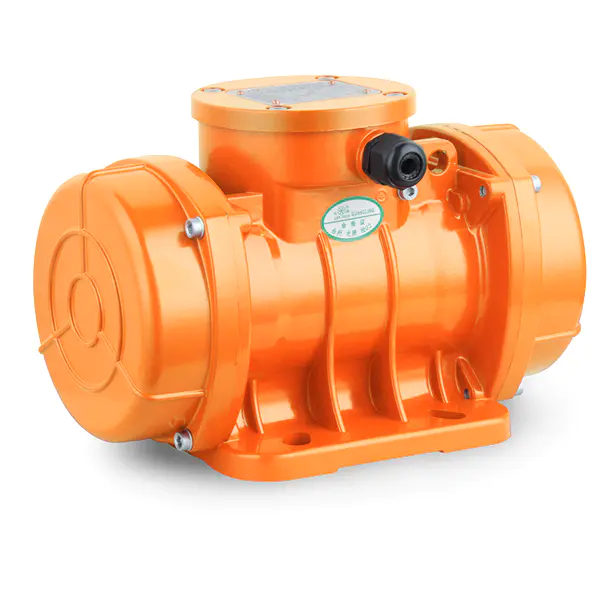
The global construction equipment sector is placing increased emphasis on the concrete vibrator motor as infrastructure projects demand higher standards of concrete consolidation and structural integrity. A concrete vibrator motor powers immersion, surface, and form vibrators that remove trapped air bubbles from freshly placed concrete, directly influencing compressive strength and long-term durability. Industry estimates indicate that improperly consolidated concrete can lose up to 30 percent of its designed compressive strength, making effective vibration a structural necessity. The concrete vibrator motor market has evolved into a technically diverse category where motor type, power output, and vibration frequency are matched to specific pour conditions and project scales.
What Product Categories and Classifications Define the Market?
The concrete vibrator motor category divides primarily by power source, with electric, pneumatic, and gasoline-driven units each occupying distinct segments. Electric motors command roughly 65 percent of global volume, favored for consistent speed control, lower noise, and suitability for enclosed construction environments. Within the electric segment, high-frequency motors operating at 10,000 to 12,000 vibrations per minute have gained approximately 35 percent of electric sales, as higher consolidation efficiency allows faster pour rates and reduced labor time. Pneumatic concrete vibrator motors hold approximately 20 percent market share, selected for hazardous environments where electrical spark risk must be eliminated and for remote sites lacking reliable grid power. Gasoline-powered units account for the remaining 15 percent, serving bridge deck pours, remote foundation work, and large-scale civil projects where mobility is paramount. Portable backpack-style units with lightweight engine-driven motors have expanded accessibility for smaller contractors and repair applications.
What Technical Parameters Guide Selection and Sizing?
Selection begins with matching vibration frequency and centrifugal force to the concrete mix design and form geometry. High-frequency motors generating 10,000 to 14,000 vibrations per minute are specified for low-slump concrete and congested reinforcement areas, where the shorter wavelength improves air bubble migration through tight rebar grids. Standard-frequency motors operating at 3,000 to 8,000 vibrations per minute remain the default for general slab and wall construction. Centrifugal force output typically ranges from 500 to 2,500 kilograms-force for immersion heads between 25 and 75 millimeters in diameter. Motor power ratings span from 0.75 kilowatts for handheld units to 5.5 kilowatts for gang-mounted form vibrators in precast plants. The radius of influence increases with head diameter, with a 50-millimeter head achieving 300 to 450 millimeters of effective consolidation. Power source selection balances electrical infrastructure availability against mobility requirements, with three-phase motors providing higher efficiency for stationary applications and single-phase units offering flexibility for smaller projects.
Where Do Application Scenarios and Construction Practices Converge?
Deployment varies significantly across construction typologies, with each scenario demanding specific equipment configurations and operator techniques. In slab-on-grade work, surface vibrators compact concrete across large horizontal areas, achieving consolidation depths of 150 to 200 millimeters for warehouse floors and pavement. For reinforced columns and walls, immersion vibrators driven by flexible shafts connected to portable motors are inserted vertically at intervals of 300 to 450 millimeters, with extraction rates held to 75 millimeters per second to prevent void formation. Precast concrete plants employ form vibrators mounted directly to mold exteriors, with multiple motors synchronized to apply uniform consolidation. Mass concrete pours for dams and bridge piers utilize gangs of six to eight immersion vibrators powered by high-output electric or gasoline motors. Operator technique directly affects results, with research indicating systematic insertion patterns achieve 98 percent air removal compared to approximately 85 percent for random approaches. Post-consolidation testing using core samples and ultrasonic pulse velocity verifies that the specified concrete vibrator motor achieved the design density.
The concrete vibrator motor occupies a position of quiet technical importance within construction, its performance directly linked to structural longevity and surface quality. As construction timelines compress and concrete mixes incorporate increasingly complex admixtures, the precision with which vibration equipment is specified and operated becomes ever more critical. The concrete vibrator motor that matches power source, frequency, and amplitude to the specific demands of the pour contributes measurably to the durability of the built environment.
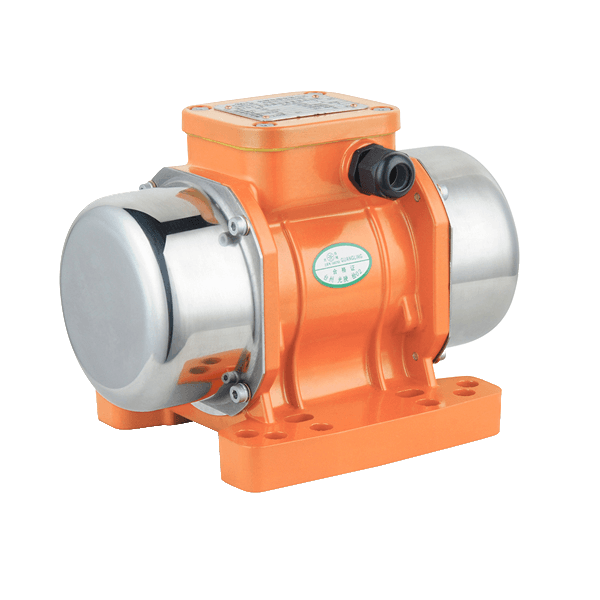
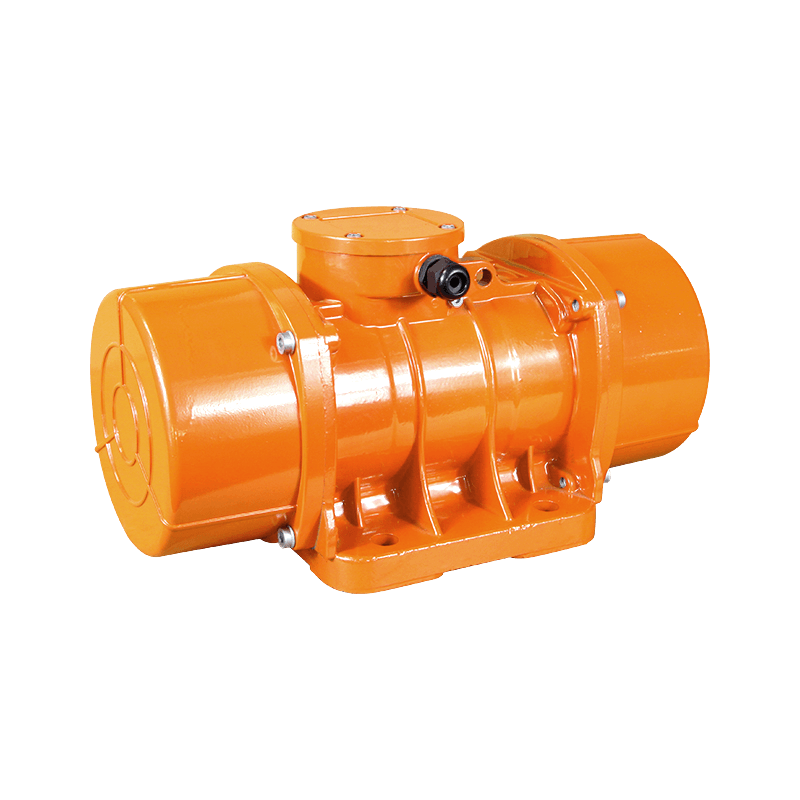
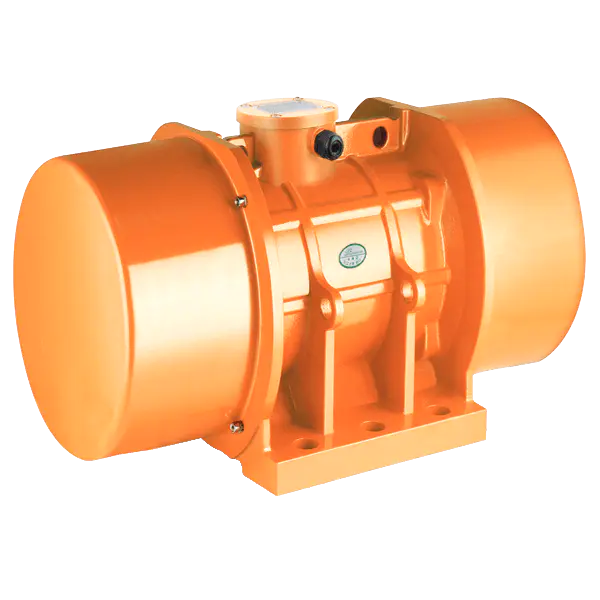
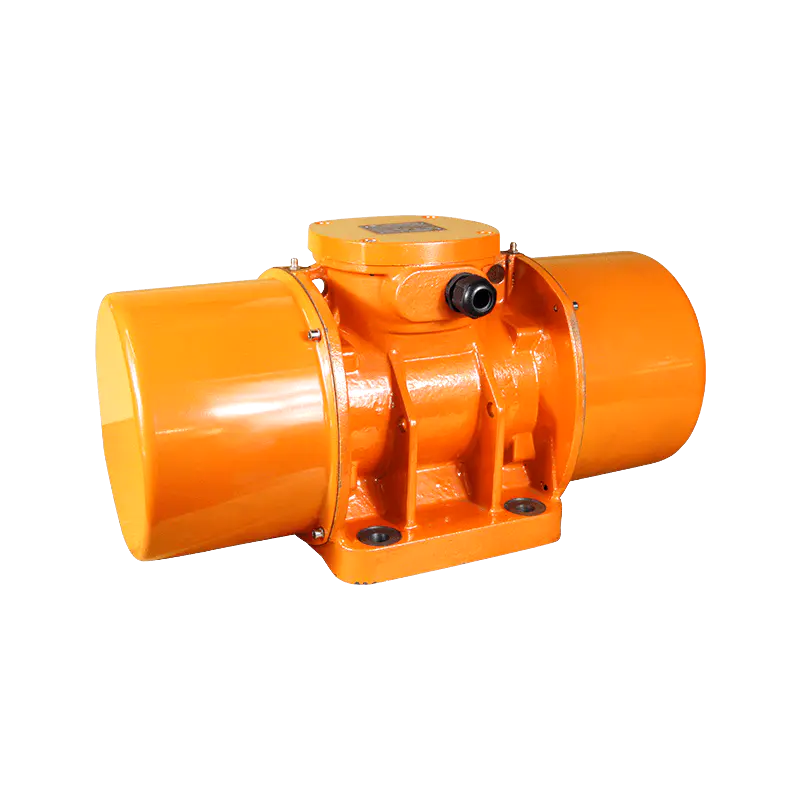
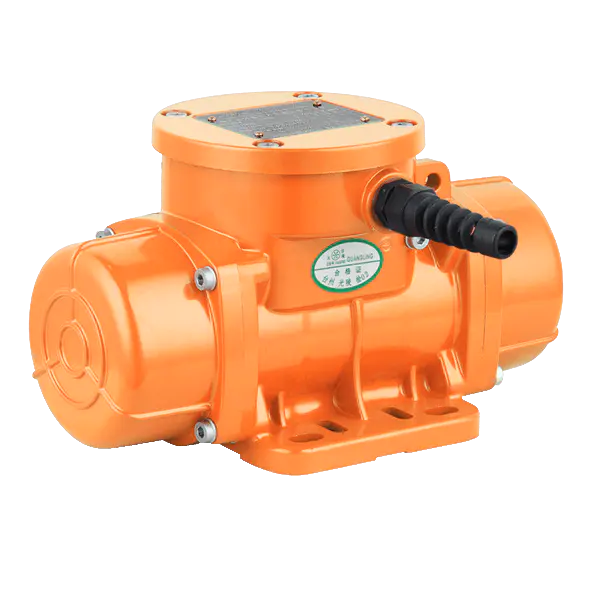
For reliable industrial vibration, we recommend the Single Phase (220V) 2 Poles 3000rpm 50Hz C Series from Zhejiang Guangling Vibrating Technology Co., Ltd. This vibrator motor delivers consistent 3000rpm output at 50Hz, making it ideal for vibrating tables, screen separators, and material handling equipment. The single-phase 220V design allows easy connection in workshops without three-phase power. Its two-pole construction provides balanced vibration force, while the sealed housing protects against dust and moisture. Compact and low-maintenance, this motor enhances bulk material flow and prevents clogging in hoppers. superb for food processing, mining, or recycling applications. Choose Guangling for efficient, durable vibration technology.


 Tel: + 86-576-86320988
 Fax: + 86-576-86333217
 E-mail:
  Add: Dayangcheng Industrial Zone, daxi, wenling, zhejiang, china
