

 英语
英语 葡萄牙语
葡萄牙语 西班牙语
西班牙语 русский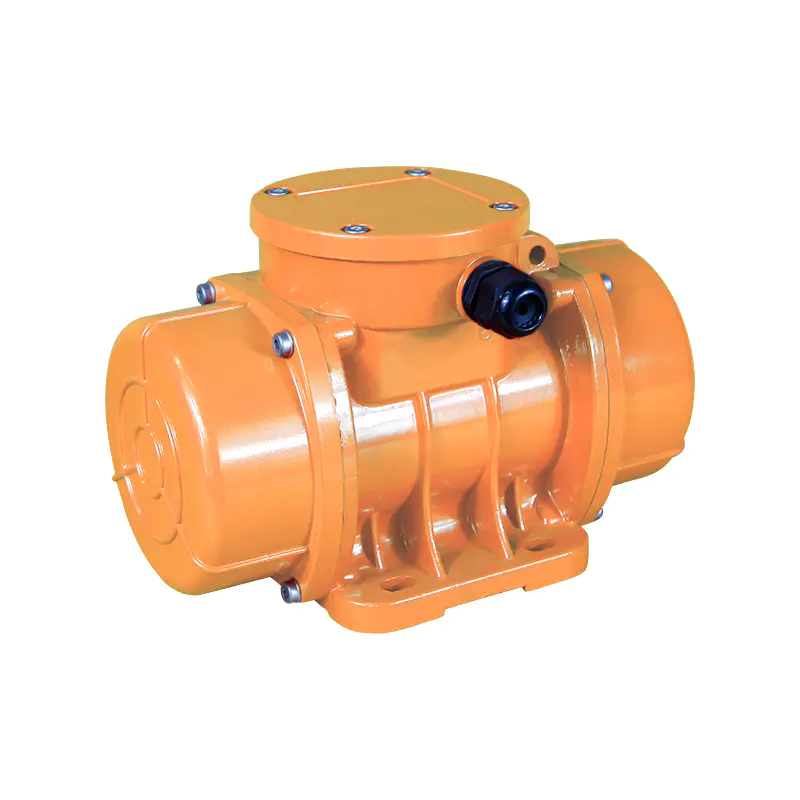
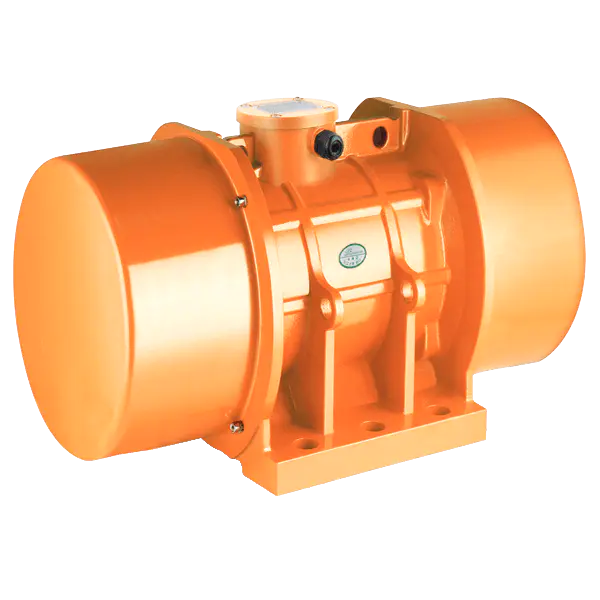
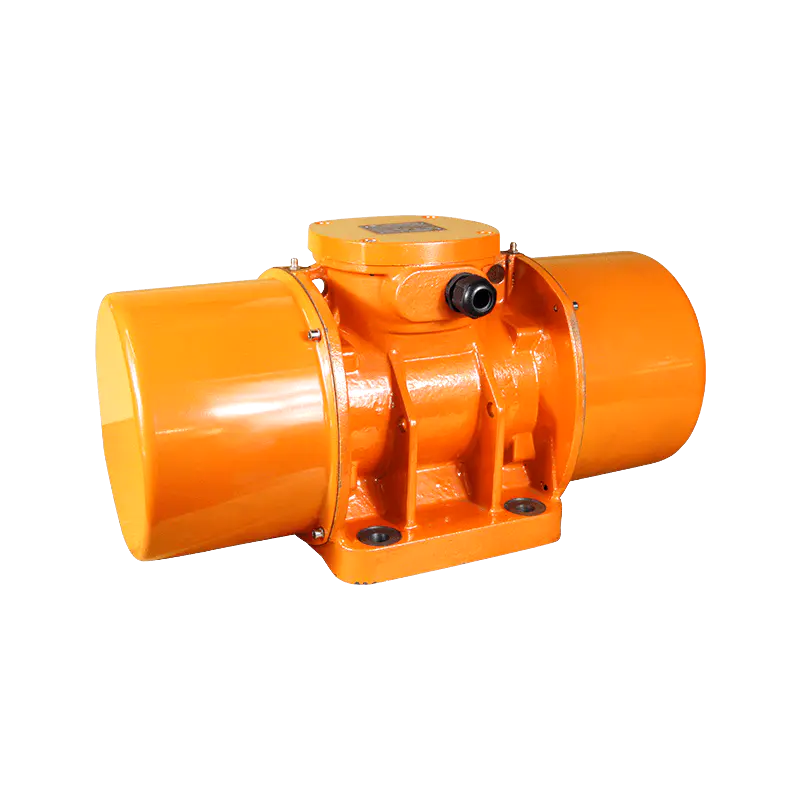
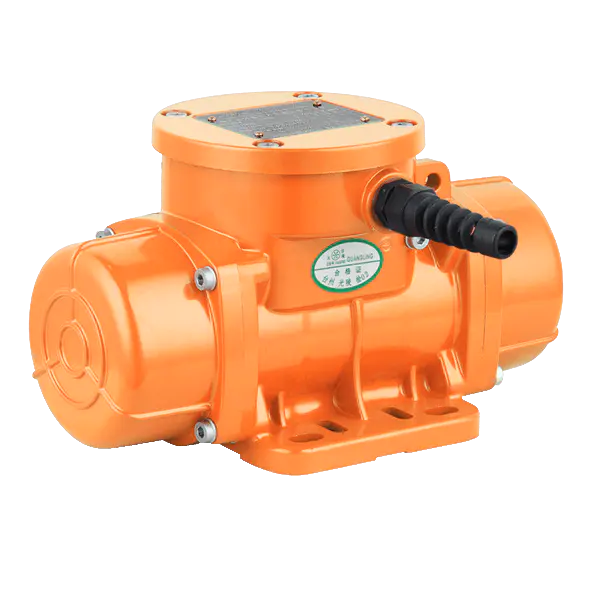
The industrial vibrating motor has become an essential component in material handling across multiple sectors. Mining operations, food processing plants, recycling facilities, and construction sites all depend on the industrial vibrating motor to move, separate, and compact granular products. Unlike standard electric motors that simply rotate a shaft, the industrial vibrating motor generates linear or circular motion through unbalanced weights attached to both ends of the rotor. This vibration is then transferred to screens, feeders, or conveyors that require consistent shaking. A properly specified industrial vibrating motor can keep material flowing evenly without the jams that often occur with static equipment.
The internal design of an industrial vibrating motor includes several features that suit it for continuous operation under demanding conditions. Heavy-duty bearings within the industrial vibrating motor are typically rated for higher loads than those found in general-purpose motors. These bearings must withstand both radial forces from the rotating weights and the constant shaking of the housing itself. The casing of an industrial vibrating motor is often sealed against dust and moisture ingress, with special attention given to the cable entry point where vibration could cause wire fatigue over time. Some versions of the industrial vibrating motor include encapsulated windings that resist damage from prolonged vibration exposure.
Users can adjust the output force of an industrial vibrating motor by changing the angular position of the eccentric weights on the shaft ends. This adjustability allows a single industrial vibrating motor model to serve different applications by simply moving the weights. When the weights are aligned, the industrial vibrating motor produces big force. When they are offset, the force decreases. This range of adjustment gives engineers flexibility when designing equipment around an industrial vibrating motor. For sticky or cohesive materials, a higher force industrial vibrating motor may be required to maintain flow, while fragile products may call for a gentler unit with lower amplitude.
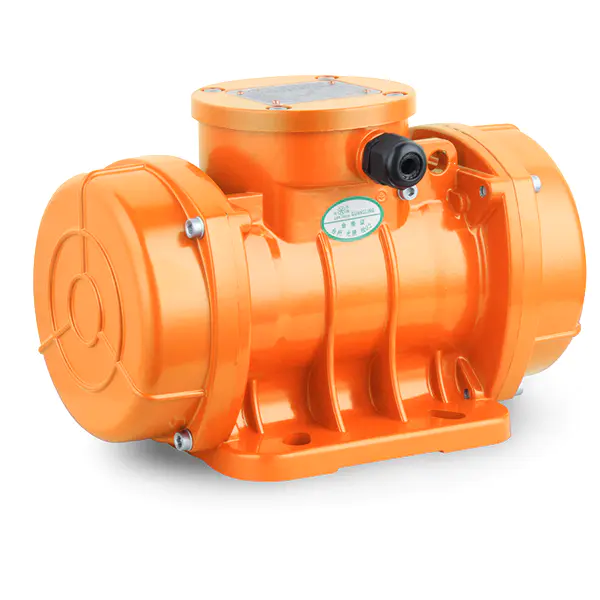
Installation practices for the industrial vibrating motor significantly affect both performance and service life. The mounting surface must be flat and rigid to transmit vibration efficiently without creating stress points that concentrate forces. An industrial vibrating motor that is loosely mounted will waste energy through movement of the base plate rather than transferring vibration to the intended equipment. Electrical connections to the industrial vibrating motor should include flexible conduit to prevent wire fatigue from constant shaking during operation. Many plants keep spare industrial vibrating motor units on hand because a failure at a critical location can stop an entire production line.
Routine maintenance of the industrial vibrating motor primarily involves periodic regreasing of bearings and checking mounting bolts for tightness. Loose bolts can cause equipment damage or unsafe operating conditions. The lubrication schedule for an industrial vibrating motor depends on operating hours and environmental conditions. High-temperature environments may require more frequent regreasing or special high-temperature grease. Some industrial vibrating motor models offer sealed bearings that do not require regular lubrication, which reduces maintenance needs for hard-to-reach installations.
When correctly specified, installed, and maintained, an industrial vibrating motor provides years of reliable service with small attention. For operations that handle sand, gravel, crushed stone, or recycled materials, the industrial vibrating motor plays a central role in maintaining production continuity. As bulk handling operations continue to modernize, the industrial vibrating motor remains a practical and dependable choice for keeping materials moving efficiently across heavy industries. Its combination of adjustable force, durable construction, and relatively low maintenance requirements has secured its place in factories and processing plants worldwide.


 Tel: + 86-576-86320988
 Fax: + 86-576-86333217
 E-mail:
  Add: Dayangcheng Industrial Zone, daxi, wenling, zhejiang, china
