

 英语
英语 葡萄牙语
葡萄牙语 西班牙语
西班牙语 русский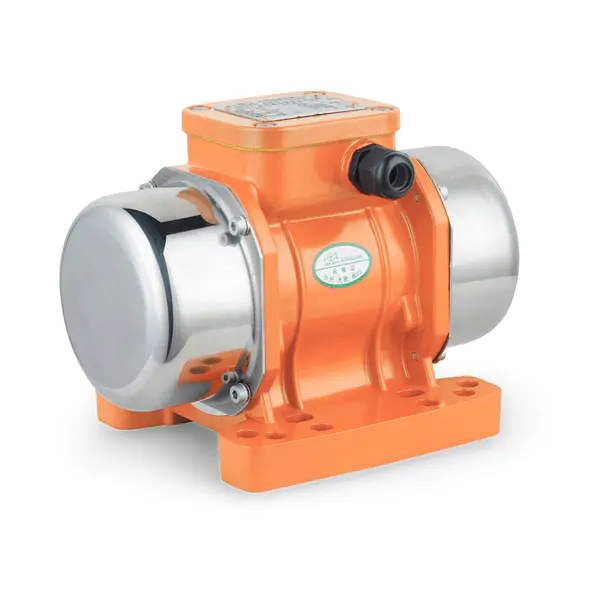
Installation Planning Starts Before Motor Selection
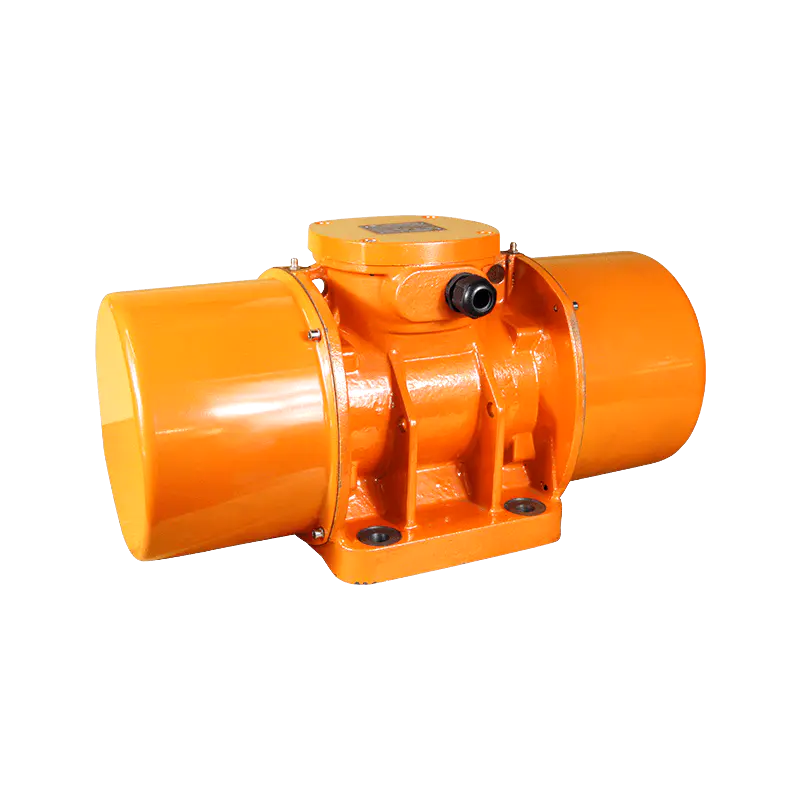
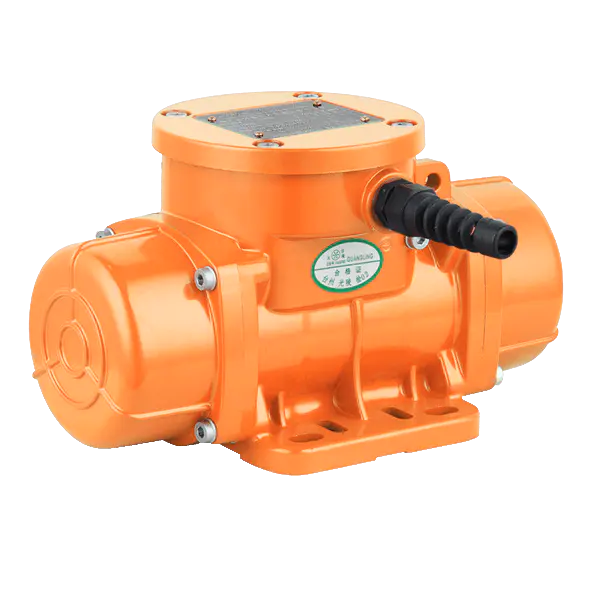
A DC Vibrator Motor is often selected as one component within a larger machine or equipment assembly. Its role depends on how vibration needs to reach the working surface, container, or mechanism. For equipment designers, the installation arrangement deserves attention early because mounting position and surrounding structure influence how vibration travels through the system.
Guangling’s product range includes a direct-current series within its industrial vibration motor offerings. The available product page identifies the series but does not provide a complete set of model-level dimensions or performance values in the page text reviewed. Specific operating limits should therefore be confirmed from the relevant model documentation rather than assumed across the entire series.
Planning can begin with the equipment layout: where the motor will sit, which structure it will excite, and how technicians will reach it for inspection. These details help define the space and mechanical interfaces required for the DC Vibrator Motor.
Mounting Arrangement Connects the Motor to the Machine
A vibration motor transfers mechanical force to the structure where it is installed. The mounting surface and connection points form part of that transfer path. If the supporting structure changes, the vibration experienced by the equipment may also change. For this reason, vibration motor mounting should be considered alongside the machine frame, mounting hardware, and intended operating task.
The installation drawing should identify the motor location and its relationship to nearby components. Clearance for wiring and access for maintenance also belong in the layout. These checks are useful for equipment such as feeders, screens, and other machinery that uses vibration to move or settle material, although the specific motor model must match the machine’s requirements.
A DC Vibrator Motor should not be treated as a component that can be positioned anywhere on a frame without reviewing the mechanical arrangement. Mounting details need to follow the selected model’s documentation and the equipment manufacturer’s design requirements.
Electrical Connection Must Match the Equipment
Direct-current operation makes the power supply part of the equipment integration plan. The selected motor’s rated voltage, current demand, duty conditions, and control method should be checked against the available supply and control equipment. These details are model-specific and should not be inferred from the general term DC.
For a DC Vibrator Motor, the electrical drawing should identify the supply connection and any control components used in the machine. Wiring routes should also account for movement, vibration exposure, and access during service. Where a controller is included, its settings should be coordinated with the motor’s documented operating limits.
The product page identifies Guangling’s direct-current series, but the available page text does not establish a universal voltage or control range for all models. Equipment designers should confirm these values for the exact model before finalizing the electrical specification.
Maintenance Access Is Part of the Layout
Vibration-producing equipment can place repeated mechanical loads on its supporting structure and connected components. Maintenance planning should therefore include access to the motor, mounting points, electrical connections, and surrounding frame. A layout that leaves no practical inspection space can complicate routine checks or replacement work.
The vibration motor mounting arrangement should be documented clearly so technicians can identify the installed position and the required connection points. The equipment record can also note the motor model, installation date, and any inspection findings. These details provide a reference when a machine’s operating condition changes or a component needs attention.
For a DC Vibrator Motor, maintenance instructions should follow the manufacturer’s model-specific guidance. General assumptions about lubrication, service intervals, or allowable operating conditions should not replace the supplied instructions.
Operating Records Help Track Changes
A machine’s vibration behavior depends on more than the motor alone. The material being handled, equipment loading, frame condition, and installation arrangement can all affect operation. Recording the machine’s normal operating conditions gives maintenance teams a reference for identifying changes over time.
Useful records may include the motor model, supply details, mounting location, equipment duty, and observed operating condition. If a motor is replaced, retaining the original model information helps confirm whether the replacement matches the intended specification.
This documentation also supports communication between equipment designers, production teams, and maintenance staff. A DC Vibrator Motor listed only by a broad product category may be difficult to identify later; a complete model designation and installation record provide a clearer reference.
Coordinate Component Data With the Finished Equipment
Guangling’s direct-current series sits within a wider industrial vibration motor product range. When evaluating a model for equipment integration, the product data should be reviewed alongside the machine’s mechanical and electrical requirements. Key details include rated electrical values, mounting dimensions, operating conditions, and the intended duty.
Clear vibration motor mounting information, model identification, and service access details help keep the motor specification connected to the finished machine. These considerations do not replace performance verification, but they make the integration process easier to document and review.
A DC Vibrator Motor is ultimately one part of an operating system. Its application depends on the match between the selected model, its installation, the power supply, and the equipment’s working conditions. Treating those elements as one design task gives engineering and maintenance teams a consistent basis for planning and later service.


 Tel: + 86-576-86320988
 Fax: + 86-576-86333217
 E-mail:
  Add: Dayangcheng Industrial Zone, daxi, wenling, zhejiang, china
