

 英语
英语 葡萄牙语
葡萄牙语 西班牙语
西班牙语 русский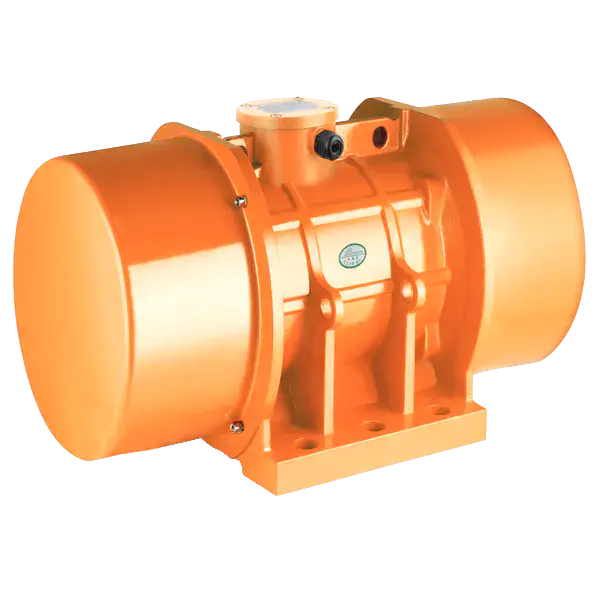
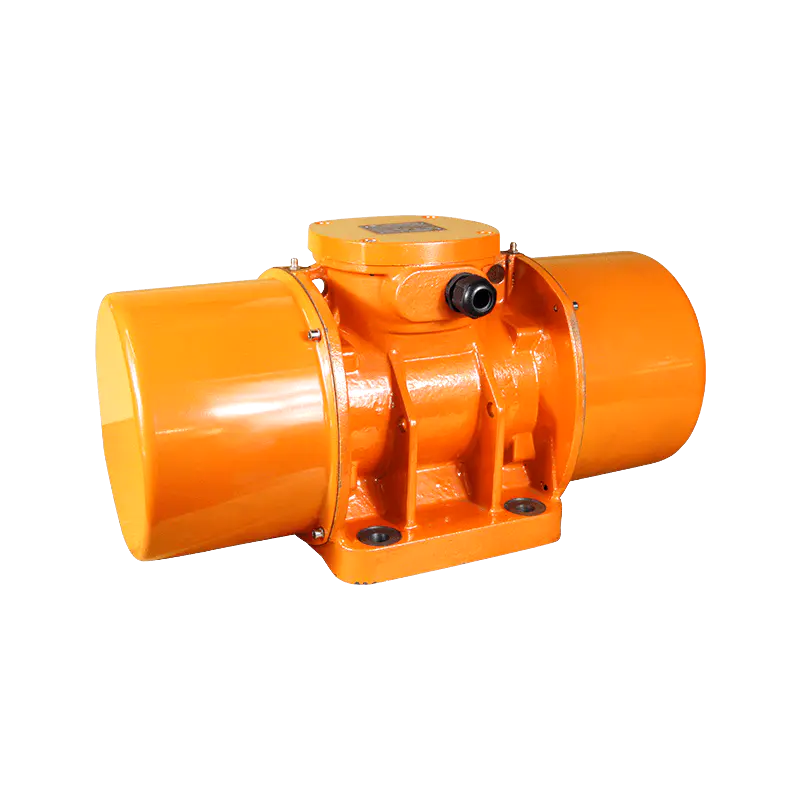
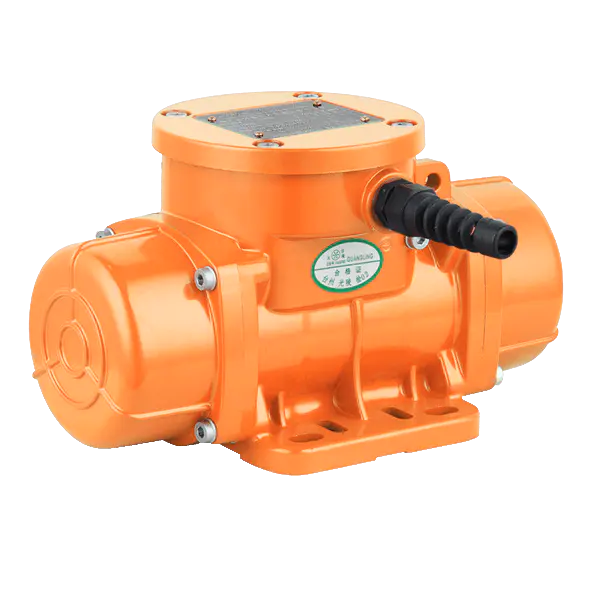
Two hoppers on the same production line can call for very different amounts of shake, even when both use the same electric vibrator motor body. A bin holding fine powder needs gentle, steady movement to keep material flowing without packing it against the walls. A bin holding coarse aggregate needs a stronger push to break up clumps and keep the material moving toward the outlet. One motor family covers both jobs through a feature built into the housing itself: the eccentric weight.
How the eccentric weight sets the output
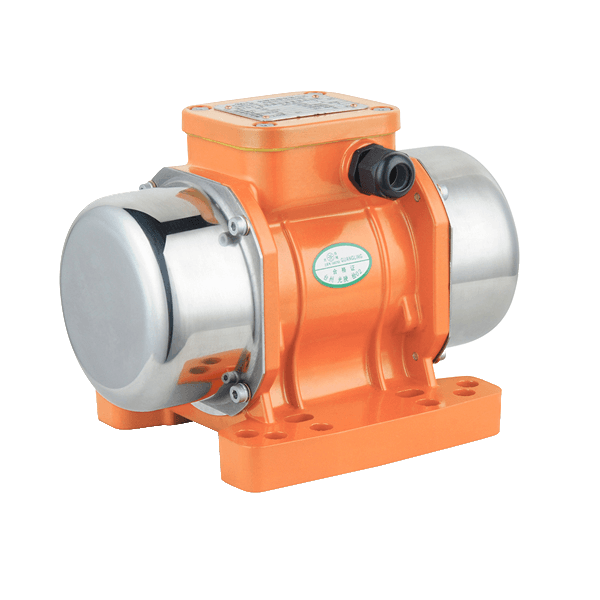
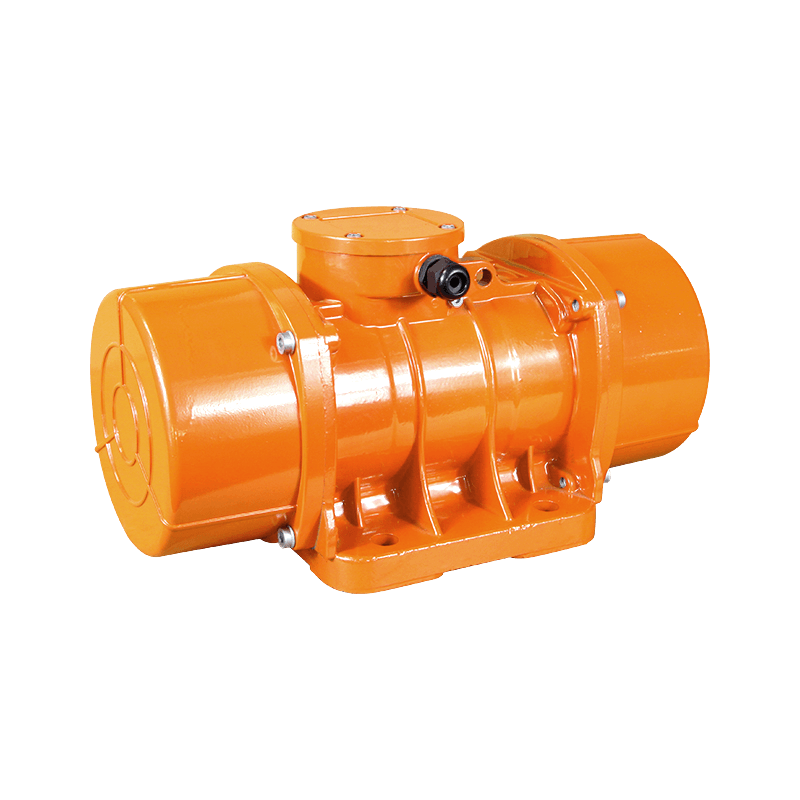
Inside an electric vibrator motor, weighted plates sit on shafts at each end of the rotor, offset from the centre of rotation. As the shaft spins, that offset weight creates a centrifugal force pulling outward, and the motor housing translates that force into the vibration the equipment relies on. The eccentric weight is not fixed at one setting on many electric vibrator motor models. It is built from a stack of adjustable plates that the operator can add to or remove from, changing the total offset mass and, with it, the strength of the vibration the motor produces.
This adjustability turns one motor body into several effective outputs. A technician setting up an electric vibrator motor for a new application does not need to order a different frame size for every force requirement within the motor's rated range. Instead, the weight plates are set to the amplitude the application calls for, and the same physical motor covers a range of duties simply by changing how much eccentric mass is bolted to each end of the shaft.
Reading the adjustment scale correctly
Weight plates are usually marked with degree settings, showing how far the movable portion of the plate is rotated relative to the fixed portion. At a low degree setting, the movable and fixed weights largely cancel each other's offset, producing a gentle vibration suited to fine or fragile material. At a higher degree setting, the movable weight adds to the fixed weight's offset, producing a stronger vibration suited to heavier or stickier material.
Adjusting an electric vibrator motor this way calls for matching the setting on both ends of the shaft, since an offset weight adjusted differently on each end can introduce an uneven vibration pattern rather than a clean, consistent one. Technicians setting up a new installation typically start at a mid-range setting, observe how the material responds, and step the eccentric weight up or down from there rather than guessing at the correct output from the specification sheet alone. This trial-and-adjust approach usually settles on a working setting within a few production runs, well before the motor has seen enough hours to justify a formal review.
Why this matters for equipment reuse
A plant running several different hoppers, screens or feeders across a facility benefits directly from this adjustability. Rather than stocking a separate motor model for every force requirement in the plant, a maintenance team can standardise on one or two frame sizes and adjust the eccentric weight setting to fit whichever piece of equipment the motor is installed on. This keeps spare parts simpler and lets a single electric vibrator motor move between applications as production needs shift.
Seasonal or product changes are a common reason for this kind of reuse. A facility processing a lighter material for part of the year and a heavier one for the rest can adjust the weight setting on its existing motors rather than swapping in different equipment, so the same electric vibrator motor installation serves both material types across the year without additional capital cost.
Specifying the right adjustment range
Buyers selecting an electric vibrator motor for a new installation should confirm the adjustment range the weight plates offer, since a wider range gives more flexibility if the application's material or throughput changes later. Listing the intended material, the desired amplitude range and the mounting orientation together helps a supplier confirm the motor's weight plate range will actually cover the application, rather than sitting at the extreme end of its adjustment from day one.
An electric vibrator motor with a well-documented weight adjustment range gives a buyer room to fine-tune the installation on site, rather than committing to a single fixed output before the equipment has even run its opening batch of material. That flexibility, built into the eccentric weight stack rather than into the motor's electrical rating, is what lets one product family serve such a wide span of vibrating equipment across a plant.


 Tel: + 86-576-86320988
 Fax: + 86-576-86333217
 E-mail:
  Add: Dayangcheng Industrial Zone, daxi, wenling, zhejiang, china
