

 英语
英语 葡萄牙语
葡萄牙语 西班牙语
西班牙语 русский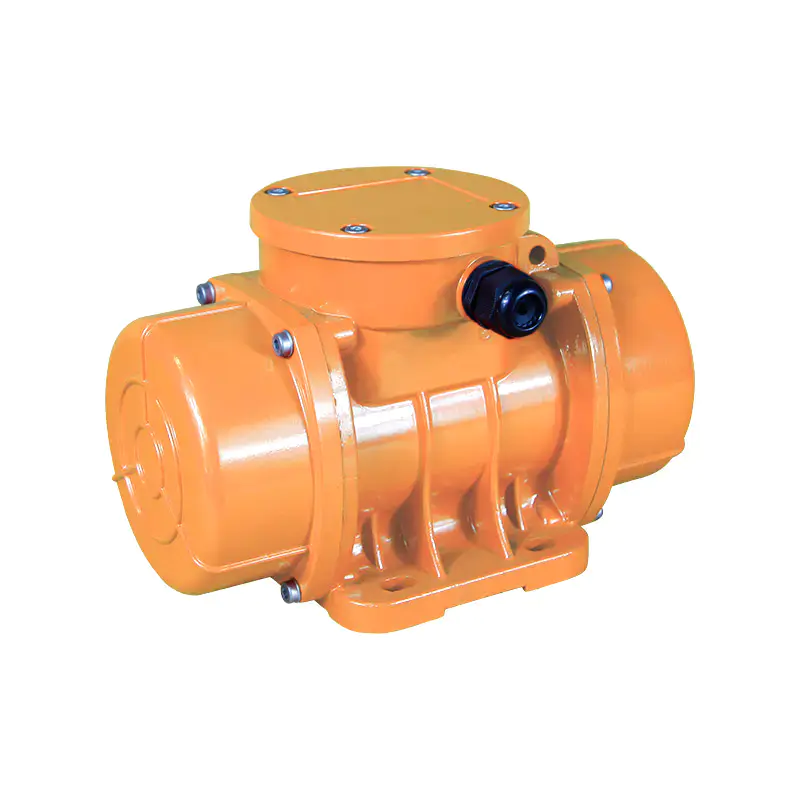
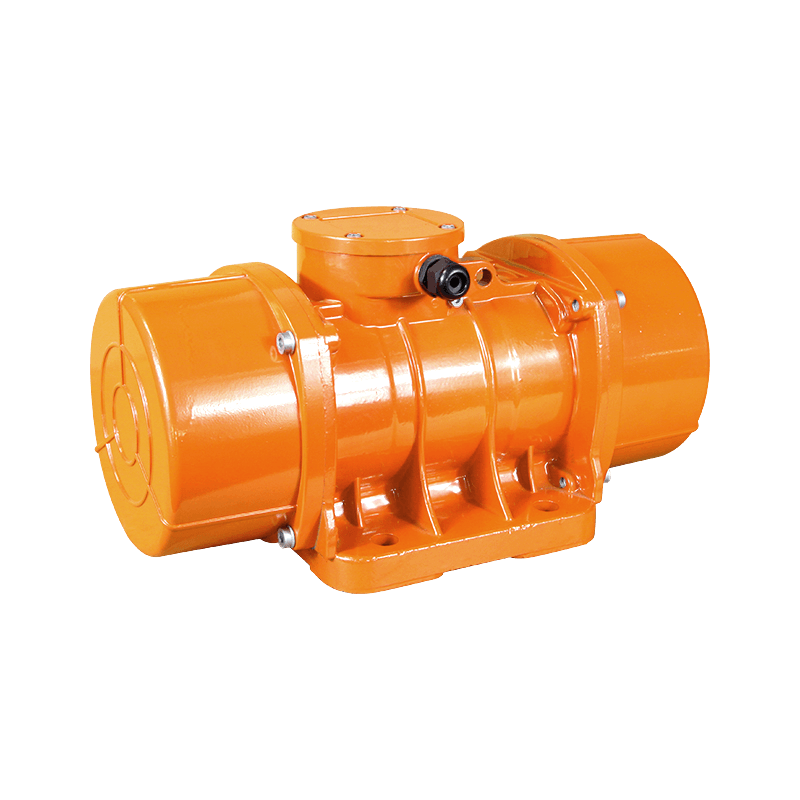
Mount two unconnected motors on the same rigid frame, start them independently with no shared electrical control, and something unexpected happens: their rotation gradually locks into step with each other purely through the mechanical vibration each one transmits into the shared structure. A vibrating motor 3 phase pair mounted this way on a screen or feeder doesn't need synchronized wiring to run in step, because the physics of the setup does that work on its own. This behavior surprises engineers encountering it in equipment design without prior exposure to it, since nothing about a standard vibrating motor 3 phase unit looks built for coordination with another motor beyond sharing the same mounting frame.
Self Synchronization Principle Explains Why No Wiring Is Needed
The self synchronization principle behind this behavior was documented in vibration engineering literature decades ago and remains the basis for how twin-motor linear vibrating equipment commonly operates today: two rotating eccentric masses mounted on a common vibrating frame naturally settle into either an in-phase or counter-phase rotation pattern, depending on the frame's geometry, because each motor's vibration slightly influences the other's rotational timing through the shared structure. A vibrating motor 3 phase installation relying on this effect eliminates the need for a mechanical linkage, gear coupling, or synchronized drive system between the two units, simplifying both the equipment design and the ongoing maintenance a coupled mechanical system would otherwise require.
Linear Vibrating Screen Motor Pairs Rely on Counter-Rotation
A linear vibrating screen motor setup typically mounts two 3-phase motors rotating in opposite directions, and this counter-rotation cancels the sideways vibration component from each motor while reinforcing the vertical and horizontal components in a single plane, producing the straight-line vibration pattern a linear screen needs to move material efficiently across its surface. Getting this counter-rotation and the resulting vibration pattern right depends on both motors carrying matched eccentric weight settings and comparable power characteristics — a meaningful mismatch between the two units can disrupt the self-synchronization the whole system depends on.
Frame Rigidity Determines Whether Synchronization Holds Up
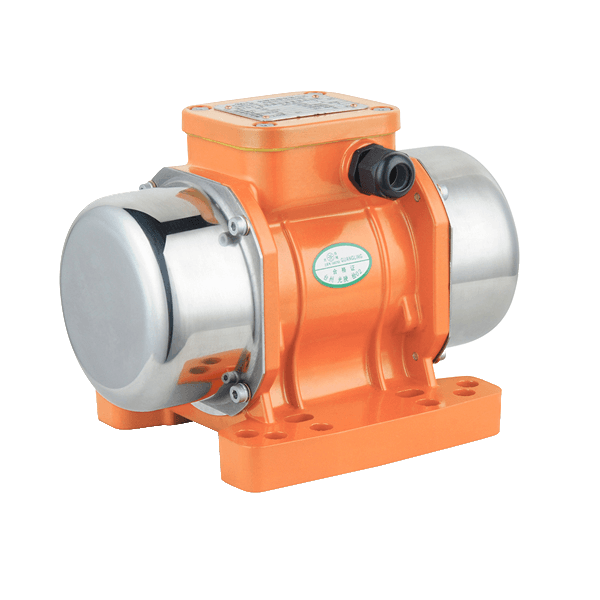
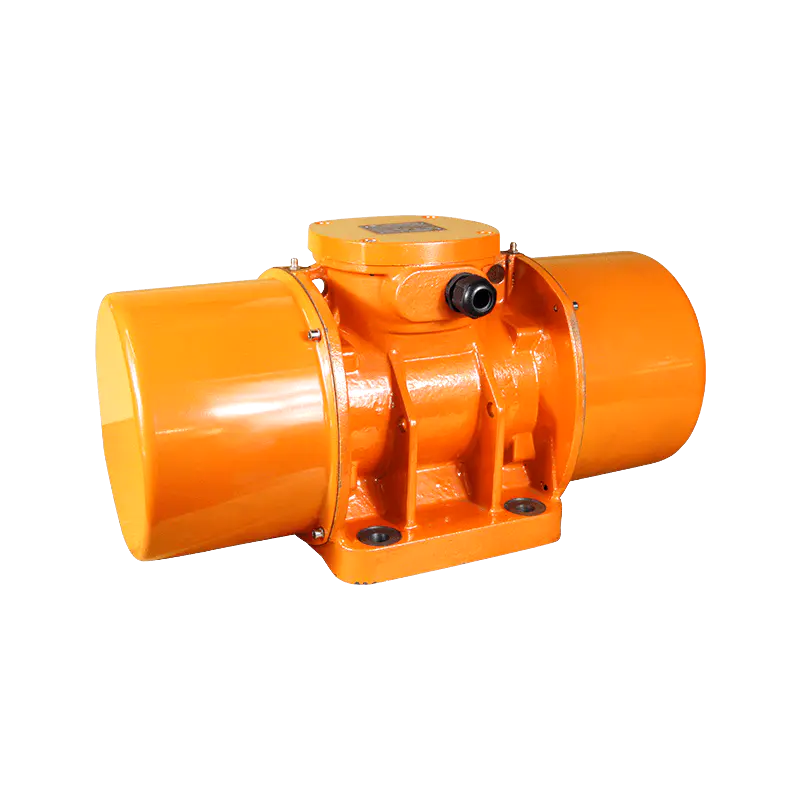
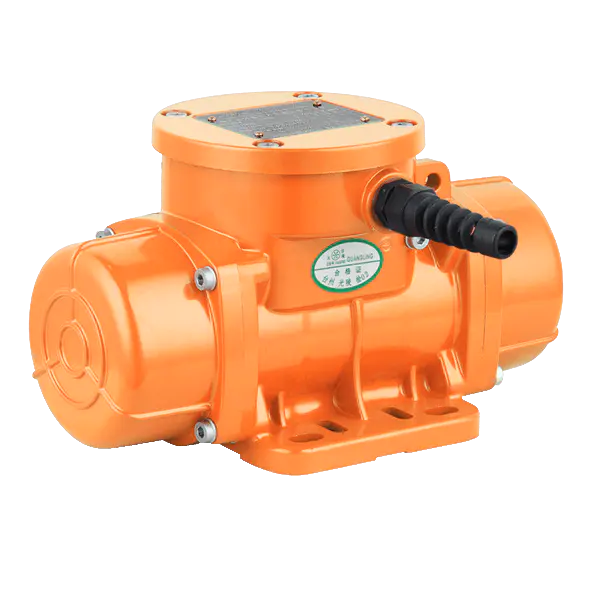
A vibrating motor 3 phase pair only synchronizes reliably when the frame connecting them is rigid enough to transmit each motor's vibration to the other without excessive flex absorbing the signal along the way. A frame that flexes too much between the two mounting points can weaken this mechanical coupling to the point where the motors drift in and out of sync rather than settling into a stable pattern, producing an uneven or inconsistent vibration output at the working surface. Zhejiang Guangling Vibrating Technology Co.,Ltd designs its MV standard series motors with mounting specifications intended to support this kind of rigid-frame installation, since the motor's own construction only accounts for half of what determines synchronization reliability in the finished equipment.
Power Supply Balance Affects How Cleanly Motors Lock Into Step
A vibrating motor 3 phase pair drawing from an unbalanced or unstable power supply can experience inconsistent torque between the two units, which interferes with the self-synchronization process even when the mechanical frame itself is properly rigid. Equipment manufacturers integrating twin motor pairs should confirm both units receive comparable voltage and phase balance, since a supply issue affecting only one motor in the pair introduces exactly the kind of mismatch that disrupts synchronized rotation.
Certification and Bulk Supply for OEM Screen and Feeder Manufacturers
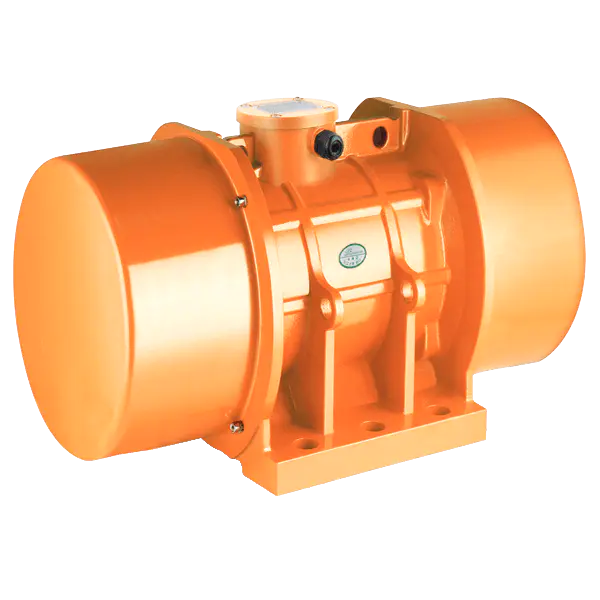
Buyers building vibrating screens, feeders, or compaction equipment around vibrating motor 3 phase pairs should confirm matched sets are available as paired units from a single production batch, since sourcing two individually selected motors from different batches introduces a risk of the kind of characteristic mismatch that can undermine reliable synchronization. Zhejiang Guangling Vibrating Technology Co.,Ltd supports this kind of matched-pair sourcing across its 2, 4, 6, and 8-pole three-phase series, and buyers placing bulk orders for an OEM equipment line should confirm this pairing consistency applies across the full production volume their assembly schedule requires. Requesting factory documentation on paired-unit testing, rather than assuming any two motors of the same model number will behave identically once installed, gives an equipment manufacturer more confidence going into a design that depends on this mechanical coordination working correctly from the outset.


 Tel: + 86-576-86320988
 Fax: + 86-576-86333217
 E-mail:
  Add: Dayangcheng Industrial Zone, daxi, wenling, zhejiang, china
