

 英语
英语 葡萄牙语
葡萄牙语 西班牙语
西班牙语 русский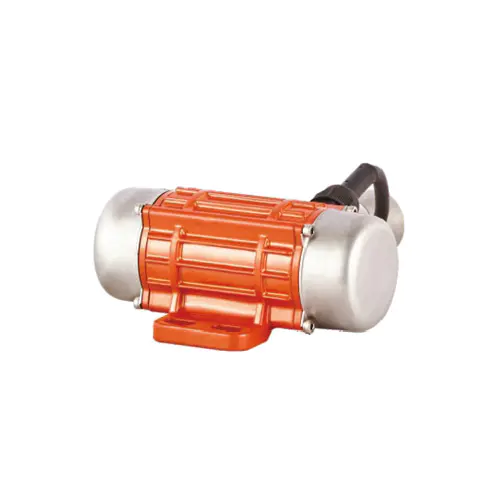
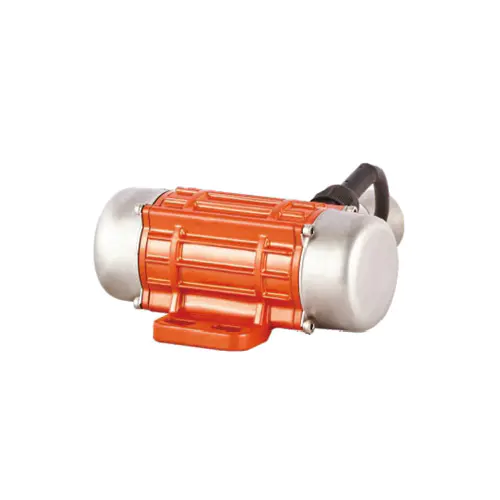
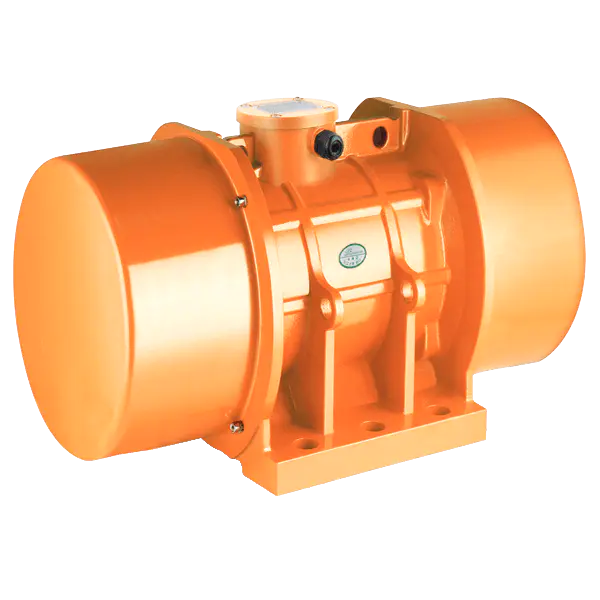
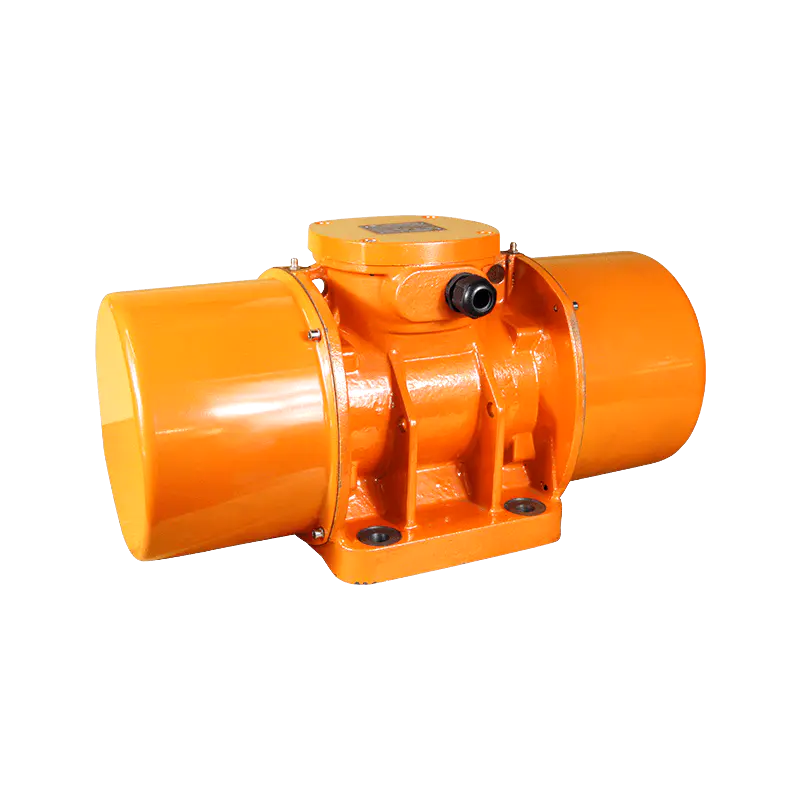
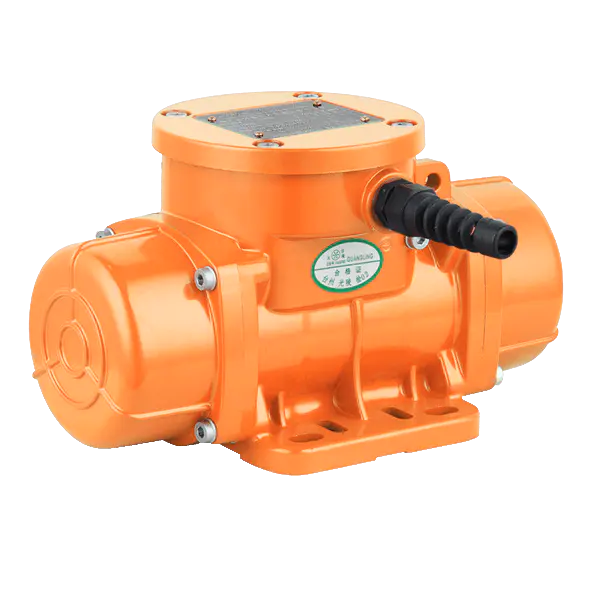
The specialized component known as the electric vibrator motor is witnessing growing integration into a broader range of products and systems. As a distinct type of actuator designed to generate consistent oscillating force from electrical power, the electric vibrator motor is distinguished by its focus on delivering controlled mechanical vibration for functional purposes beyond simple alerts. This evolution reflects a wider recognition of vibration as a useful mechanical input in industrial processes, consumer products, and therapeutic devices.
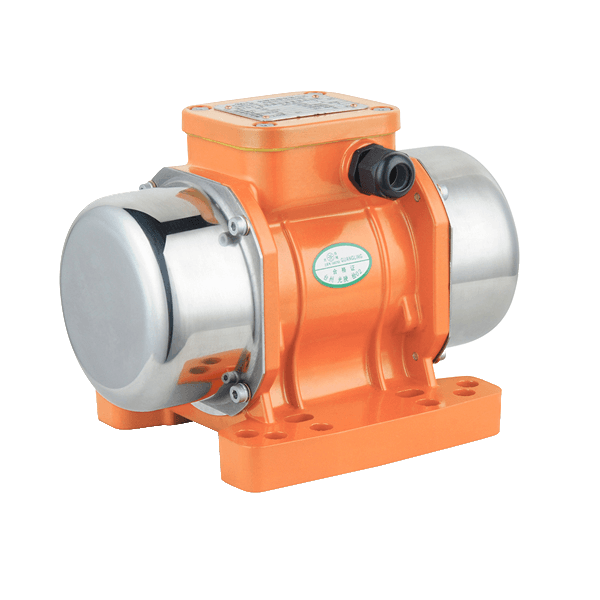
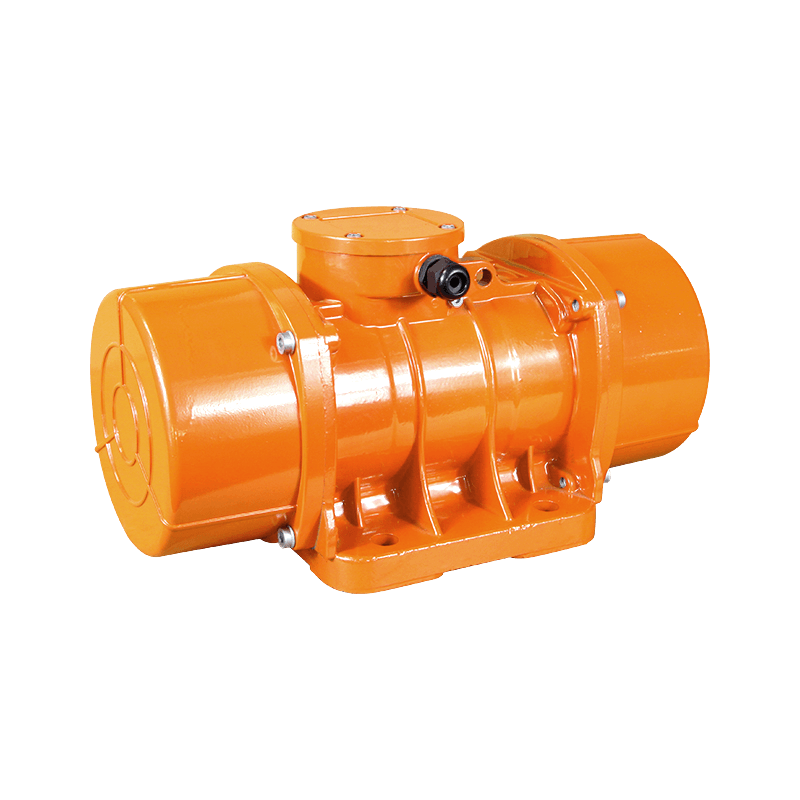
Fundamentally, an electric vibrator motor operates by rapidly rotating an eccentric mass, creating centrifugal force that translates into vibration. The design parameters of an electric vibrator motor, including its rotational speed, mass displacement, and mounting method, determine the frequency and amplitude of the vibration output. Engineers select a specific electric vibrator motor based on the required force, intended duty cycle, and the environmental conditions of the application, balancing performance with factors like noise generation and operational lifespan.
In industrial and manufacturing contexts, the electric vibrator motor serves as a critical tool for material handling. It is commonly installed on the sides of hoppers, silos, and conveyor chutes to prevent material arching and ensure the consistent, smooth flow of powders, granules, or bulk solids. The reliable operation of an electric vibrator motor in these settings helps maintain production line efficiency, reduce blockages, and less material waste. Its robustness is key, as an industrial electric vibrator motor must often perform continuously in demanding environments with exposure to dust, moisture, or variable temperatures.
The consumer product sector also utilizes the electric vibrator motor for functional benefits. In personal care and wellness, for example, certain massaging devices incorporate an electric vibrator motor to provide therapeutic percussion or vibration. Home appliances may use a small electric vibrator motor in functions ranging from facial cleansing brushes to certain types of compact cleaning tools. In these applications, the performance of the electric vibrator motor relates directly to user satisfaction, with attention paid to its smooth operation, adjustable intensity, and quietness.
A significant area of development for the electric vibrator motor involves precision and control. Advanced versions incorporate features like variable speed control, allowing the vibration frequency to be adjusted for different tasks or user preferences. Furthermore, the integration of more efficient permanent magnet materials and optimized bearing designs aims to enhance the power density and durability of the electric vibrator motor. These improvements expand its suitability for applications requiring specific, repeatable vibration profiles or extended service intervals.
The application landscape for the electric vibrator motor is expected to broaden. Innovations in battery technology and low-power motor design could enable more portable and cordless applications. There is also ongoing research into utilizing the controlled force of an electric vibrator motor in specialized fields, such as aiding certain material separation processes or contributing to the functionality of advanced assistive devices. As industries continue to seek automated and efficient mechanical solutions, the electric vibrator motor is poised to remain a relevant and adaptable component. Its role underscores the utility of controlled vibration as a mechanical solution, driving its steady adoption beyond its traditional niches and into new products and processes where reliable, consistent mechanical agitation is required.


 Tel: + 86-576-86320988
 Fax: + 86-576-86333217
 E-mail:
  Add: Dayangcheng Industrial Zone, daxi, wenling, zhejiang, china
