

 英语
英语 葡萄牙语
葡萄牙语 西班牙语
西班牙语 русский
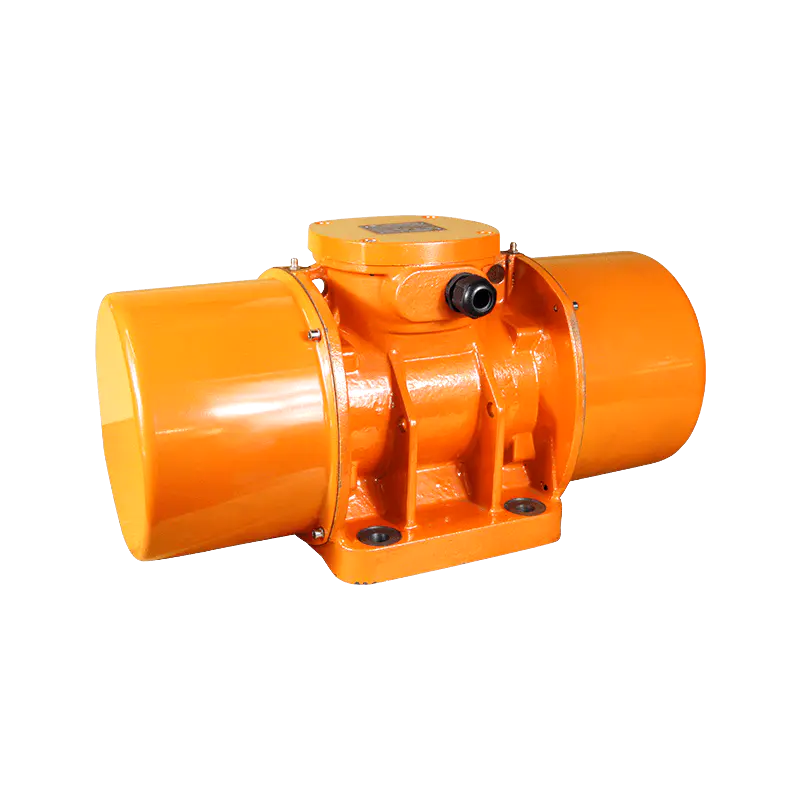
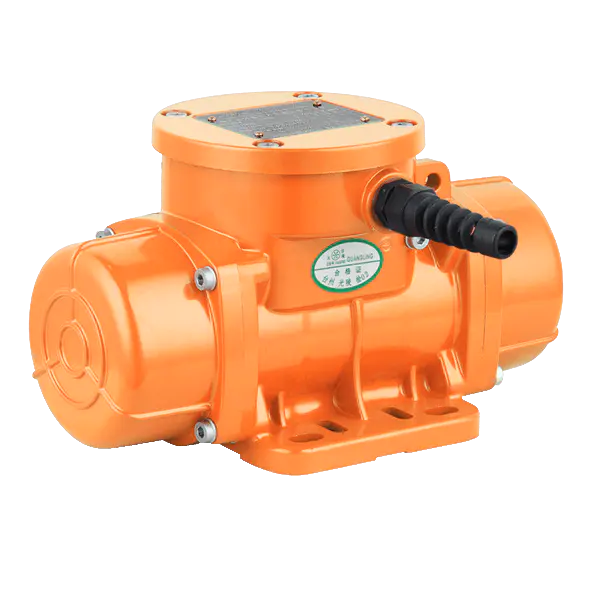
The component known as the electrical vibrator motor remains a cornerstone in numerous systems requiring controlled mechanical oscillation. As an integrated device that converts electrical energy directly into vibrational force, the electrical vibrator motor provides a reliable and consistent solution for applications ranging from material handling to product finishing. The versatility and fundamental design of the electrical vibrator motor sustain its widespread use across different sectors, where its role is often critical for operational efficiency.
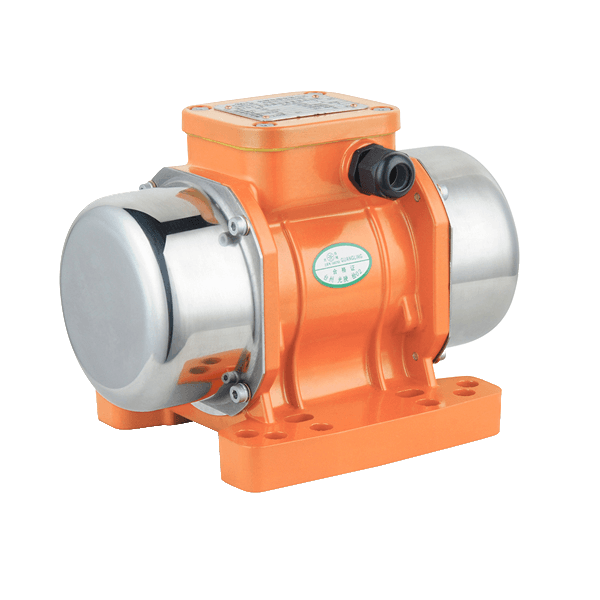
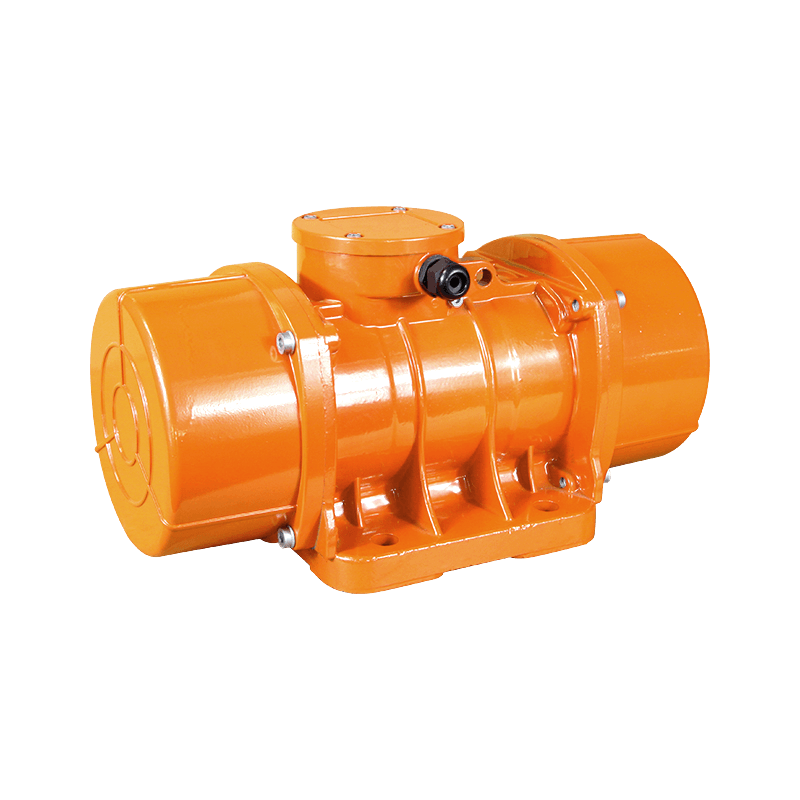
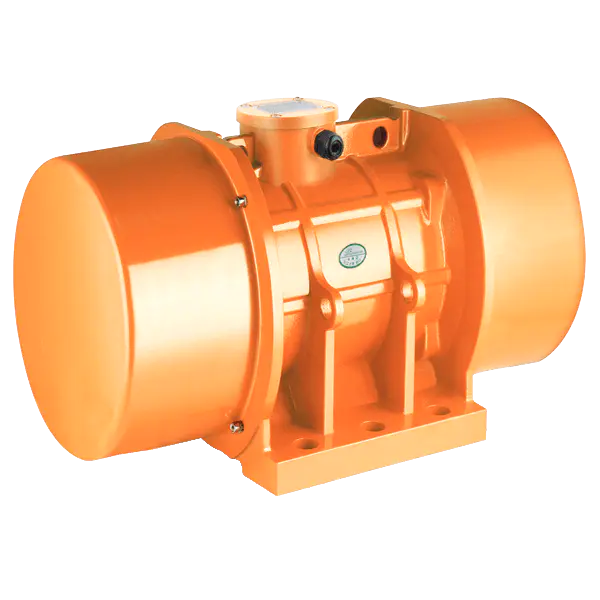
An electrical vibrator motor typically operates on a simple yet effective principle. It houses an unbalanced mass on its rotor shaft; when the motor spins, the offset weight creates a centrifugal force, resulting in vibration. The characteristics of this vibration—its frequency and amplitude—are determined by the motor's rotational speed and the mass's eccentricity. This makes the selection of a specific electrical vibrator motor crucial, as its output must match the precise mechanical needs of the application, whether for conveying fine powder or compacting solid aggregate.
In industrial manufacturing, the electrical vibrator motor is indispensable for material flow management. It is frequently mounted on the external surfaces of hoppers, silos, and feeding chutes. The activation of an electrical vibrator motor in these settings disrupts static friction, preventing bulk materials from arching or ratholing, thereby ensuring a consistent and reliable discharge. The dependability of the electrical vibrator motor in such continuous or intermittent duty is vital for maintaining automated production lines without interruption, directly supporting throughput and reducing manual intervention.
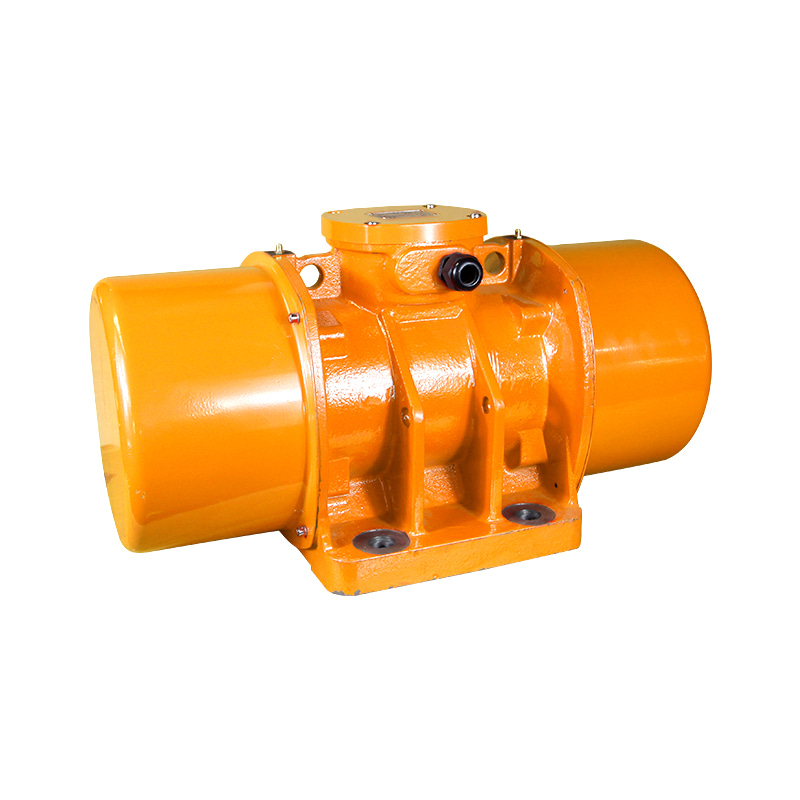
Beyond bulk handling, the electrical vibrator motor finds important roles in processes like screening, sorting, and compacting. In vibratory screeners and separators, multiple electrical vibrator motor units are often employed to generate the specific oscillating or linear motion that sorts materials by size. In foundries or precast concrete facilities, a powerful electrical vibrator motor is used to consolidate material within molds, eliminating air gaps and ensuring product integrity. The ability of the electrical vibrator motor to deliver focused, adjustable mechanical energy makes it suitable for these varied tasks.
Ongoing development related to the electrical vibrator motor focuses on enhancing its durability, energy efficiency, and control integration. Modern iterations may incorporate improved sealing to withstand dusty or humid environments, extending service life. There is also progress in linking the electrical vibrator motor with electronic controllers, allowing for real-time adjustment of vibration intensity to match process conditions dynamically. This adaptability increases the effectiveness of the electrical vibrator motor while potentially reducing energy consumption over time.
The application scope for the electrical vibrator motor is expected to remain stable with incremental innovations. As industries pursue greater automation and process optimization, the demand for reliable and efficient vibration sources persists. The fundamental design of the electrical vibrator motor, valued for its directness and robustness, is likely to endure. Future refinements may further optimize its power-to-size ratio and intelligent control capabilities. Ultimately, the electrical vibrator motor exemplifies how a focused engineering solution continues to address a fundamental mechanical need, securing its position as an essential component in the background of countless industrial operations, where consistent, controllable vibration is a key requirement for quality and efficiency.


 Tel: + 86-576-86320988
 Fax: + 86-576-86333217
 E-mail:
  Add: Dayangcheng Industrial Zone, daxi, wenling, zhejiang, china
