

 英语
英语 葡萄牙语
葡萄牙语 西班牙语
西班牙语 русский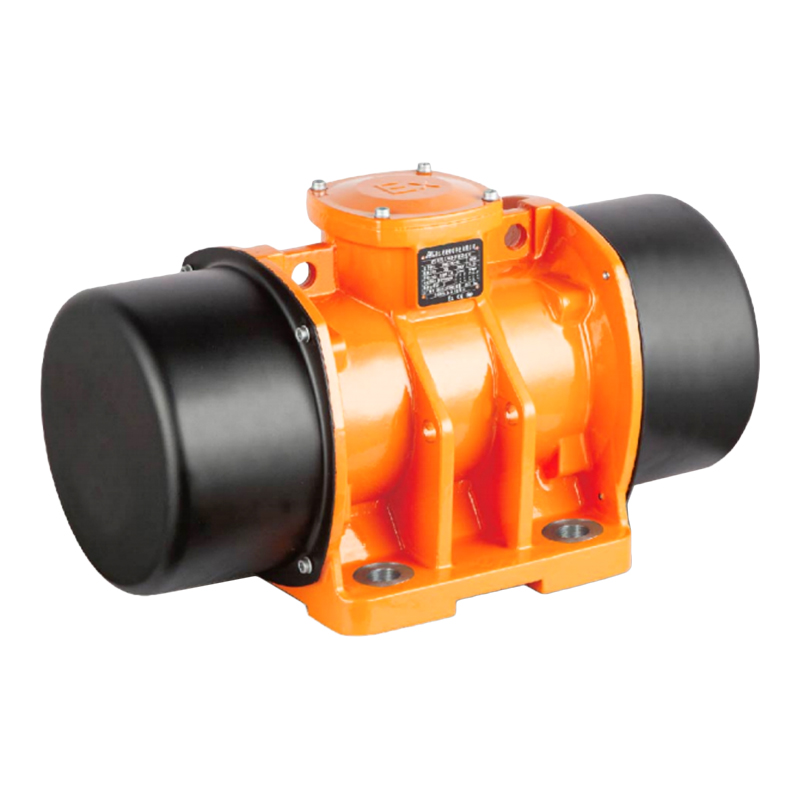
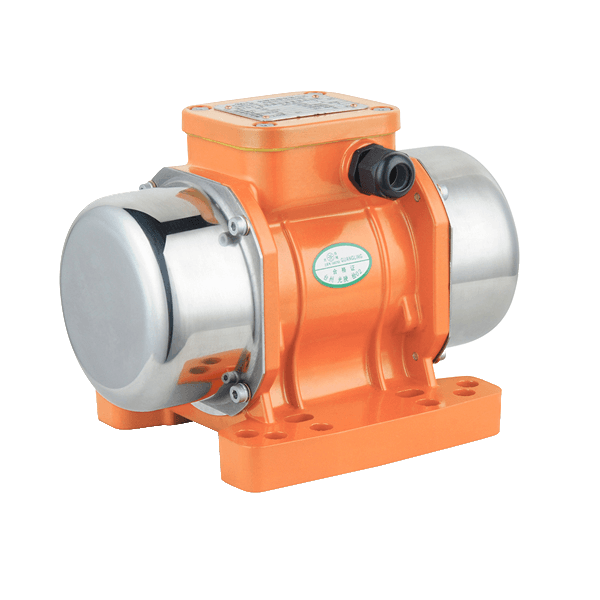
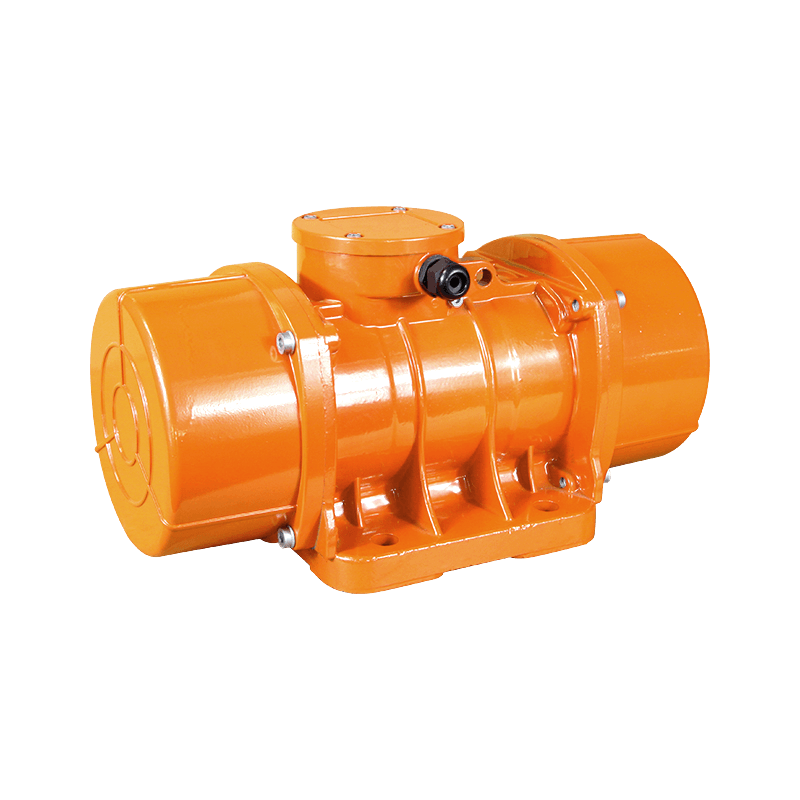
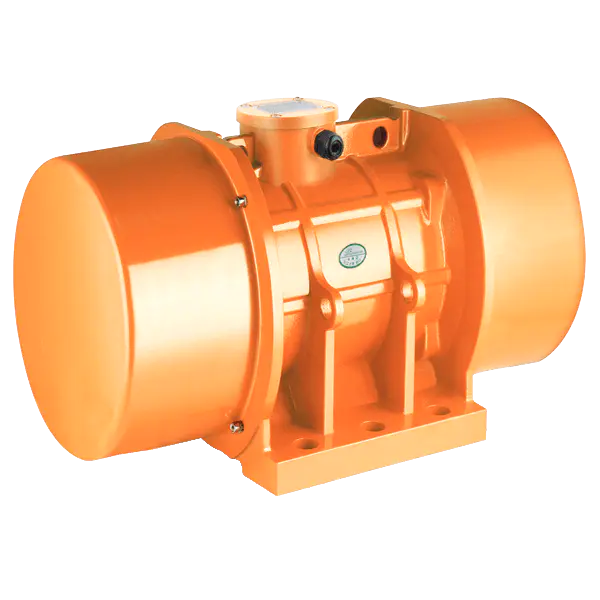
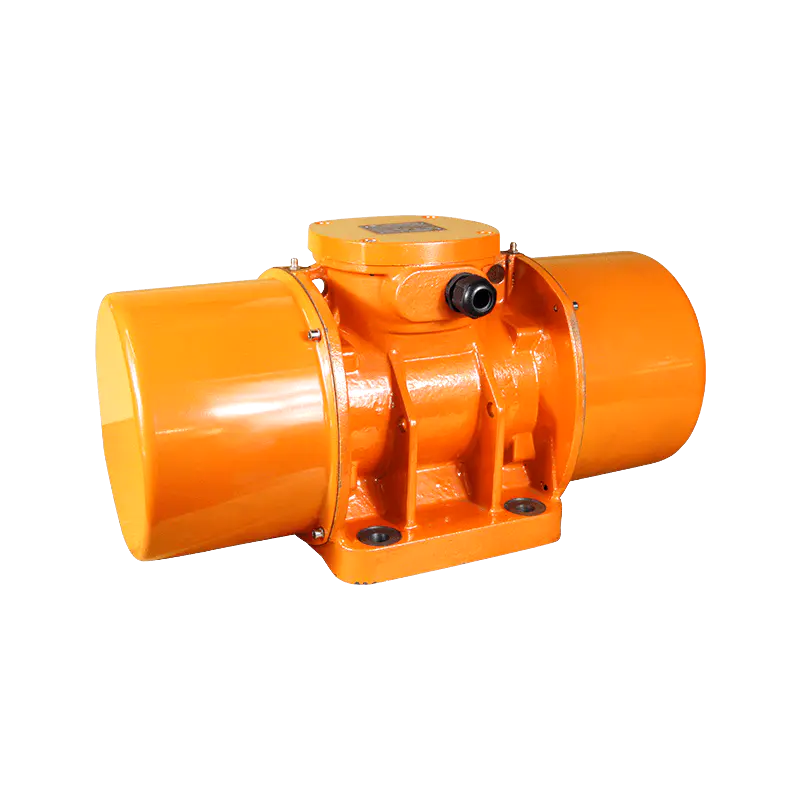
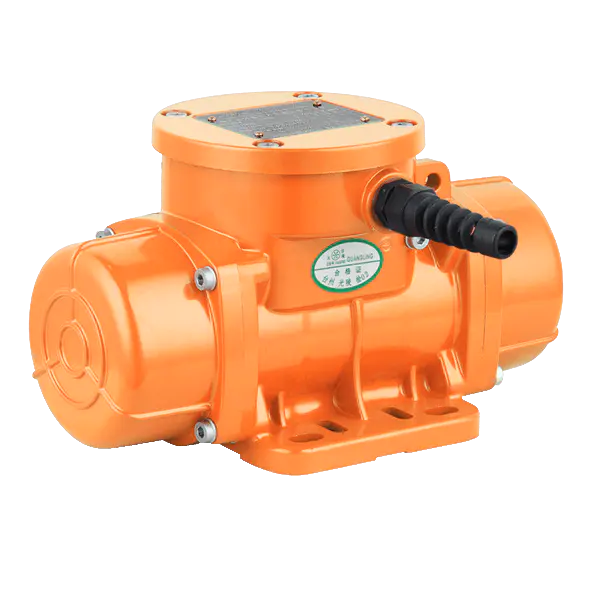
In the heart of countless material handling and processing systems across various industries, a specialized component operates with relentless energy: the industrial vibrating motor. This self-contained power unit is engineered to generate controlled, high-frequency linear or rotary vibrations. Far from being a simple device, the industrial vibrating motor is a critical driver for efficiency, serving as the essential force in applications that involve screening, conveying, compacting, and sorting bulk materials. Its design and reliable operation underpin the smooth functioning of assembly lines in sectors ranging from mining and food processing to pharmaceuticals and recycling.
The core function of an industrial vibrating motor is to convert electrical energy into precise mechanical vibration. Typically, these motors feature an eccentric weight (or multiple weights) attached to the rotor shaft. As the shaft rotates at high speed, the off-center mass creates a centrifugal force, resulting in a directional vibration that is transmitted to the surface or structure to which the motor is mounted. The amplitude and frequency of this vibration are crucial parameters. They are determined by the weight's mass and its distance from the shaft's center (eccentricity), as well as the motor's rotational speed. This allows the industrial vibrating motor to be precisely tuned for specific tasks, whether it's gently fluidizing powder in a hopper or aggressively sifting aggregates on a large screen.
Durability and resilience are defining characteristics of a high-performance industrial vibrating motor. These units are built to withstand punishing conditions. They operate in environments filled with dust, moisture, and bad temperature variations while subjecting themselves to constant internal stress from the unbalanced forces they generate. Consequently, a robust industrial vibrating motor features a heavy-duty housing, often cast iron, to contain vibration and provide heat dissipation. High-grade bearings are essential to handle the radial loads, and specialized sealing protects internal components from contamination. This rugged construction ensures the industrial vibrating motor can deliver millions of cycles with small maintenance, a necessity for continuous industrial operations.
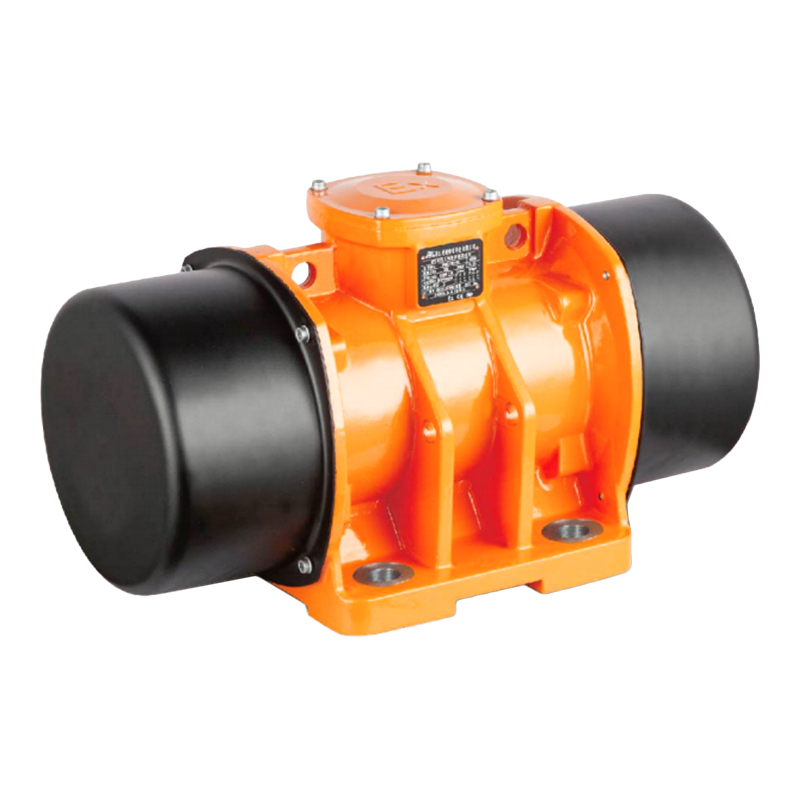
The application spectrum for the industrial vibrating motor is remarkably broad, demonstrating its versatility as a fundamental actuation technology. In screening and separation, these motors power vibratory screens and sieves that sort materials by size. In bulk handling, they are mounted to the sides of hoppers, bins, and chutes to prevent material arching and ensure consistent, reliable flow—a process known as "bin activization." On conveyor systems, industrial vibrating motors drive vibratory conveyors that move materials forward. They are also integral to compaction tables for settling products in packaging and to foundry shakeouts for separating castings from sand.
Innovation in industrial vibrating motor technology focuses on enhancing control, efficiency, and adaptability. Modern units often feature adjustable eccentric weights, allowing operators to fine-tune vibration amplitude without stopping the machine. The integration of variable frequency drives provides electronic control over vibration frequency, offering greater process flexibility. There is also a growing emphasis on energy efficiency, with designs aiming to improve vibrational output per unit of electrical input. For specialized applications, motors can be designed to generate specific vibration patterns, such as linear, elliptical, or circular motion, by using multiple shafts or carefully configured weight arrangements.
The evolution of the industrial vibrating motor is likely to be influenced by smart manufacturing trends. Future developments may include motors with embedded sensors for condition monitoring, providing real-time data on temperature, vibration signature, and bearing health to enable predictive maintenance. The demand for quieter operation and reduced transmission of vibration to supporting structures will also drive design improvements. As industries continue to automate and optimize their processes for higher throughput and quality, the reliable, powerful, and precisely controllable industrial vibrating motor will remain an indispensable, if often overlooked, workhorse in the foundation of modern industrial material management.


 Tel: + 86-576-86320988
 Fax: + 86-576-86333217
 E-mail:
  Add: Dayangcheng Industrial Zone, daxi, wenling, zhejiang, china
