

 英语
英语 葡萄牙语
葡萄牙语 西班牙语
西班牙语 русский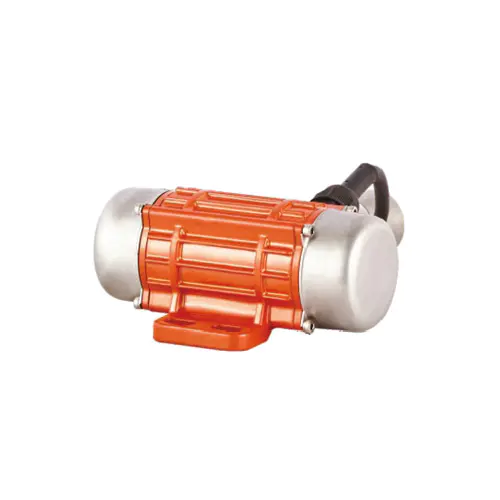
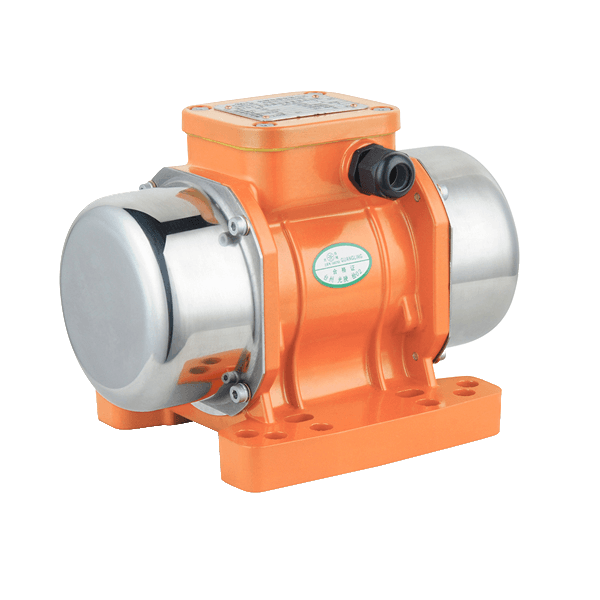
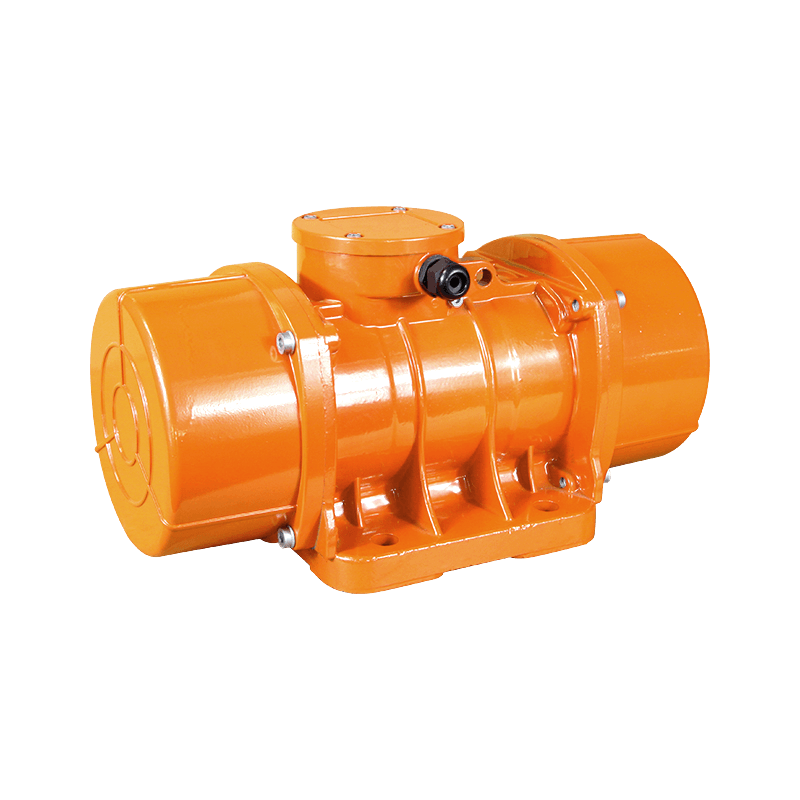
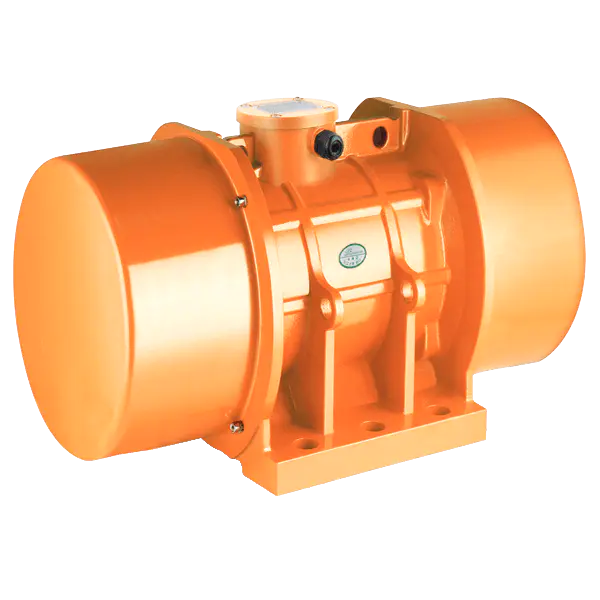
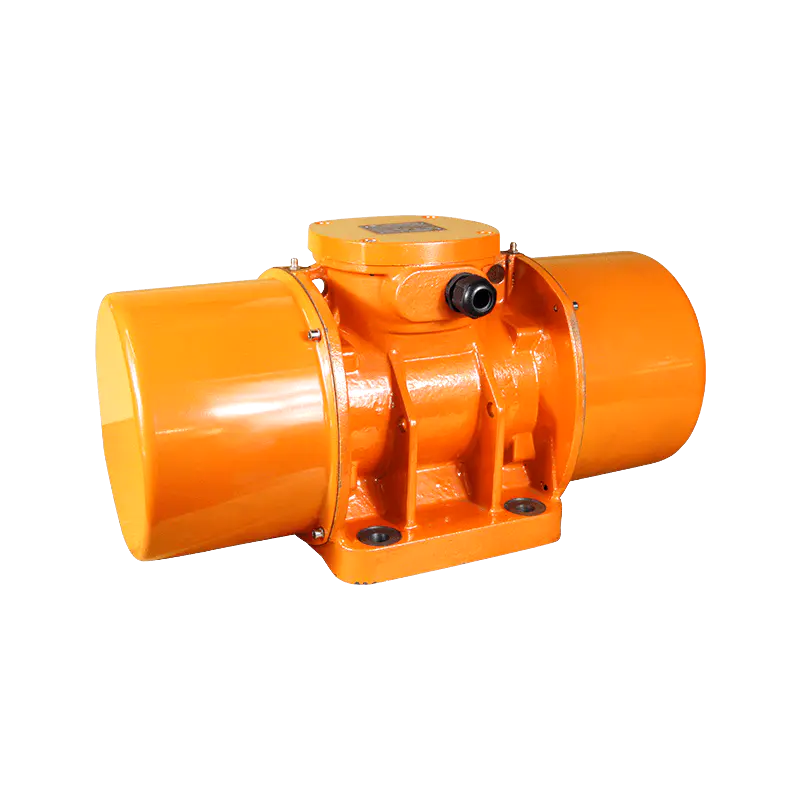
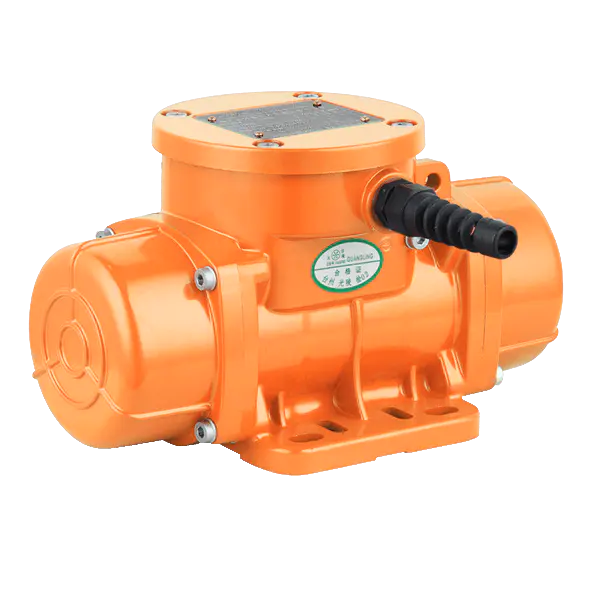
Within the vast ecosystem of small electromechanical components, the DC vibrator motor stands out as a specialized and widely utilized device for generating precise, controlled vibrations. These compact motors, powered by direct current, are engineered to convert electrical energy into oscillatory mechanical motion. The DC vibrator motor is integral to a diverse range of applications, from consumer electronics and personal devices to industrial equipment and medical instruments, where its reliable performance in a small form factor is highly valued.
The fundamental operation of a DC vibrator motor is elegantly simple yet effective. At its core, it is a small DC motor with an intentionally unbalanced mass—an eccentric weight—attached to its output shaft. When power is applied, the motor spins rapidly. The offset center of gravity of the rotating eccentric weight creates a centrifugal force, resulting in a perceptible vibration. The intensity of this vibration is determined by the mass of the weight, its distance from the axis of rotation, and the rotational speed of the motor. This design allows a DC vibrator motor to deliver consistent, directional vibration from a package that is often no larger than a coin, making it ideal for integration into space-constrained products.
The application spectrum for the DC vibrator motor is remarkably broad, highlighting its role as a critical haptic feedback and agitation component. In the realm of consumer electronics, it is the standard mechanism providing silent alerts and tactile feedback in mobile phones, pagers, game controllers, and smartwatches. Beyond alerts, these motors are used in electric toothbrushes and facial cleansing devices to create oscillating brush heads. In industrial and commercial settings, a DC vibrator motor might be found in equipment like pneumatic conveying systems to prevent material clogging in small hoppers, in packaging machines for compacting contents, or in massage chairs and handheld massagers for therapeutic vibration.
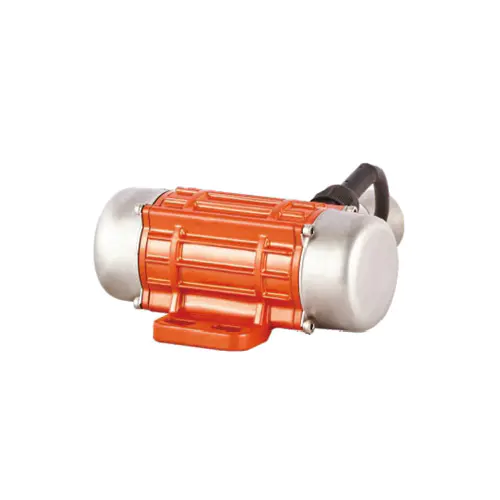
Design and material considerations for a DC vibrator motor focus on longevity, efficiency, and controlled performance. The housings are typically made from durable metals or high-strength plastics to contain the internal forces. The brushes and commutator, key components for transferring power in a basic DC motor, are engineered for millions of cycles, though brushless DC vibrator motor designs are also available for applications demanding even longer life and lower electrical noise. The eccentric weight is precisely manufactured and secured to ensure balanced, consistent vibration over the motor's operational lifespan. Power consumption is also a key parameter, especially for battery-powered devices, driving the development of efficient motor designs.
Innovation in DC vibrator motor technology is geared toward miniaturization, enhanced efficiency, and smarter integration. The trend is toward smaller, more powerful motors that consume less energy, extending battery life in portable devices. There is also development in DC vibrator motors that can produce more complex vibration patterns or varying frequencies for richer haptic experiences. Integration with control circuits for more sophisticated feedback patterns in user interfaces is another area of focus. As products continue to become more interactive and connected, the humble yet vital DC vibrator motor will continue to evolve, providing the essential sense of touch in an increasingly digital world, proving that sometimes the impactful communication is felt, not seen or heard.


 Tel: + 86-576-86320988
 Fax: + 86-576-86333217
 E-mail:
  Add: Dayangcheng Industrial Zone, daxi, wenling, zhejiang, china
