

 英语
英语 葡萄牙语
葡萄牙语 西班牙语
西班牙语 русский
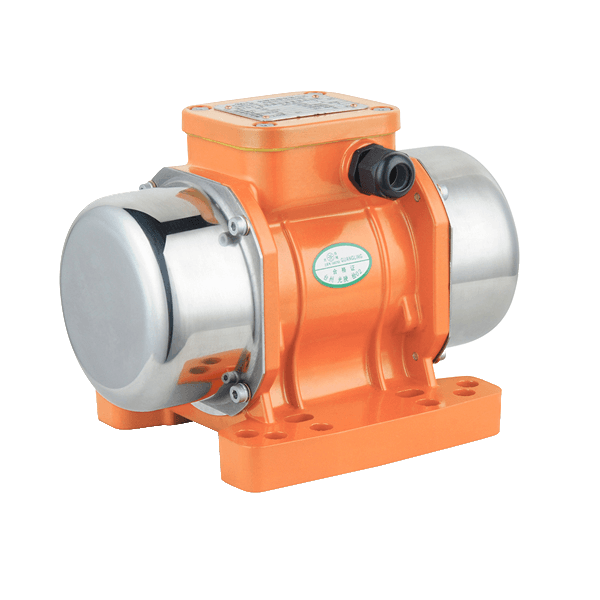
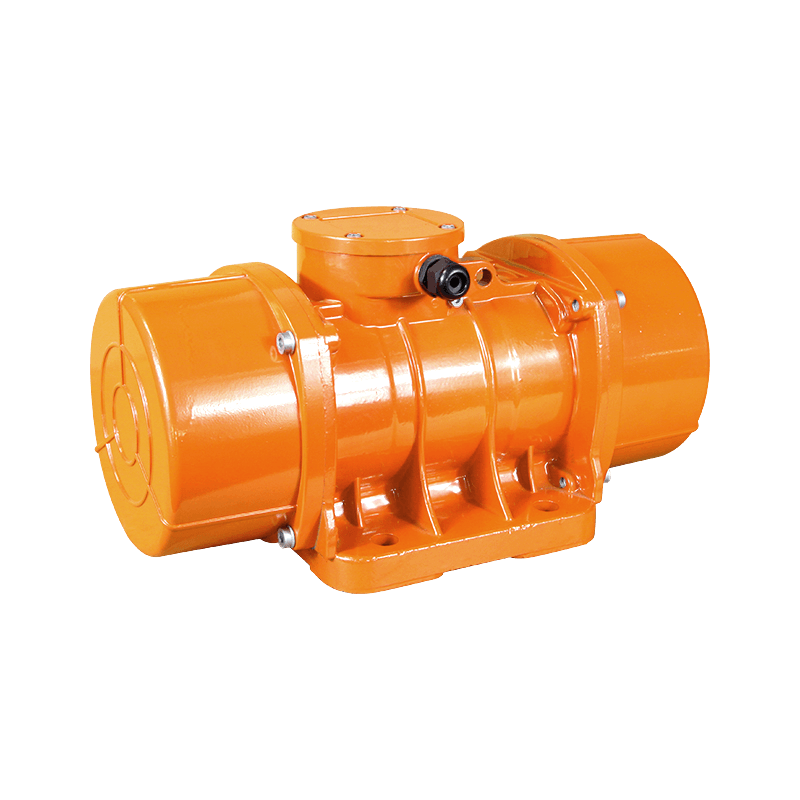
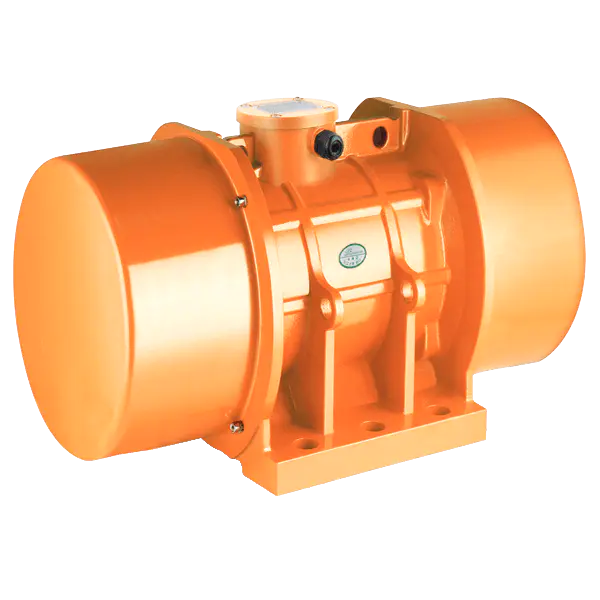
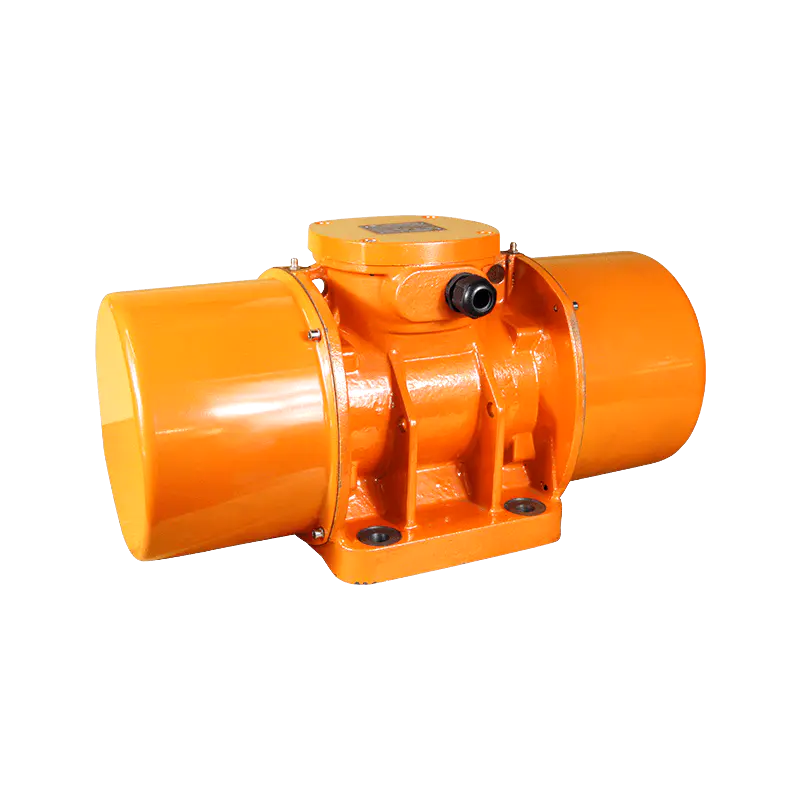
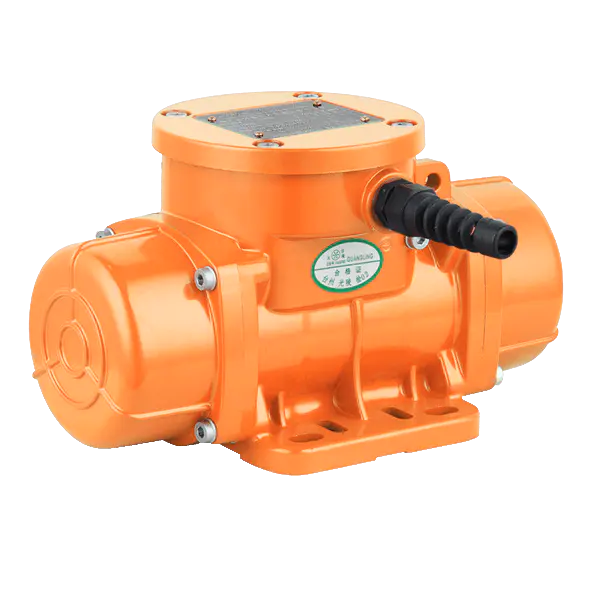
In the world of modern construction, the integrity and longevity of concrete structures depend heavily on a critical process: consolidation. At the heart of this process lies a specialized tool powered by a concrete vibrator motor. This rugged electric or pneumatic motor is engineered to deliver high-frequency, low-amplitude vibrations to freshly poured concrete, eliminating air pockets and ensuring the material flows completely around reinforcement and into formwork corners. The performance of the concrete vibrator motor directly influences the strength, density, and surface quality of the finished concrete, making it an indispensable component on any serious construction site.
The primary function of a concrete vibrator motor is to transform electrical or pneumatic energy into powerful mechanical oscillations. These vibrations are transmitted through a flexible drive shaft or directly from the motor housing to a vibrating head immersed in the wet concrete mix. The rapid agitation created by the concrete vibrator motor reduces the internal friction between concrete particles, allowing the mixture to behave like a fluid. This "liquefaction" enables trapped air bubbles to rise to the surface and ensures the concrete completely fills the formwork, creating a homogeneous, dense mass with small voids. The effectiveness of this consolidation is fundamental to achieving the designed compressive strength and durability of the structure.
Durability and resilience are non-negotiable for a concrete vibrator motor. These units operate in one of the punishing environments imaginable: they are subjected to constant immersion in abrasive concrete slurry, high levels of dust and moisture, and significant mechanical stress from the vibrating action. A high-quality concrete vibrator motor features a sealed, heavy-duty housing—often aluminum or hardened plastic—to protect internal components. It utilizes specially sealed bearings designed to withstand radial loads and prevent the ingress of water and fine cement particles. The design must also manage heat dissipation effectively, as the motor can run for extended periods under load.
The application of the concrete vibrator motor is central to nearly all concrete placement operations. On large-scale projects like foundations, slabs, columns, and walls, multiple concrete vibrator motor units are deployed simultaneously. The motor's power and the vibrating head's diameter are selected based on the volume of concrete and the spacing of reinforcement. For precast concrete manufacturing, specialized concrete vibrator motor systems are often integrated into casting tables or forms to ensure consistent product quality. The tool is equally vital for smaller jobs, such as setting posts or creating driveways, where proper consolidation prevents future cracking and surface defects.
Innovation in concrete vibrator motor technology focuses on enhancing operator ergonomics, improving energy efficiency, and integrating smart features. Developments include lighter-weight materials to reduce fatigue, more efficient motor designs that deliver equal power with less energy input, and variable speed controls for greater process adaptability. There is also interest in cordless, battery-powered concrete vibrator motor systems to increase mobility and eliminate trailing power cords on congested sites. As construction techniques evolve and the demand for high-performance, durable concrete grows, the concrete vibrator motor will continue to be refined, ensuring it remains the essential tool for transforming liquid concrete into solid, reliable infrastructure.


 Tel: + 86-576-86320988
 Fax: + 86-576-86333217
 E-mail:
  Add: Dayangcheng Industrial Zone, daxi, wenling, zhejiang, china
