

 英语
英语 葡萄牙语
葡萄牙语 西班牙语
西班牙语 русский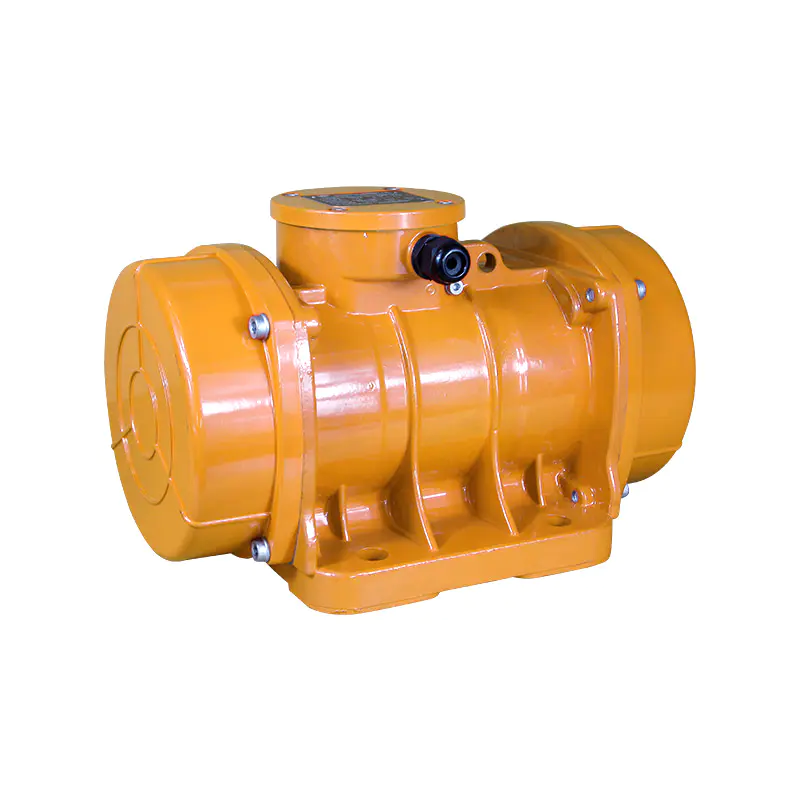
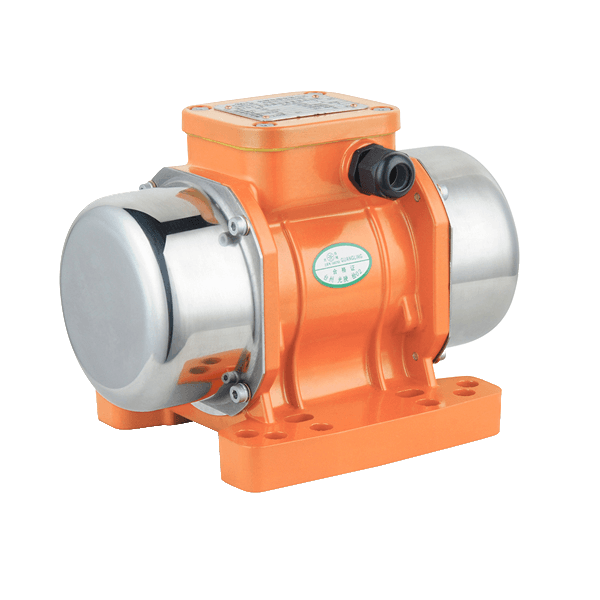
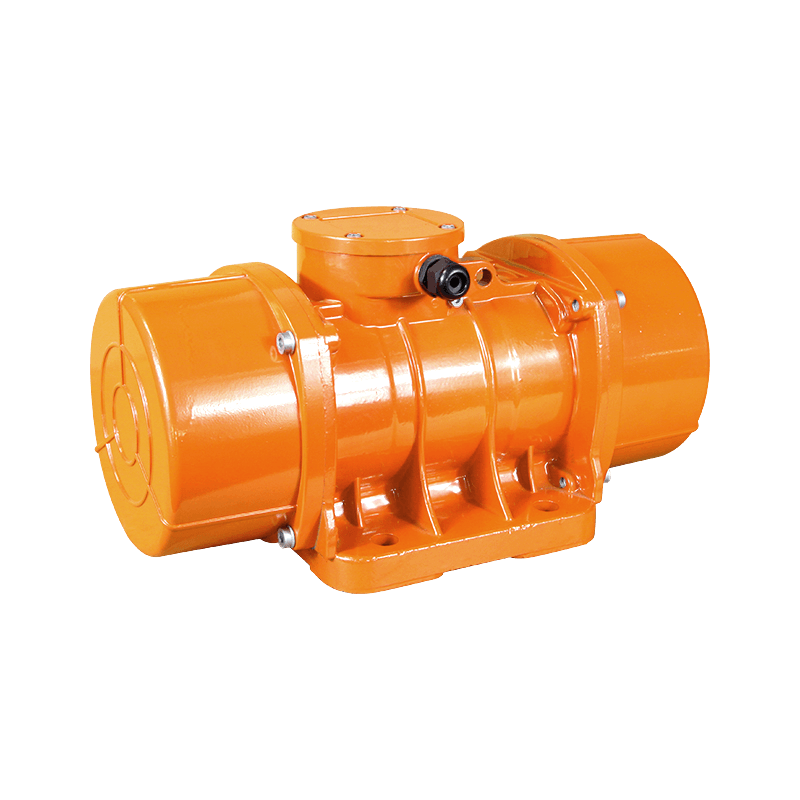
The global industrial vibration equipment sector is tracking steady growth as the electrical vibrator motor cements its position as the preferred power source across material handling, concrete consolidation, and bulk processing applications. An electrical vibrator motor converts electrical energy into controlled mechanical vibration through eccentric weights mounted on a rotating shaft, providing adjustable force to move, compact, and separate materials. Current market data indicates that electric-powered units now command approximately 70 percent of the global industrial vibrator market, valued at over 800 million dollars annually, with growth projected at 4 to 5 percent through 2028. The electrical vibrator motor has evolved from a basic rotary actuator into a precisely engineered component, and its market trajectory reflects broader trends in industrial automation and energy efficiency.
What Foundational Knowledge Informs Specification and Selection?
Clear understanding of operating principles and construction is essential for effective specification. The fundamental mechanism relies on a standard induction motor modified with extended shaft ends to accommodate adjustable eccentric weights, with the rotating imbalance generating sinusoidal vibration. The motor frame must be substantially reinforced compared to standard industrial motors, with heavier bearing housings and high-strength shaft material to withstand continuous cyclic loading. Single-phase motors serve light applications up to approximately 2 kilowatts, while three-phase motors dominate heavier installations above 1.5 kilowatts. Enclosure design follows the IP rating system, with IP65 and IP66 specified for dusty and wet environments. Insulation systems use Class F or Class H materials, rated for 155 and 180 degrees Celsius respectively, because the lack of external cooling fans results in higher operating temperatures. Duty cycle classification is critical, with continuous-duty motors required for screen and feeder applications operating full shifts, while intermittent-duty motors suit cyclic operations like form vibration. Adjustable eccentric weights allow on-site force tuning from 30 to 100 percent of big output.
What Performance Parameters Define Operational Capability?
Performance is characterized by centrifugal force, operating speed, vibration amplitude, and power consumption. Centrifugal force spans from 50 kilograms-force for compact bin vibrators to over 20,000 kilograms-force for large quarry screens. This force is calculated from eccentric weight mass, its radius from the shaft centerline, and the square of rotational speed. Operating speed is determined by stator winding poles, with 2-pole at approximately 3,000 revolutions per minute, 4-pole at 1,500, 6-pole at 1,000, and 8-pole at 750 on 50-hertz supply. Low-speed, high-amplitude vibration is effective for coarse material transport, while high-speed, low-amplitude suits fine screening and concrete consolidation. Vibration amplitude decreases as driven structure mass increases, making force-to-weight ratio a critical parameter. A bin vibrator needs a ratio of 0.3 to 0.5, while a vibrating screen may require above 4.0. Power consumption spans 0.1 kilowatts for micro-vibrators to 15 kilowatts for large industrial units.
What Industry and Market Dynamics Are Shaping the Sector?
The market is influenced by automation investment, mining output, construction activity, and energy efficiency emphasis. Mining and quarrying represent the largest demand segment at approximately 28 percent of global production for screen and feeder applications. Construction and precast concrete account for roughly 22 percent, driven by infrastructure spending. Food processing and pharmaceutical manufacturing represent about 15 percent, where stainless steel housings meet sanitary requirements. Variable frequency drive adoption has improved screening efficiency by 10 to 15 percent in controlled studies. Energy efficiency standards are influencing motor design, with premium-efficiency windings reducing power consumption by 3 to 5 percent. Geographic demand centers include Asia-Pacific at roughly 45 percent of global consumption, followed by Europe and North America. Aftermarket parts constitute significant revenue, as vibrator motors in harsh environments typically require bearing replacement at 10,000 to 20,000 hour intervals. Digital integration is emerging, with sensors monitoring vibration signature and bearing condition enabling predictive maintenance that reduces unplanned downtime by up to 30 percent.
The electrical vibrator motor operates at the intersection of industrial processing efficiency and equipment reliability, its consistent performance directly linked to production throughput across multiple sectors. As industries invest in automation, energy optimization, and predictive maintenance, the technical demands placed on vibration equipment will increase accordingly. The electrical vibrator motor that combines durable construction with precise force delivery and maintenance-friendly design will maintain its position as an essential component in the global industrial equipment landscape.
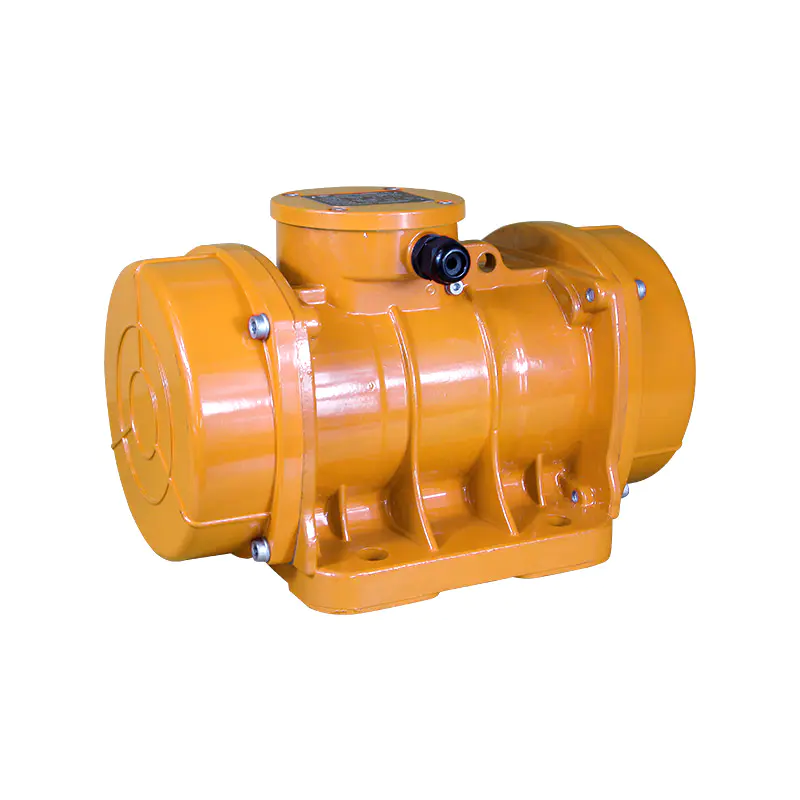
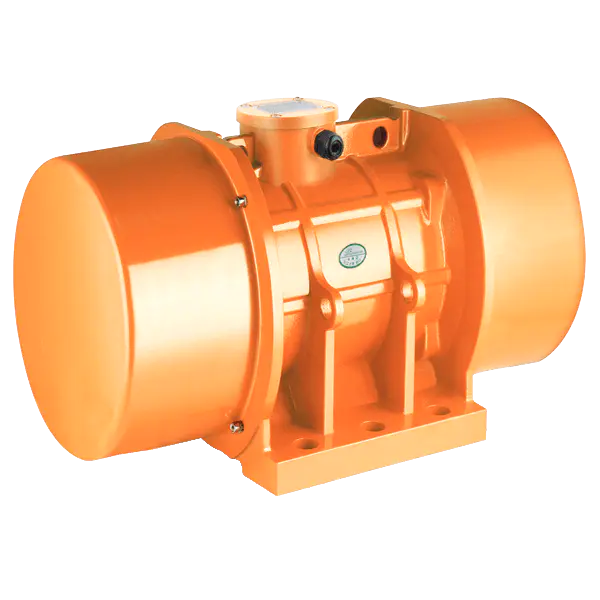
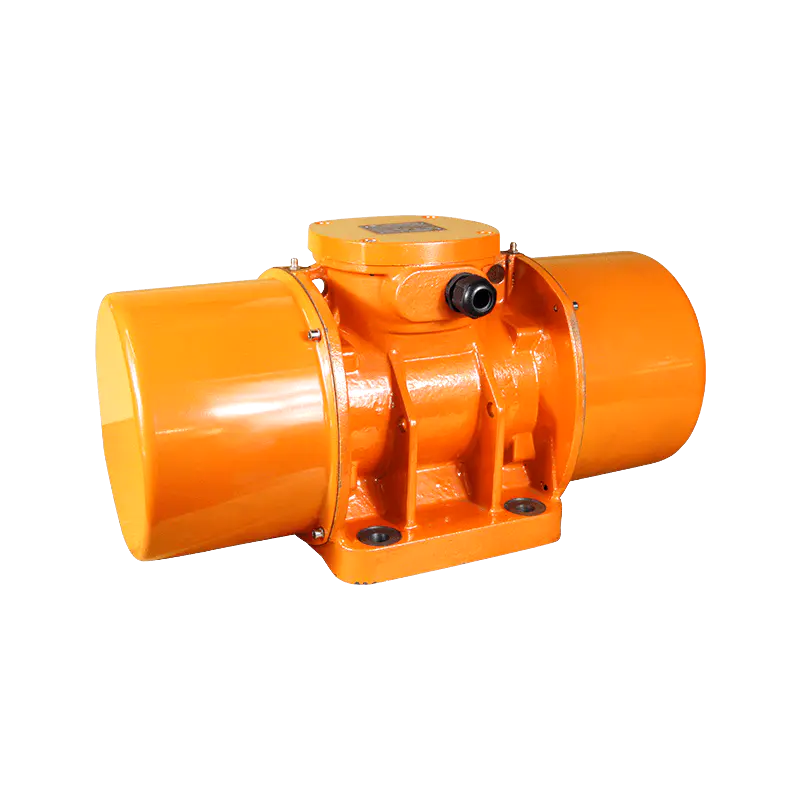
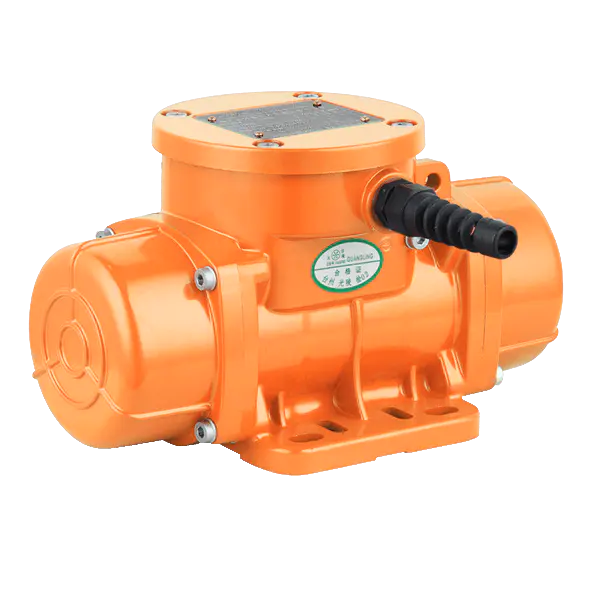
For versatile industrial vibration, we recommend the Three Phase (220V/380V) 2 Poles 3000/3600rpm 50/60Hz MV 800/3 from Zhejiang Guangling Vibrating Technology Co., Ltd. This powerful vibrator motor supports dual voltage and dual frequency, making it suitable for global applications. The two-pole design delivers reliable centrifugal force for vibrating screens, feeders, and compactors. With robust construction and sealed housing, it resists dust, moisture, and harsh environments. The MV 800/3 offers consistent performance across 50Hz (3000rpm) or 60Hz (3600rpm) power supplies. Ideal for mining, concrete production, recycling, and bulk material handling.


 Tel: + 86-576-86320988
 Fax: + 86-576-86333217
 E-mail:
  Add: Dayangcheng Industrial Zone, daxi, wenling, zhejiang, china
