

 英语
英语 葡萄牙语
葡萄牙语 西班牙语
西班牙语 русский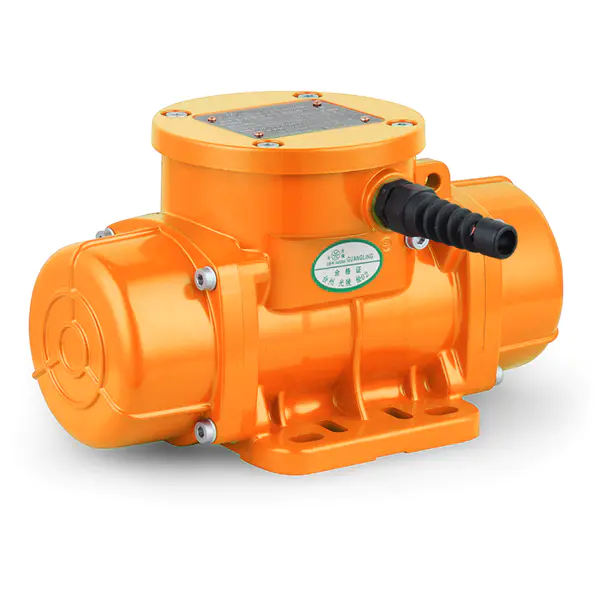
The industrial equipment sector is witnessing growing reliance on the electric vibrator motor as facilities seek reliable, controllable vibration sources for material handling and compaction. An electric vibrator motor converts electrical energy into mechanical vibration through eccentric weights on a rotating shaft, delivering adjustable force that drives bulk material flow, screening, and consolidation. Market estimates place the global industrial vibrator market at over 800 million dollars annually, with electric units commanding roughly 70 percent of volume. The electric vibrator motor has evolved into a precisely specified component, and effective deployment depends on understanding technical parameters, application requirements, and correct installation procedures.
What Technical Parameters Govern Performance and Selection?
The electric vibrator motor is defined by centrifugal force output, operating speed, and power rating. Centrifugal force spans from 50 kilograms-force for small bin vibrators to over 20,000 kilograms-force for large quarry screens. Force-to-weight ratios vary by application, with bins needing 0.3 to 0.5 and vibrating screens requiring ratios above 4.0. Operating speed depends on magnetic pole count, with 2-pole motors running at approximately 3,000 revolutions per minute at 50 hertz, 4-pole at 1,500, 6-pole at 1,000, and 8-pole at 750. Low-frequency vibration at 750 to 1,000 revolutions per minute produces large amplitude for coarse material transport, while high-frequency at 3,000 to 3,600 generates rapid impulses for fine screening and concrete consolidation. Power ratings span from 0.1 kilowatts to 15 kilowatts for heavy-duty models. Adjustable eccentric weights allow force tuning from 30 percent to full capacity. Enclosure protection follows the IP system, with IP65 and IP66 specified for dusty and wet environments. Insulation class F or H ensures reliable operation under sustained vibration-induced heating.
Where Do Industrial Applications Demonstrate Operational Value?
Deployment spans manufacturing, mining, construction, and food processing. In concrete production, immersion vibrators at 10,000 to 12,000 vibrations per minute consolidate fresh concrete, increasing compressive strength by up to 30 percent. In mining, vibrator motors on screens separate aggregate, processing 50 to 500 tons per hour. Food processing uses stainless steel motors on conveyors and sieves, moving powders with controlled amplitude that prevents product damage. Bulk material handling in silos relies on vibrator motors to prevent bridging, with properly sized units improving flow rates by 40 to 60 percent over gravity discharge. In manufacturing, vibratory finishing machines with dual-motor systems polish metal components, with motor rotation direction determining cutting or polishing action. Compaction tables with multiple motors consolidate concrete products in precast manufacturing, achieving uniform density in pavers and blocks.
What Installation Practices Ensure Reliable Long-Term Operation?
Installation quality directly determines service life and performance. The mounting surface must be flat to within 0.1 millimeters across the motor base, machined to ensure full contact and prevent stress concentrations that accelerate bearing failure. Mounting bolts require manufacturer-specified torque with thread-locking compound to prevent vibration-induced loosening. The mounting structure must have a natural frequency at least 1.5 times the motor operating frequency to avoid destructive resonance. Electrical connections need secure terminal tightening and flexible conduit for the final connection. Three-phase motors must be checked for correct phase rotation before commissioning. Periodic inspection at 500-hour intervals verifies bolt torque, winding insulation resistance, and bearing condition. Bearings in continuous duty typically require replacement at 10,000 to 20,000 hours depending on load and environment. Vibration amplitude measurement during operation confirms specified performance and mounting integrity.
The electric vibrator motor occupies a position of essential technical importance within industrial processing, its reliable operation directly linked to production throughput and product quality. As industries pursue greater automation and higher processing speeds, the precision with which vibration equipment is specified, installed, and maintained becomes increasingly critical. The electric vibrator motor correctly matched to its application, installed on a properly prepared surface, and maintained with scheduled inspection delivers years of consistent, trouble-free industrial vibration service.
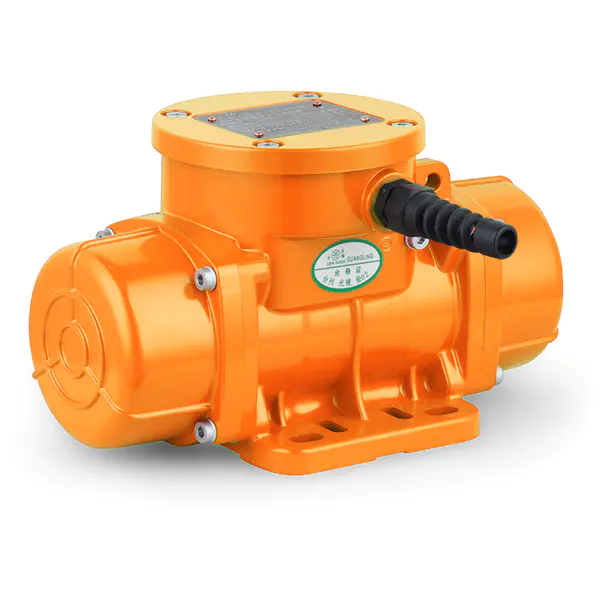
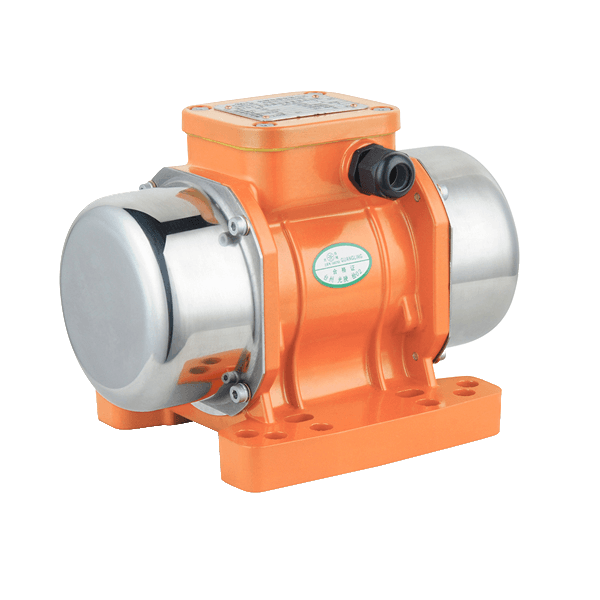
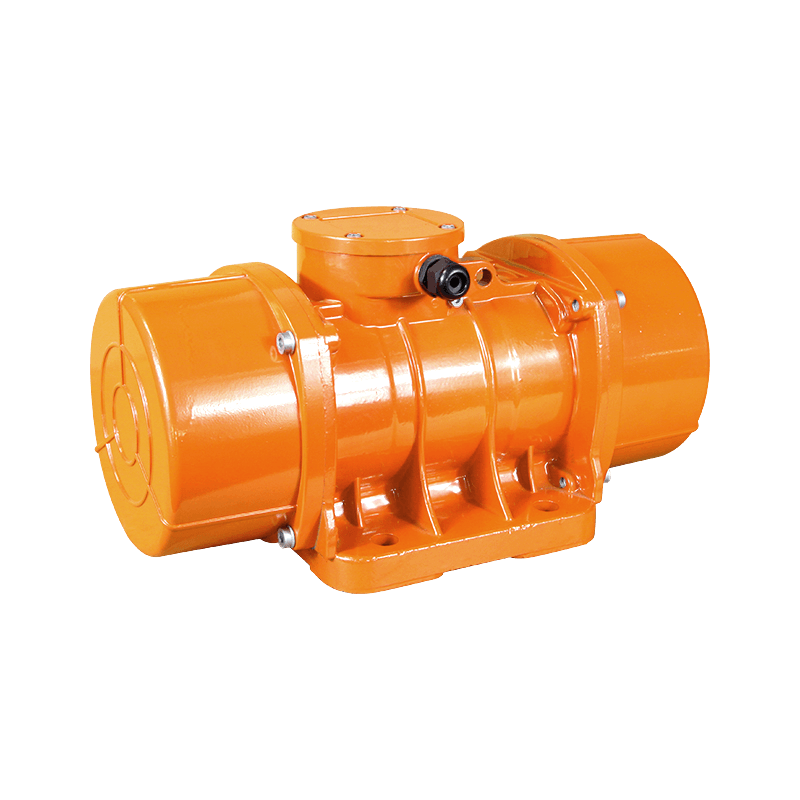
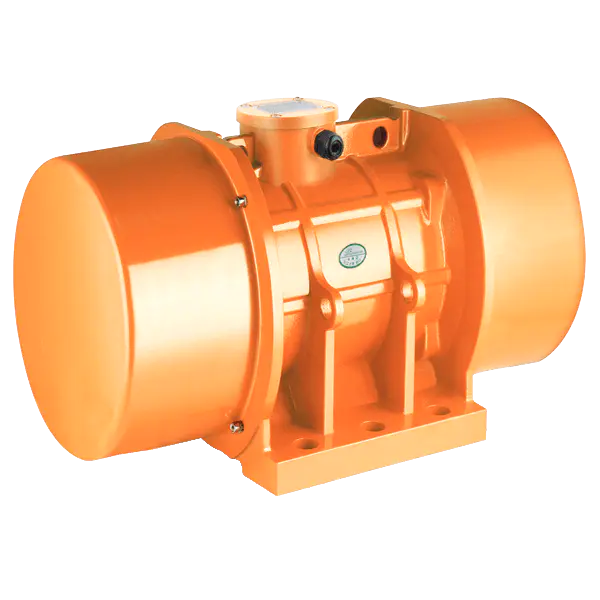
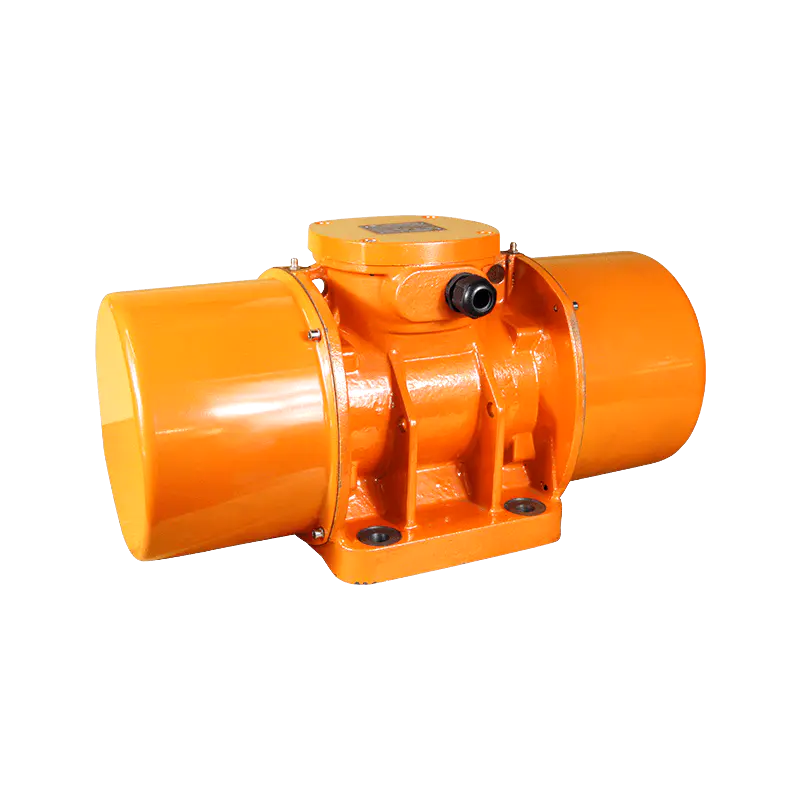
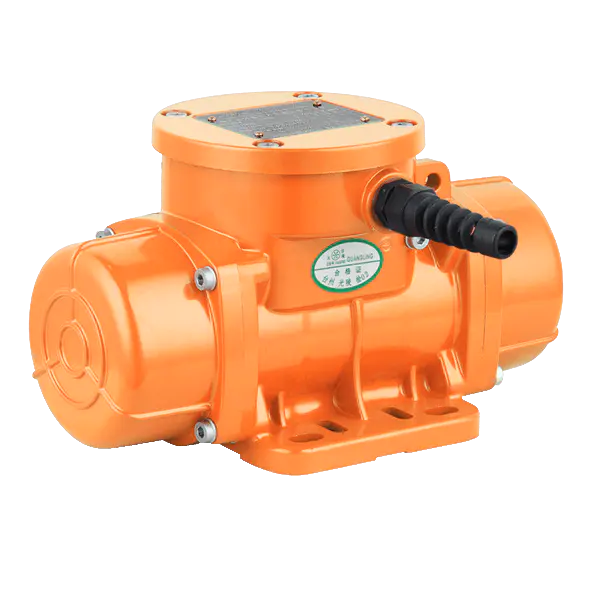
For efficient material handling, we recommend the Single Phase (220V) 2 Poles 3000rpm 50Hz A Series from Zhejiang Guangling Vibrating Technology Co., Ltd. This vibrator motor delivers consistent 3000rpm output, ideal for vibrating screens, feeders, tables, and hoppers. The single-phase 220V design allows easy connection in workshops or facilities without three-phase power. Its two-pole construction provides balanced vibration force, while the sealed housing protects against dust and moisture. Compact and low-maintenance, this motor improves bulk material flow and prevents clogging. superb for food processing, mining, recycling, or chemical industries.


 Tel: + 86-576-86320988
 Fax: + 86-576-86333217
 E-mail:
  Add: Dayangcheng Industrial Zone, daxi, wenling, zhejiang, china
