

 英语
 葡萄牙语
 西班牙语
 русский
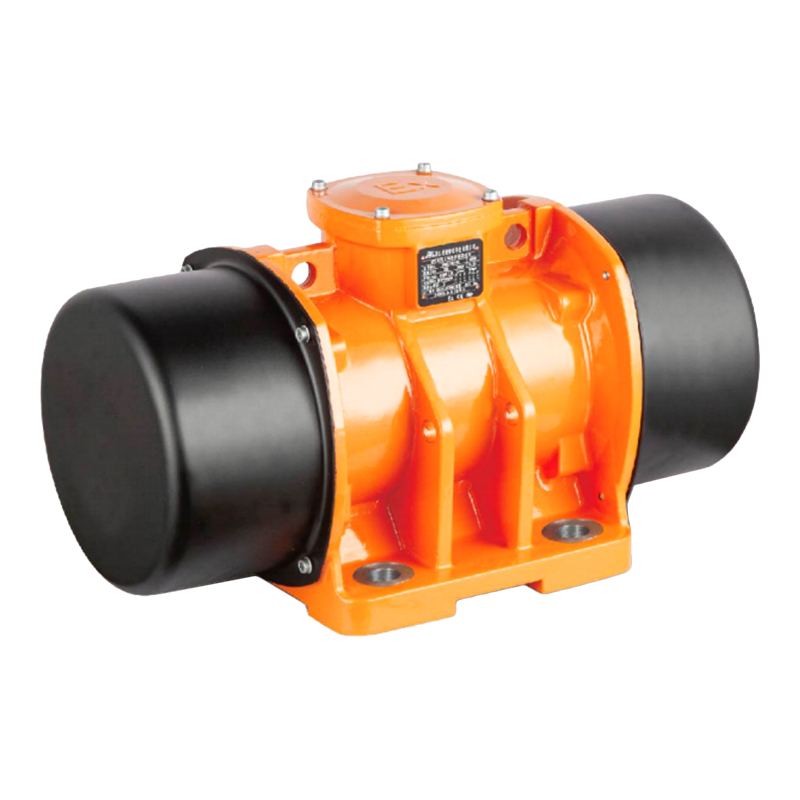
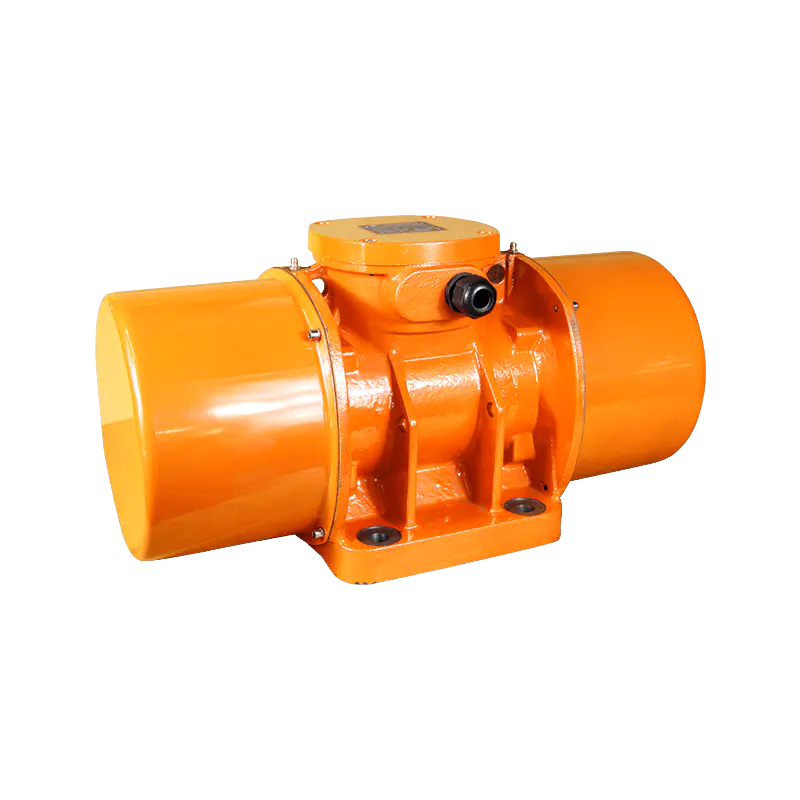
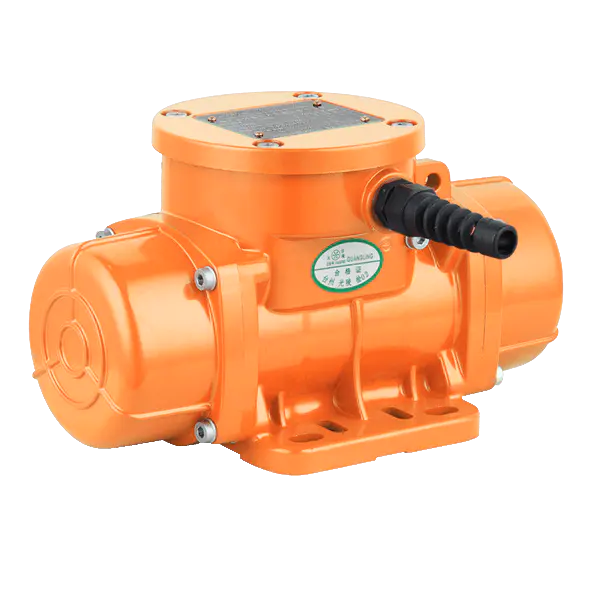
In bulk material handling, vibration helps solve a common production problem: materials do not always move smoothly through hoppers, chutes and feeding equipment. Powders may accumulate, granules may bridge across outlets, and materials can remain attached to internal surfaces. An Electrical Vibrator Motor generates mechanical vibration to support material movement, but its effectiveness depends on installation position, equipment structure and material characteristics.
For equipment manufacturers and industrial buyers, understanding these factors is important when selecting vibration equipment for mining, chemical processing, conveying and material storage applications.
How Installation Position Affects Vibration
An industrial vibration motor generates centrifugal force through eccentric weights attached to its rotating shaft. As the shaft turns, the unbalanced mass produces vibration that transfers through the motor housing into the supporting equipment.
The resulting movement depends on exciting force, mounting arrangement and the mechanical characteristics of the machine. A motor installed on a hopper wall transfers vibration through the hopper structure, while a motor mounted on a screening machine contributes to the movement of the screening assembly.
Mounting position should therefore be considered during equipment planning. Support plate thickness, frame rigidity, fixing arrangements and vibration direction all influence the operating result. An Electrical Vibrator Motor selected without considering these factors may not provide the required material movement.
Matching Motor Applications to Equipment Types
Different machines require different vibration arrangements. A hopper needs assistance with material discharge, while a screening machine requires controlled movement across its screening surface.
|
Equipment Type |
Main Material Handling Requirement |
Selection Consideration |
|
Hopper and silo |
Reduce material accumulation |
Mounting surface and exciting force |
|
Vibrating feeder |
Maintain controlled material movement |
Feed rate and equipment structure |
|
Vibrating screen |
Separate materials across the screen |
Vibration direction and operating frequency |
|
Vibrating conveyor |
Transport bulk materials |
Conveyor structure and load conditions |
|
Concrete equipment |
Support concrete compaction |
Equipment configuration and vibration output |
These applications do not share identical motor requirements. Material density, moisture content, particle size and equipment dimensions influence the required vibration arrangement.
For example, a Vibrating Feeder Motor must correspond to the feeder's structure and material delivery requirements. A screening application may require a different configuration because the movement of material across the screen is the primary operating objective.
Electrical Configurations and Operating Requirements
Zhejiang Guangling Vibrating Technology Co., Ltd. offers two-pole, four-pole, six-pole and eight-pole three-phase series, alongside single-phase and direct-current options.
Its product range includes three-phase 220V and 380V configurations, single-phase 220V models, and DC 12V and 24V versions. Available speed options include 750, 1,000, 1,200, 1,500, 1,800, 3,000 and 3,600 RPM, depending on the model and frequency.
When sourcing an Electrical Vibrator Motor, buyers should check voltage, frequency, phase and rotational speed against the equipment requirements. Special electrical configurations can also be discussed with the manufacturer.
An Industrial Vibration Motor should be evaluated according to both its electrical specifications and the mechanical demands of the application. Rated power alone does not establish whether a particular model is suitable for a machine.
Equipment Structure and Vibration Transmission
The same motor may produce different operating results when installed on equipment with different structural characteristics. A flexible support can respond differently from a rigid steel frame. Mounting position and the connection between the motor and equipment also influence vibration distribution.
For hopper applications, the objective is to transfer suitable vibration to the relevant wall section without overlooking structural limitations. For screening equipment, the motor arrangement needs to correspond to the required movement across the screening surface.
A Vibrating Feeder Motor also needs to work with the feeder's supporting structure and material load. Buyers should consider these mechanical conditions before finalizing motor specifications rather than selecting equipment based on rated power alone.
Guangling's Manufacturing and Product Range
Zhejiang Guangling Vibrating Technology Co., Ltd. is based in Wenling, Zhejiang Province. The company traces its industry experience to 2000 and operates a manufacturing facility covering approximately 20,000 square metres.
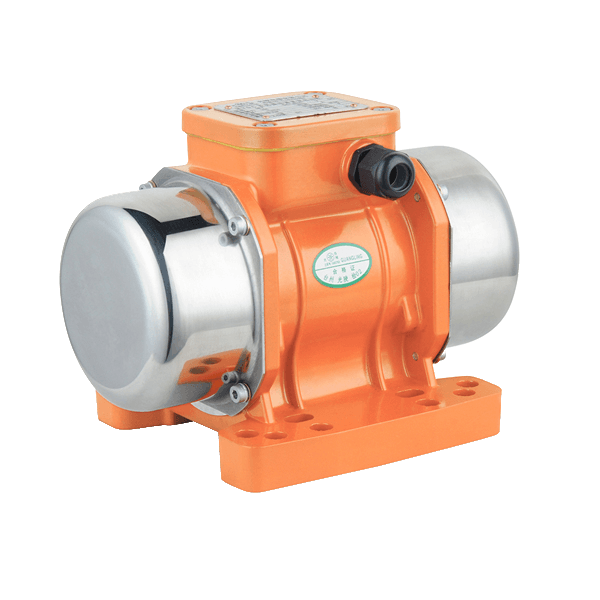
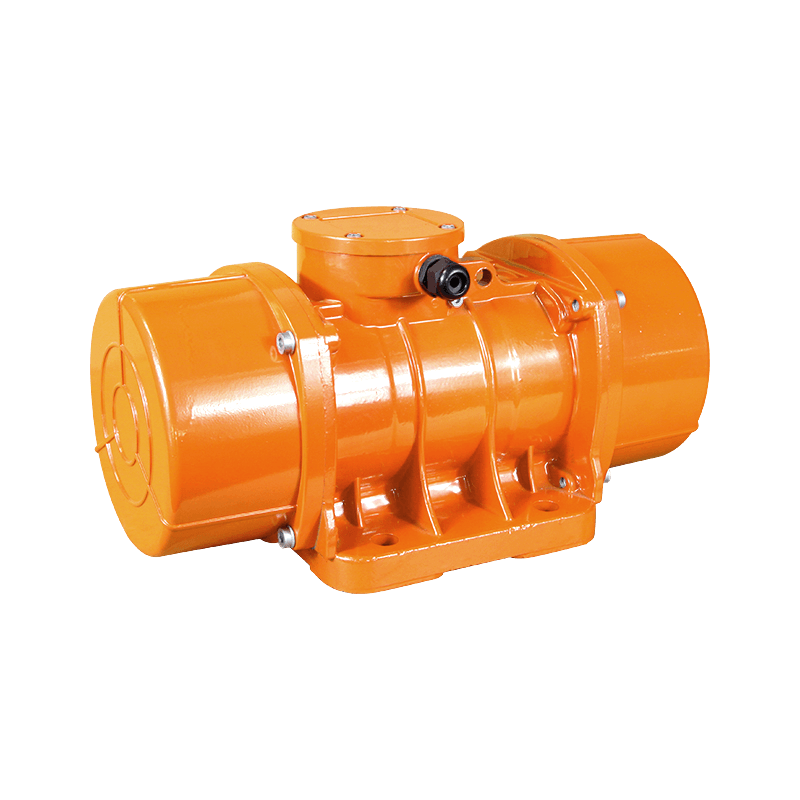
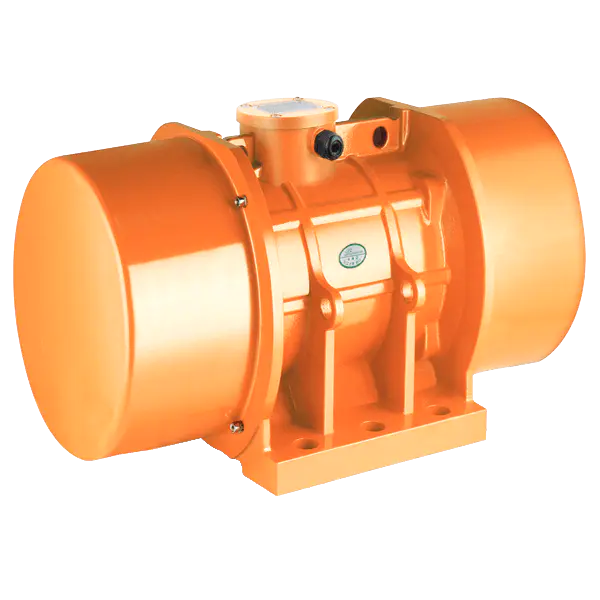
Its product range includes standard vibration motors, explosion-proof models, micro vibration motors, DC vibrator motors, external concrete vibrators and internal concrete vibrators. Different electrical configurations and speed options serve various industrial machinery applications.
For international distributors and equipment manufacturers, this range provides options across several vibration equipment categories. The company's manufacturing experience also supports discussions involving different motor configurations and application requirements.
Details to Confirm Before Purchasing
Before ordering an Electrical Vibrator Motor, buyers should confirm the application, electrical supply, operating speed, required exciting force, mounting dimensions and working environment.
Dust, moisture and other site conditions should also be considered when determining the appropriate motor configuration. For customized requirements, equipment drawings and installation details can help the manufacturer identify relevant specifications.
An Electrical Vibrator Motor should be selected as part of the complete machinery system. Matching its electrical configuration and vibration characteristics with equipment structure and material handling requirements provides a clearer basis for industrial purchasing.


 Tel: + 86-576-86320988
 Fax: + 86-576-86333217
 E-mail:
 Add: Dayangcheng Industrial Zone, daxi, wenling, zhejiang, china
