

 英语
英语 葡萄牙语
葡萄牙语 西班牙语
西班牙语 русский
Equipment designers specifying vibration components for battery-powered or mobile machinery keep running into the same practical concern: how does a DC vibration motor actually hold up under continuous operation compared to the AC units this category traditionally relied on? Sourcing teams supplying feeders, compactors, and portable screening equipment increasingly need answers grounded in brush wear, thermal management, and eccentric weight tuning rather than a single voltage rating on a spec sheet.
Brush Wear and Duty Cycle Limits
Brushed DC motors dominate the lower end of this category because they cost less to produce and control speed easily through simple voltage adjustment, but brush wear sets a practical ceiling on continuous duty that brushless alternatives avoid. A DC vibration motor running brushed construction typically needs brush replacement well before the bearings or windings show comparable wear, and buyers specifying equipment for around-the-clock operation increasingly request brush life ratings in operating hours rather than accepting a generic service interval.
Brushless DC designs shift this trade-off toward higher upfront cost in exchange for a duty cycle that more closely matches continuous industrial use. Equipment manufacturers building compactors or continuous-feed systems increasingly specify brushless DC vibration motor units for exactly this reason, accepting the added electronics cost of a controller in exchange for eliminating the recurring brush maintenance that brushed units require.
|
Motor Type |
Duty Cycle Fit |
Maintenance Consideration |
|
Brushed DC |
Intermittent to moderate duty |
Periodic brush replacement |
|
Brushless DC |
Continuous duty |
Controller electronics, minimal brush service |
|
Low-voltage (12V-24V) |
Portable, battery-powered equipment |
Compact size, lower force output |
|
Higher-voltage DC |
Fixed industrial installations |
Greater force output, larger frame |
Eccentric Weight Adjustment and Force Output
Vibration force on a DC vibration motor comes from an adjustable eccentric weight mounted on the shaft rather than the motor winding itself, and this weight adjustment gives equipment designers a way to tune output force without swapping the motor entirely. Widening the eccentric weight angle increases force output at the cost of higher current draw, which matters considerably on battery-powered equipment where current draw directly limits runtime between charges.
Bearing selection ties closely to this force output question, since a motor tuned toward maximum eccentric force places proportionally higher radial load on its bearings. Manufacturers producing an industrial vibration motor for demanding continuous-duty applications increasingly specify sealed, pre-lubricated bearings rated for the specific radial load a fully adjusted eccentric weight generates, rather than relying on a generic bearing rating that assumes lighter, intermittent use.
Thermal Management in Compact Designs
Heat buildup inside a compact motor housing limits continuous operation more often than a single electrical component failing outright. A DC vibration motor running at sustained high current in a sealed housing needs winding insulation rated for the internal temperature rise that continuous operation produces, and equipment designers increasingly request thermal rise curves at rated voltage rather than assuming a motor's voltage rating alone guarantees safe continuous operation.
Housing material affects this thermal picture directly. Aluminum housings dissipate heat more effectively than plastic alternatives, so continuous-duty applications favor metal-housed units even at a higher unit cost, while intermittent-use equipment can tolerate a lighter plastic housing without triggering thermal shutdown during normal operation.
IP Rating and Environmental Sealing
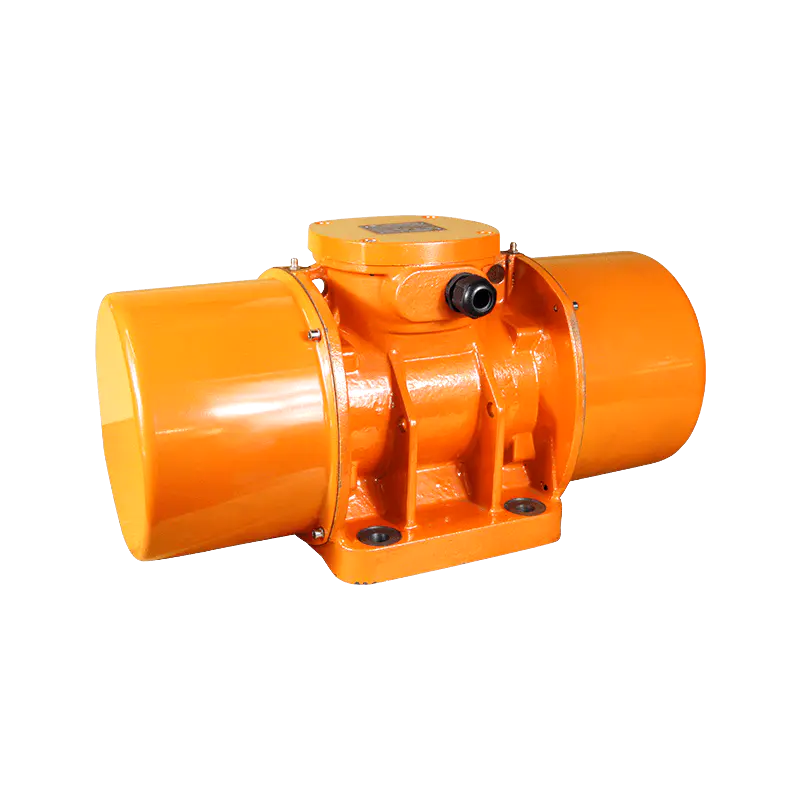
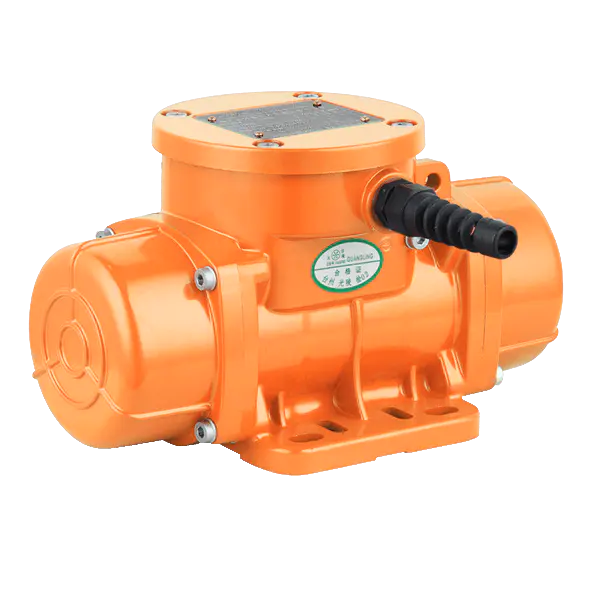
Dust and moisture ingress present a separate reliability concern from thermal management, particularly for equipment operating in mining, aggregate processing, or outdoor construction environments. An eccentric vibration motor rated IP65 or higher protects internal windings and bearings from fine particulate that would otherwise accelerate wear well beyond what a clean indoor environment produces, and buyers sourcing equipment for these harsher settings increasingly treat IP rating as a baseline requirement rather than a premium specification.
Cable and connector sealing deserves equal attention alongside the motor housing itself, since a well-sealed motor body paired with an unsealed cable entry point still lets moisture reach internal windings through the path of least resistance.
Sourcing Considerations for OEM Programs
Equipment manufacturers integrating a DC vibration motor into a larger machine design increasingly request documented test data covering duty cycle limits, thermal rise, and bearing life under rated load rather than a standard datasheet alone. Guangling, working within this category, structures its motor lineup around these documented performance figures, giving OEM buyers a technical reference to match against actual application requirements instead of a generic voltage and force specification.


 Tel: + 86-576-86320988
 Fax: + 86-576-86333217
 E-mail:
  Add: Dayangcheng Industrial Zone, daxi, wenling, zhejiang, china
