

 英语
英语 葡萄牙语
葡萄牙语 西班牙语
西班牙语 русский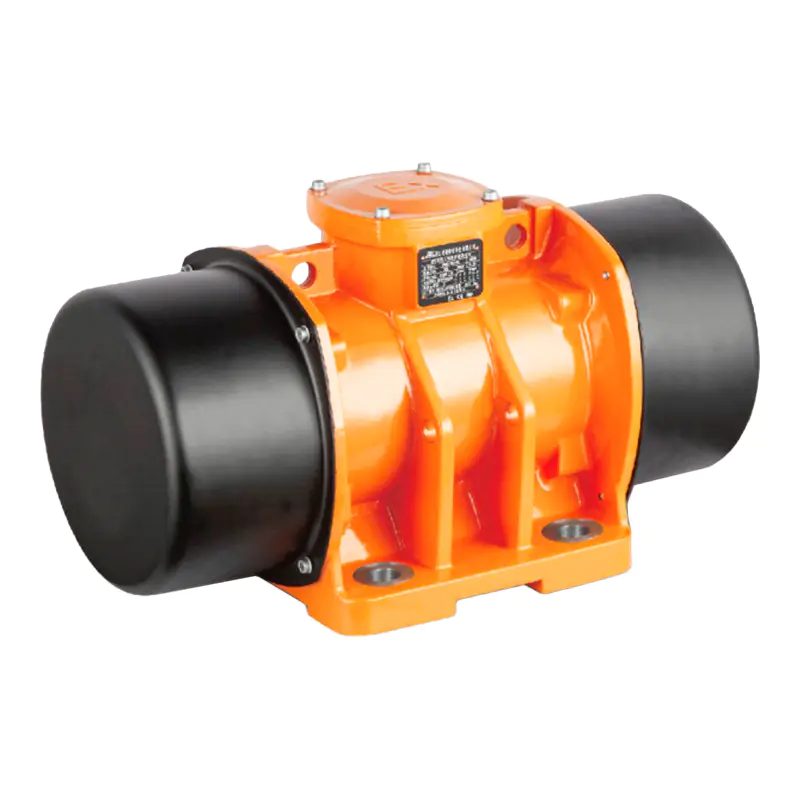
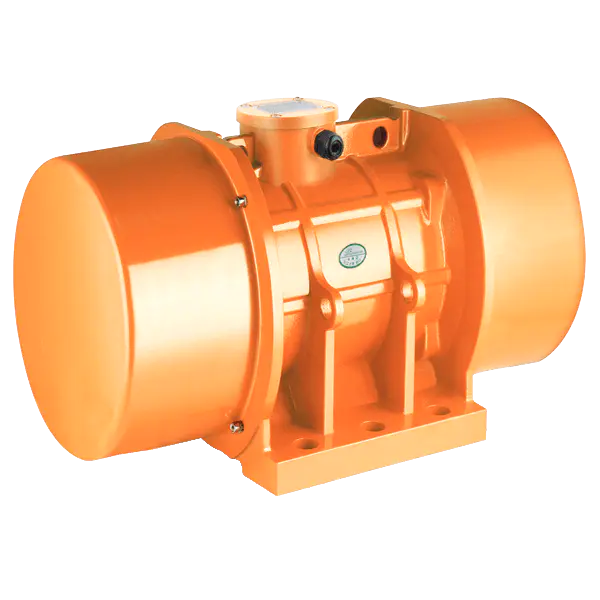
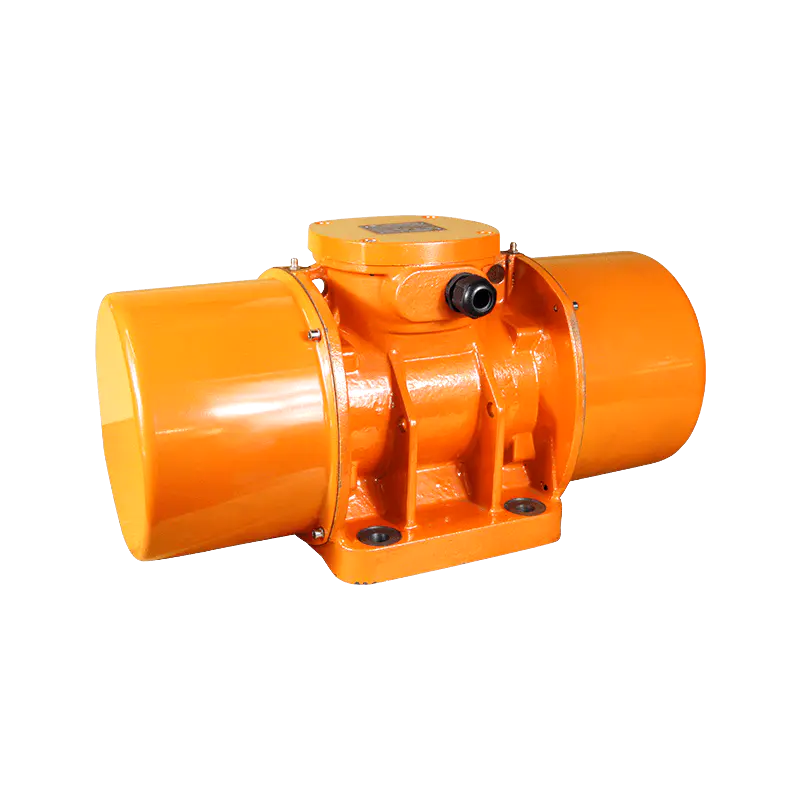
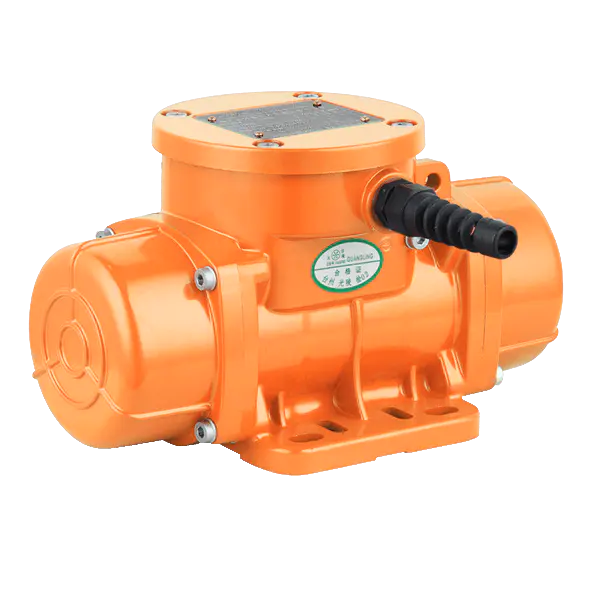
Bocking making vibrator motor performance is often discussed in terms of vibration force, yet engineers working with brick production lines usually pay attention to something else first—whether the vibration remains consistent throughout an entire production shift. A motor that performs well during the first hour but gradually loses stability can influence block density, mould filling, and production efficiency long before any visible mechanical failure appears.
For manufacturers, vibration consistency has become an important part of brick production equipment because every vibration cycle contributes to concrete compaction and dimensional stability. Properly controlled vibration helps remove trapped air and improve material density during the forming process.
Concrete Mixes Do Not Always Behave The Same
The motor itself does not determine the final block quality.
Different concrete mixes respond differently to vibration.
A wetter mixture may settle quickly.
A drier mixture often requires more controlled compaction.
Even when production uses the same mould, changes in aggregate size or moisture can alter how vibration travels through the material.
Because of this, a bocking making vibrator motor is evaluated together with the production process rather than as an independent component.
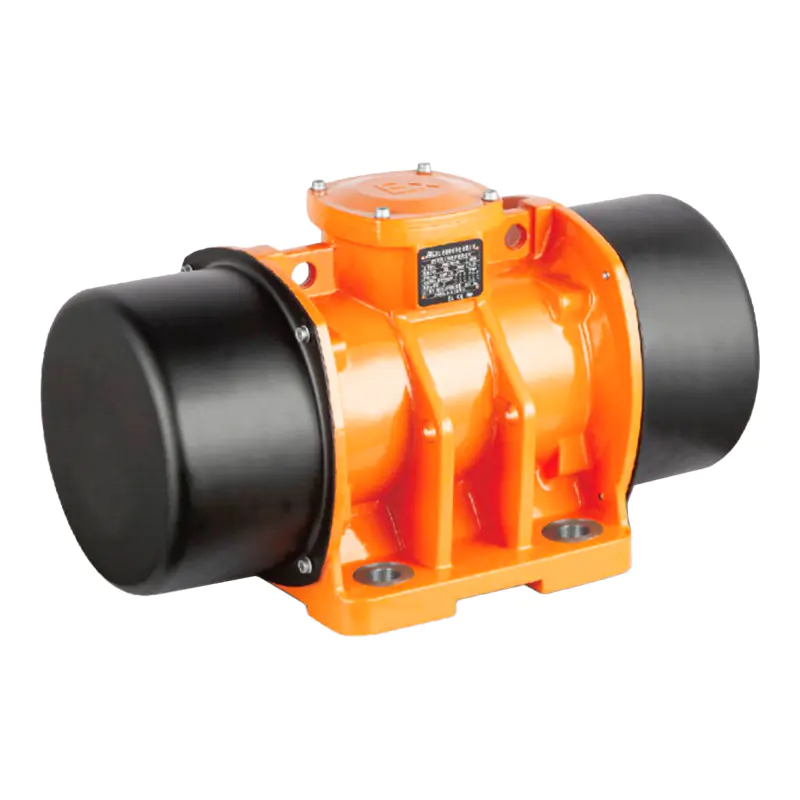
Stable Vibration Supports Consistent Blocks
Block-making machines repeat the same movement thousands of times every day.
Small changes become easier to notice over time.
One mould may begin filling unevenly.
Another may release blocks with slightly different surface finishes.
Instead of immediately replacing equipment, technicians often examine whether the vibration output remains stable under continuous operation.
For many production managers, this is one of the first checks performed on brick production equipment.
Installation Influences Working Efficiency
Even a properly manufactured motor depends on correct installation.
- Mounting bolts.
- Base alignment.
- Frame rigidity.
These details affect how vibration is transferred into the mould rather than being absorbed by the machine structure.
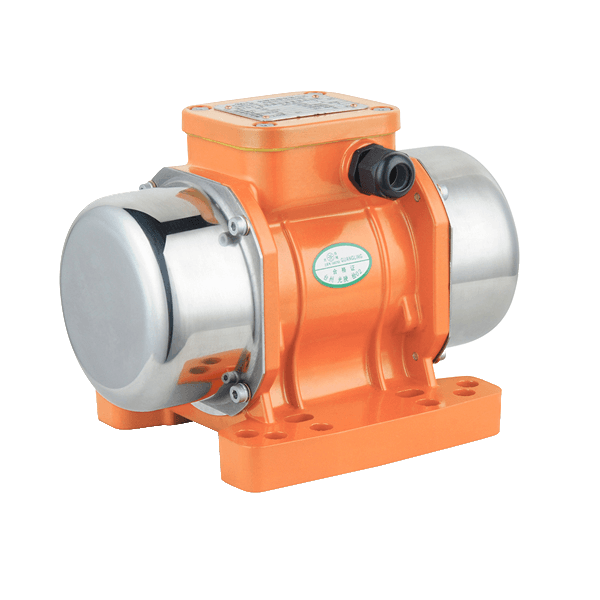
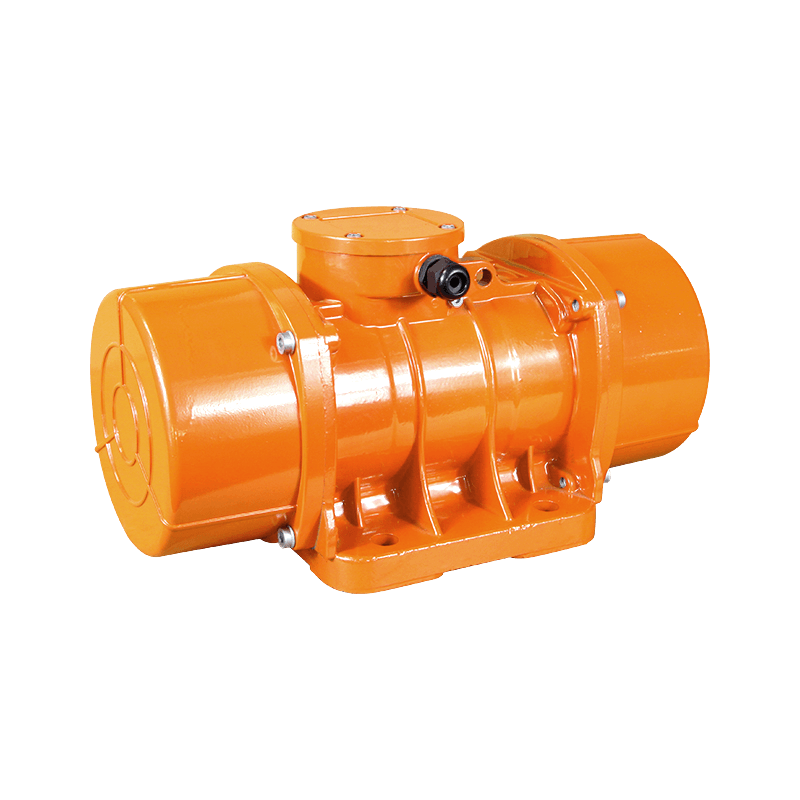
Industrial vibration motors are normally installed on rigid mounting points so vibration energy reaches the intended working area efficiently.
Typical Areas Engineers Observe
Rather than judging performance by one measurement, maintenance teams usually observe several operating conditions.
|
Inspection Area |
What Is Observed |
Production Impact |
|
Mounting condition |
Bolt tightness |
Vibration transfer |
|
Running stability |
Continuous vibration |
Compaction consistency |
|
Operating temperature |
Heat during long shifts |
Reliable operation |
|
Routine inspection |
Daily condition checks |
Reduced downtime |
These observations help determine whether a bocking making vibrator motor continues supporting normal production instead of waiting until a fault interrupts the line.
Continuous Operation Creates Different Challenges
Laboratory testing usually lasts a limited time.
Brick production is different.
Machines often operate for many hours with only short pauses between production cycles.
Under these conditions, stable vibration becomes more valuable than occasional high vibration force.
This is one reason maintenance schedules for brick production equipment increasingly focus on preventive inspection rather than emergency repair.
Maintenance Begins With Small Changes
Unexpected failures rarely appear without warning.
Operators may first notice a different sound.
A slight change in vibration.
Looser mounting hardware.
Higher operating temperature.
These small changes often encourage routine inspection before they develop into production interruptions.
Regular checks on fasteners, electrical connections, and operating condition are widely recommended for industrial vibration motors working under continuous-duty conditions.
Reliable Production Depends On Consistency
During a normal working day, thousands of vibration cycles take place without attracting much attention.
That is usually a positive sign.
When vibration remains predictable, mould filling, material compaction, and block formation become easier to manage throughout the production schedule.
For many factories, a bocking making vibrator motor is valued less for producing strong vibration than for producing the same vibration repeatedly. That consistency allows brick production equipment to maintain stable output from one production batch to the next, even as operating conditions gradually change throughout the day.


 Tel: + 86-576-86320988
 Fax: + 86-576-86333217
 E-mail:
  Add: Dayangcheng Industrial Zone, daxi, wenling, zhejiang, china
