

 英语
英语 葡萄牙语
葡萄牙语 西班牙语
西班牙语 русский
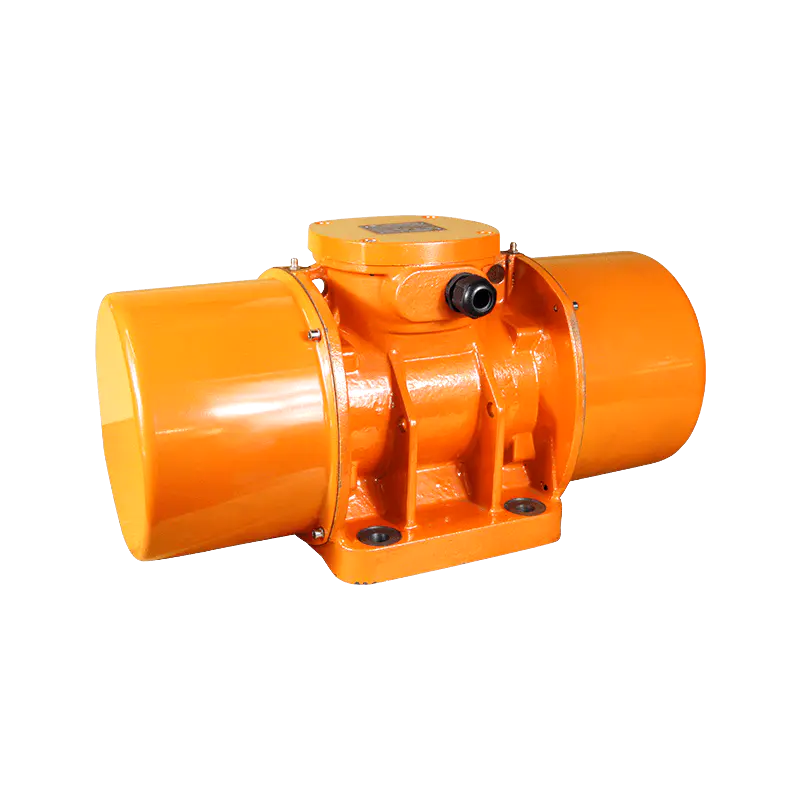
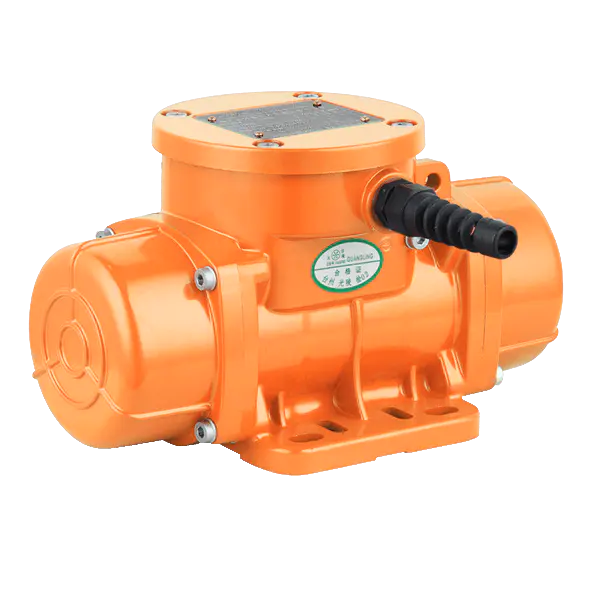
A vibrating motor for concrete table does more than simply shake wet concrete during production.
Inside precast workshops, operators often notice that two concrete panels made from the same mix can still show different surface density after demolding. One section may look compact and uniform, while another develops small edge voids or uneven texture near the corners.
In many cases, the difference begins with how vibration energy moves across the table itself.
Actually, concrete consolidation problems sometimes come from vibration distribution rather than from the concrete mix alone.
Table Structure Changes How Vibration Spreads
A vibrating motor for concrete table transfers oscillating force into the steel platform underneath the mold. The challenge is that vibration does not spread evenly across every section of the table surface.
Longer tables, welded reinforcement frames, and uneven mold placement may all change how energy travels during operation. Some areas receive stronger consolidation while other sections experience weaker movement. Corner sections are especially sensitive because vibration gradually weakens as it travels farther away from the motor position.
This is one reason operators producing paving slabs, drainage channels, or decorative concrete panels sometimes notice different surface textures appearing in different mold positions even during the same production batch.
Stronger Vibration Does Not Always Improve Density
Inside concrete production, stronger vibration does not automatically create better compaction.
If a vibrating motor for concrete table runs too aggressively, larger aggregate particles may begin settling unevenly while excess cement slurry rises toward the surface. The concrete can appear smooth externally while small internal voids remain trapped underneath.
Experienced operators usually watch how quickly air bubbles escape near mold edges instead of simply increasing vibration intensity. In some workshops, reducing vibration time slightly produces more stable results than extending the cycle longer.
Actually, over-vibration often appears first near thinner mold sections where concrete movement becomes easier.
Mold Position Influences Air Release
A vibrating motor for concrete table behaves differently depending on where molds sit across the platform.
Heavy molds absorb vibration energy differently from shallow forms, and uneven mold placement may cause one side of the table to transfer force differently than the other. Even small spacing changes between molds can influence how trapped air escapes during consolidation.
In precast factories handling multiple mold sizes at the same time, operators sometimes reposition molds between production runs after noticing recurring density variation near specific corners or edges.
Actually, some surface defects repeat in the same table location rather than in the same mold design.
Moisture And Temperature Quietly Change Vibration Response
The same vibrating motor for concrete table may produce different consolidation behavior during morning and afternoon shifts.
Concrete temperature, water content, and mixing consistency all influence how the material reacts under vibration. In warmer environments, the mix may flow faster and release trapped air more easily. Colder or drier mixes often remain stiffer, especially around reinforcement areas and mold corners.
Because of this, experienced workers often adjust vibration rhythm based on the visual movement of the concrete surface rather than relying only on fixed timing settings.
Actually, many operators can judge whether vibration is sufficient simply by watching how the slurry settles near the mold perimeter.
Mounting Stability Affects Long-Term Consistency
The performance of a vibrating motor for concrete table also depends heavily on how securely the motor connects to the table frame.
After long production cycles, small structural movement may begin developing around the mounting area. Operators usually notice the vibration sound changing first, followed by uneven material movement across certain sections of the table. In some cases, bolts near the motor base require tightening more frequently as the frame absorbs continuous oscillating stress.
These changes often happen gradually, which makes them easy to overlook during busy production periods.
Actually, inconsistent vibration transfer sometimes starts from frame fatigue rather than from the motor itself.
Concrete Surface Quality Depends On Energy Distribution
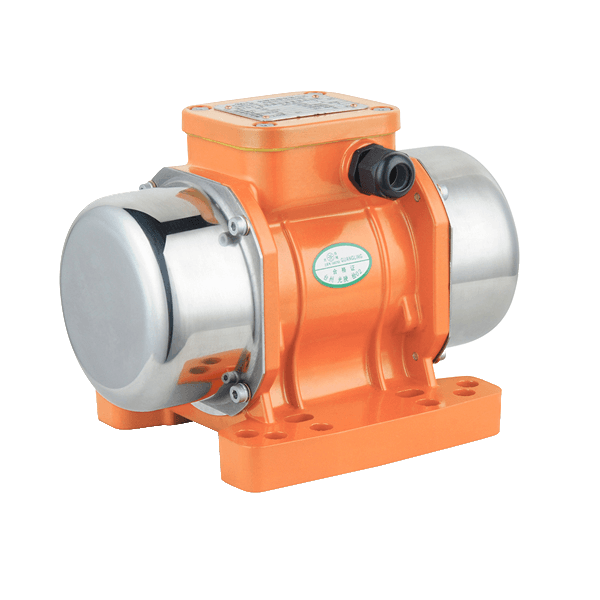
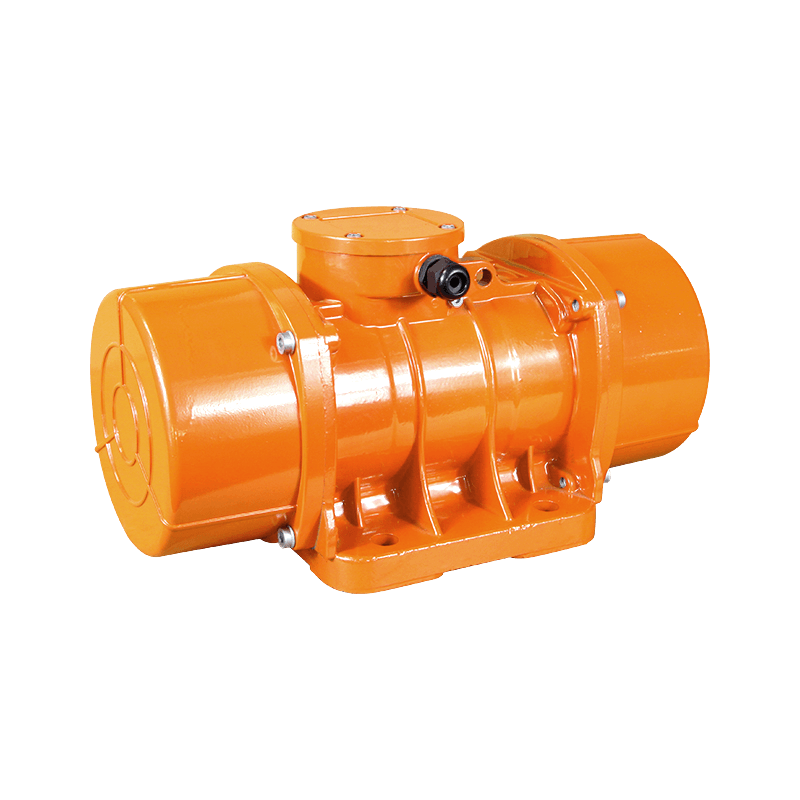
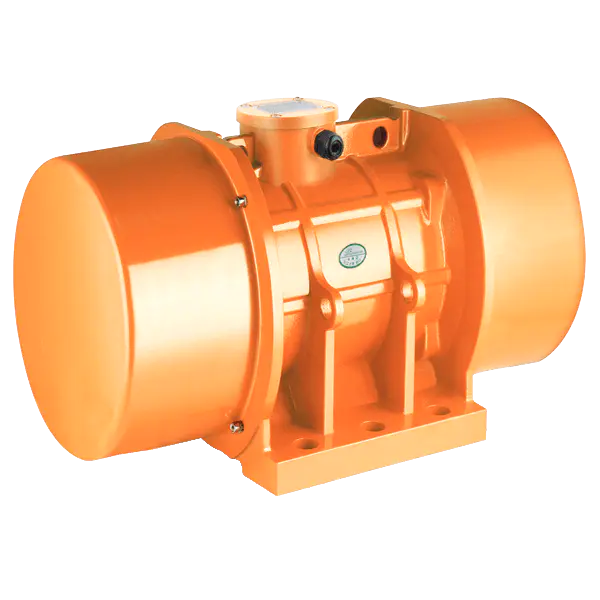
To outside observers, a vibrating motor for concrete table mainly appears to be a compact industrial motor mounted beneath a steel platform.
Inside real precast production, however, concrete density depends on how vibration energy spreads through the table, how the molds absorb movement, and how the mix reacts during the short period before initial setting begins.
The difficult part is not generating vibration.
It is keeping the vibration balanced enough for trapped air to escape evenly across the entire mold before the concrete starts losing its flowability.


 Tel: + 86-576-86320988
 Fax: + 86-576-86333217
 E-mail:
  Add: Dayangcheng Industrial Zone, daxi, wenling, zhejiang, china
