

 英语
英语 葡萄牙语
葡萄牙语 西班牙语
西班牙语 русский
A three phase vibration motor usually attracts attention only after the vibration pattern starts changing.
At first, operators may notice uneven material movement on the feeder surface, unusual shaking during startup, or a slight increase in operating noise. The motor itself may still rotate normally, which makes troubleshooting difficult in the early stage.
Inside industrial vibration systems, however, small electrical imbalance often affects mechanical behavior long before complete failure appears.
Actually, some vibration instability problems begin from power conditions rather than from the vibration mechanism itself.
Phase Imbalance Changes Vibration Rhythm
A three phase vibration motor depends on balanced electrical input to maintain stable rotating force.
When voltage or current differs slightly between phases, the motor no longer generates perfectly symmetrical rotational behavior. Because vibration motors already operate under continuous oscillating load, even small imbalance may influence how force transfers through the machine frame.
Operators sometimes first notice:
unstable material flow
irregular vibration sound
inconsistent startup behavior
changing vibration amplitude
rising housing temperature
Actually, vibration systems often reveal electrical imbalance earlier than standard motors because the equipment itself amplifies small changes in force distribution.
Heavy Material Load Affects Current Stability
Under no-load conditions, a three phase vibration motor may appear completely normal.
Once production begins, material weight changes the dynamic resistance acting on the vibration system. Wet material, uneven feeding, or accumulated product inside the machine can alter motor loading continuously during operation.
This becomes especially noticeable in screening equipment, hoppers, mining systems, and powder conveying lines where material density changes throughout the working cycle.
Actually, some motors only develop overheating problems after several hours because the load condition gradually becomes less balanced over time.
Mounting Rigidity Influences Electrical Stress
Most people think mechanical installation and electrical performance are separate issues.
With a three phase vibration motor, they are closely connected. If the mounting structure flexes excessively during operation, the motor experiences constantly changing mechanical resistance. This variation can affect current stability across the three phases during continuous running.
Over time, technicians may observe higher operating current, stronger vibration fluctuation, or shortened bearing life even though the power supply itself remains stable.
Actually, unstable support structures sometimes create electrical symptoms that look like motor winding problems.
Heat Builds Faster Than Expected
Unlike ordinary drive motors, a three phase vibration motor continuously produces oscillating force while rotating under eccentric load.
This creates additional internal stress around the bearings and stator windings. If ventilation becomes restricted by dust buildup or nearby equipment, internal temperatures may rise gradually during long operating cycles.
In industrial environments handling cement, aggregate, grain, or recycling material, heat accumulation often develops slowly because fine particles reduce airflow around the motor housing.
Actually, many vibration motors fail after long-term thermal stress instead of sudden overload events.
Startup Frequency Quietly Reduces Lifespan
A three phase vibration motor experiences its highest electrical stress during startup.
In systems where operators repeatedly stop and restart equipment throughout the day, the motor faces continuous inrush current and sudden eccentric loading. Over time, this repeated stress affects winding insulation, bearing condition, and fastener stability simultaneously.
Technicians often notice that motors running continuously sometimes last significantly longer than motors operating under frequent start-stop cycles, even under similar production loads.
Actually, vibration systems with unstable production scheduling often experience more maintenance problems than continuously operating lines.
Vibration Systems Depend On More Than Motor Size
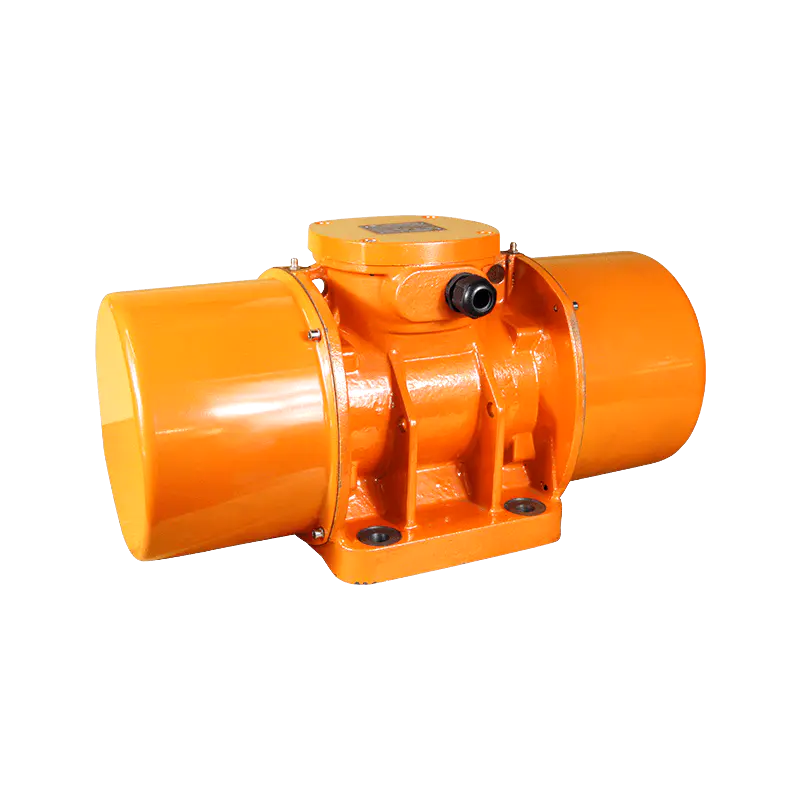
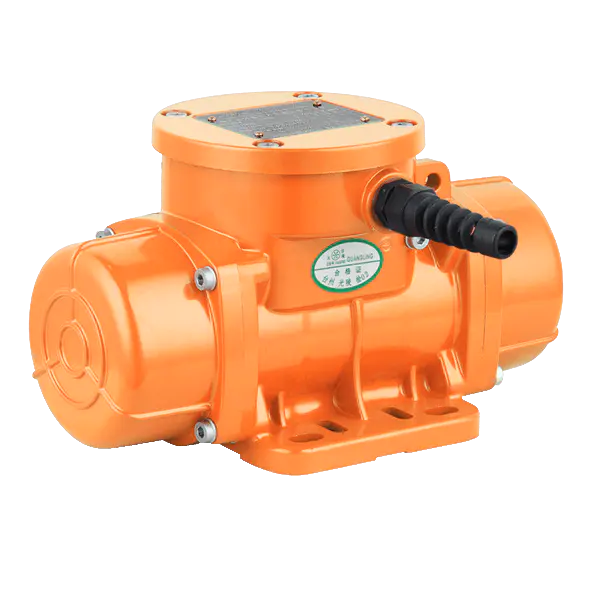
To outside users, a three phase vibration motor mainly appears to be a compact industrial motor with adjustable eccentric blocks attached to the shaft.
Inside real industrial applications, however, long-term stability depends on electrical balance, structural rigidity, heat control, startup frequency, and material loading all interacting together during operation.
The difficult part is not generating vibration.
It is keeping the vibration stable after thousands of operating hours where electrical stress and mechanical force continuously influence each other inside the same system.


 Tel: + 86-576-86320988
 Fax: + 86-576-86333217
 E-mail:
  Add: Dayangcheng Industrial Zone, daxi, wenling, zhejiang, china
