

 英语
英语 葡萄牙语
葡萄牙语 西班牙语
西班牙语 русский
An industrial shaker motor may continue running for months even after early vibration problems have already started developing inside the system.
At first, operators usually notice small changes — slightly louder noise during startup, bolts requiring more frequent tightening, or uneven material movement across the equipment surface. Because the motor itself still rotates normally, these signs are often ignored until cracks, unstable vibration, or bearing damage eventually appear.
Inside industrial screening and conveying systems, mounting stress quietly affects motor behavior far more than many people expect.
Actually, some vibration problems blamed on motor quality begin from installation conditions outside the motor itself.
Uneven Mounting Surfaces Change Vibration Transfer
An industrial shaker motor does not operate like a standard rotating motor.
Its purpose is to generate controlled vibration continuously through eccentric force. Because of this, the flatness and rigidity of the mounting surface directly affect how vibration transfers into the equipment frame.
If the installation base contains slight deformation or welding stress, the motor housing may experience uneven loading during operation. Over time, this changes how force distributes through the bearings and shaft system.
This problem appears frequently on vibrating screens, feeder systems, compactors, and bulk material conveyors where the machine frame itself already carries continuous dynamic load.
Actually, two identical motors can behave very differently depending on the rigidity of the supporting structure underneath.
Bolt Loosening Usually Starts Gradually
Inside high-vibration environments, fastening systems experience repeated cyclic stress every second during operation.
With an industrial shaker motor, mounting bolts may slowly lose preload because vibration continuously changes force direction during startup and shutdown cycles. Even slight loosening allows micro-movement between the motor and mounting plate.
Technicians often notice abnormal frame noise, changing vibration rhythm, or uneven material flow long before obvious motor failure happens.
Actually, some motors fail prematurely not because of overload, but because small mounting movement transfers additional stress into the bearing system for long periods.
Material Load Influences Motor Stability
An industrial shaker motor may run smoothly when equipment is empty, then behave differently once production begins.
Bulk material weight changes the vibration response of the entire machine structure. Wet material, uneven loading, or partial blockage can alter how vibration energy travels across the equipment body.
In mining, recycling, grain processing, and powder handling systems, operators often adjust vibration behavior depending on how material density changes during actual production.
Actually, unstable vibration patterns often appear only under real operating loads rather than during initial installation testing.
Heat Build-Up Changes Bearing Conditions
Unlike standard drive motors, an industrial shaker motor continuously operates under oscillating mechanical force.
This creates additional internal stress around the bearings because the shaft experiences repeated vibration loading while rotating. If ventilation becomes restricted by dust or surrounding equipment, internal temperatures may rise gradually during long operating cycles.
Over time, technicians may observe grease breakdown, rising housing temperature, or increasing bearing noise even though the motor still appears operational externally.
Actually, heat-related bearing problems often develop quietly long before complete bearing failure becomes visible.
Vibration Systems Depend On The Whole Structure
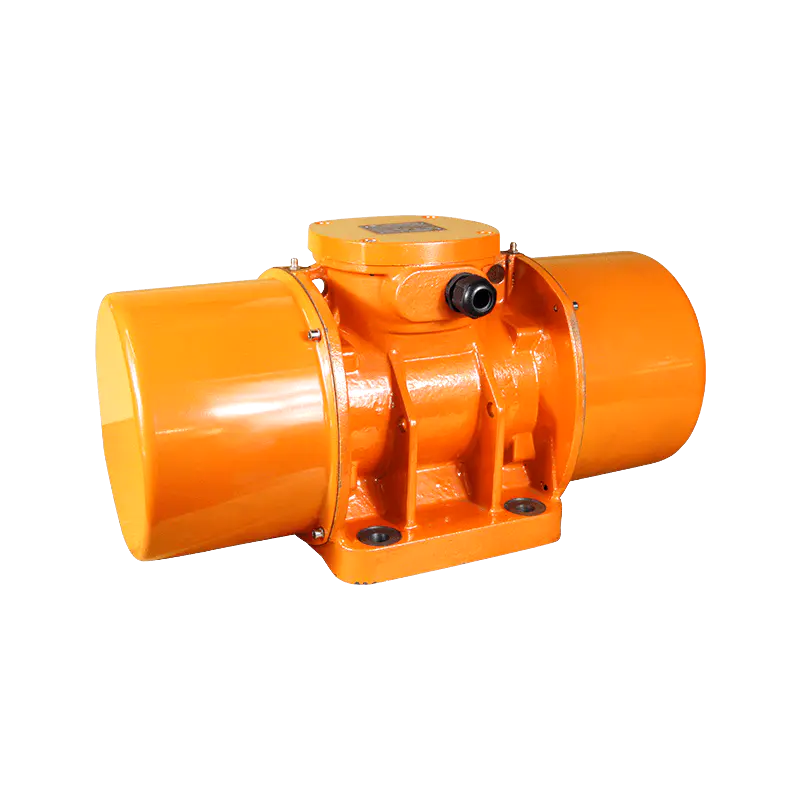
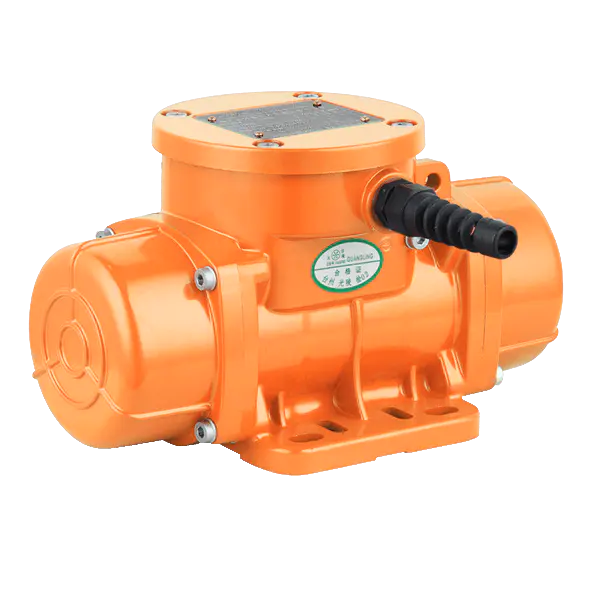
To outside observers, an industrial shaker motor mainly appears to be a compact motor with eccentric weights attached.
Inside real industrial environments, however, vibration performance depends on mounting rigidity, frame balance, bolt preload, heat control, structural resonance, and material loading working together continuously during operation.
The difficult part is not generating vibration.
It is keeping the vibration controlled and stable after thousands of operating hours where stress constantly moves through the entire machine structure.


 Tel: + 86-576-86320988
 Fax: + 86-576-86333217
 E-mail:
  Add: Dayangcheng Industrial Zone, daxi, wenling, zhejiang, china
