

 英语
英语 葡萄牙语
葡萄牙语 西班牙语
西班牙语 русский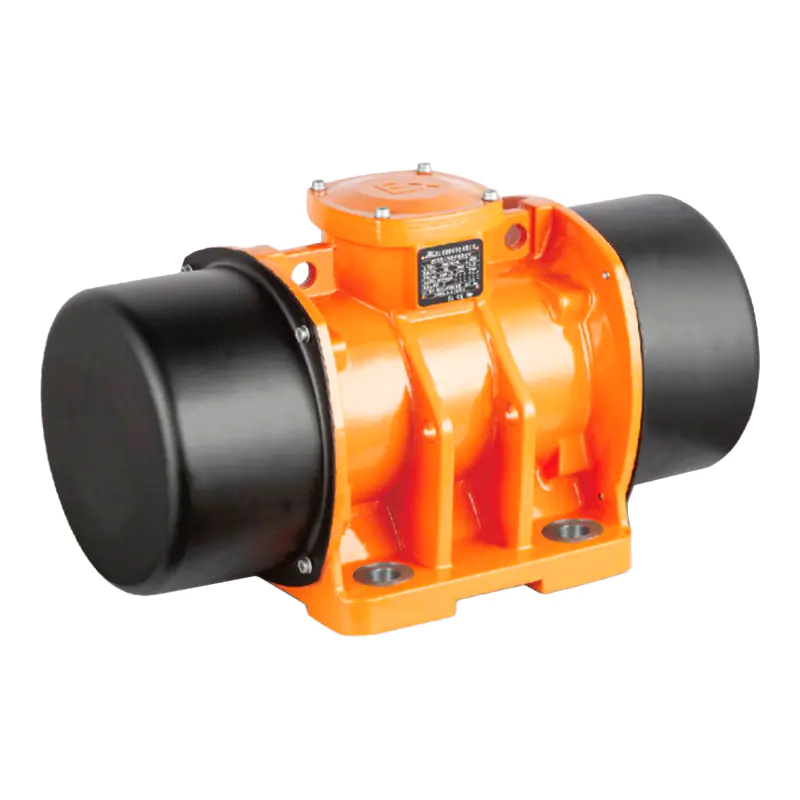
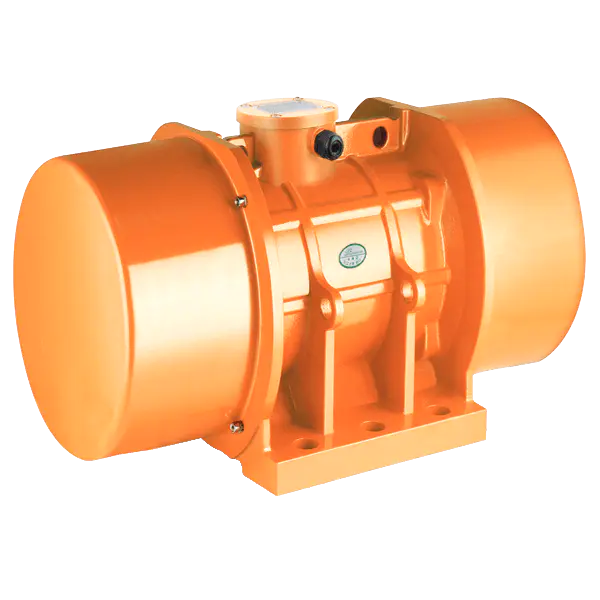
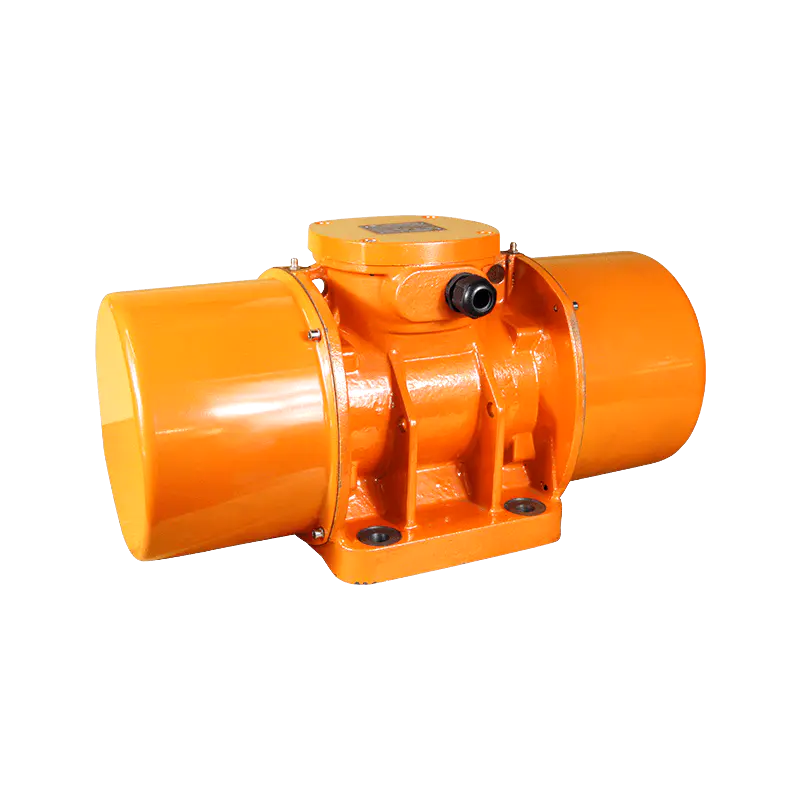
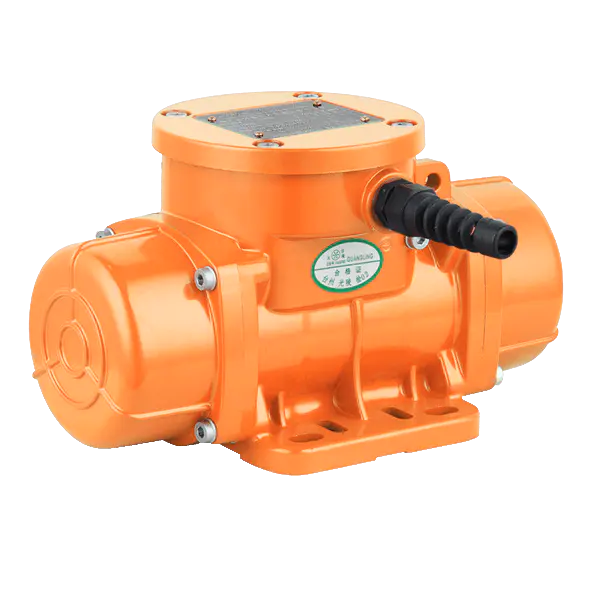
Across a spectrum of manufacturing, construction, and processing industries, the consistent and controlled application of mechanical force is often achieved through a specialized device: the industrial vibration motor. These rugged, purpose-built motors are engineered to convert electrical energy into controlled vibrational energy, serving as the driving force for a wide array of equipment that sorts, conveys, compacts, or screens materials. The reliability and adaptability of the industrial vibration motor make it an indispensable, though often unseen, component in maintaining efficient production flows.
An industrial vibration motor operates on the principle of rotational imbalance. Eccentric weights are attached to the motor's shaft; as the shaft rotates, the off-center mass generates a centrifugal force, producing predictable and adjustable vibrations. This vibration is then transferred to the machine or surface to which the motor is mounted. The key specifications of an industrial vibration motor—including frequency (speed of vibration) and amplitude (force of vibration)—can be tailored by adjusting the weight configuration and the motor's rotational speed. This allows for precise tuning to match specific material characteristics and process requirements.
The applications for an industrial vibration motor are extensive and critical to numerous sectors. In bulk material handling, these motors power vibrating feeders, conveyors, and screens, ensuring the smooth, consistent flow of everything from mined ore and aggregates to food grains and pharmaceutical powders. They prevent material arching and rat-holing in hoppers and silos, a function vital for uninterrupted production. In construction and foundry work, industrial vibration motor units are integral to concrete vibrators and compaction tables, removing air bubbles and ensuring material density and strength. Furthermore, they drive vibrating tables used in packaging operations to settle contents and in finishing processes like deburring or polishing.
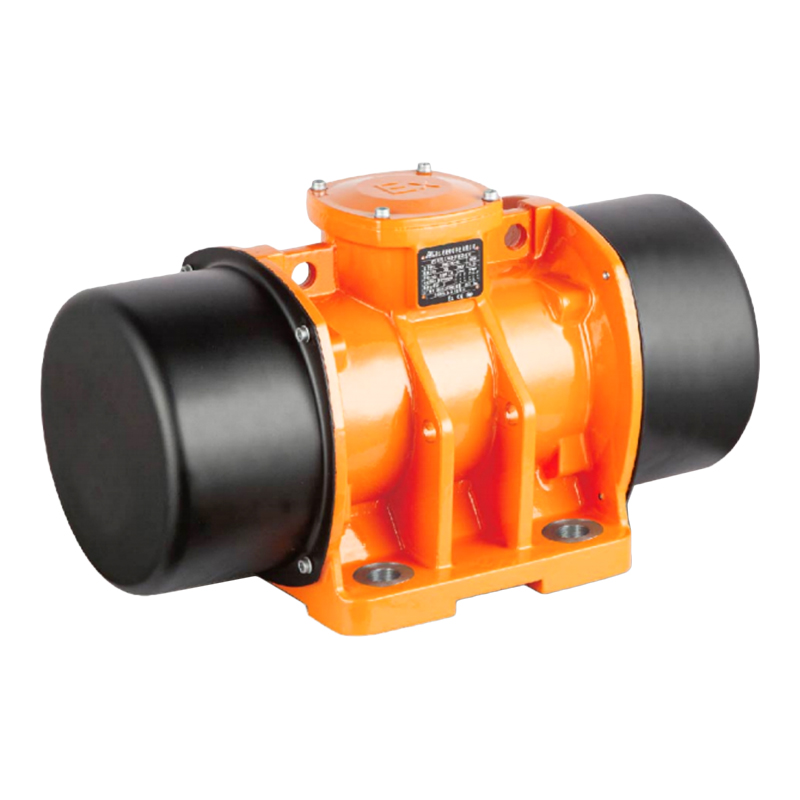
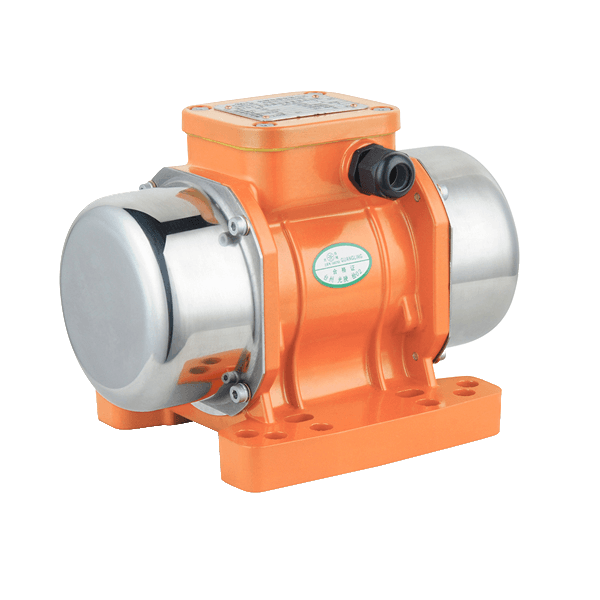
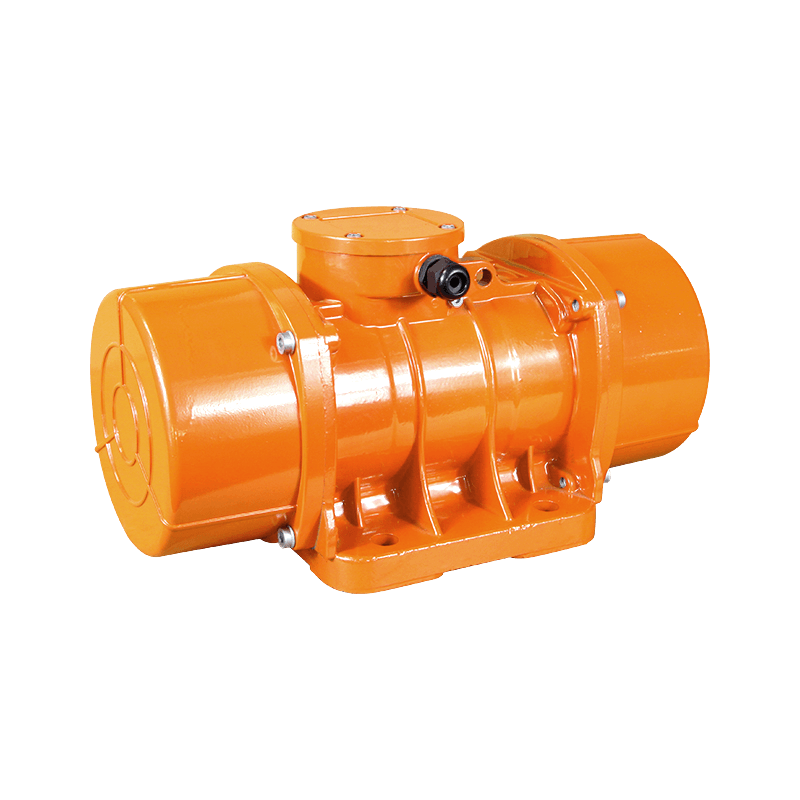
The design of a robust industrial vibration motor prioritizes durability under demanding conditions. Housings are typically cast from high-grade iron or steel to withstand constant stress. Bearings are specially selected and lubricated to handle heavy radial loads from the eccentric weights. Many motors feature multiple mounting options and are built to be dust-proof, water-resistant, or even explosion-proof for use in hazardous environments. The longevity of an industrial vibration motor directly impacts equipment uptime, making its construction quality a primary consideration for operators.
Technological integration is enhancing the functionality and management of industrial vibration motor systems. Variable frequency drives (VFDs) are increasingly paired with these motors, allowing operators to finely control vibration intensity and frequency in real-time to adapt to different materials or process stages. This improves energy efficiency and process control. Additionally, predictive maintenance is being facilitated by sensors that monitor key parameters like bearing temperature and vibration patterns, alerting technicians to potential issues before they cause motor failure and unplanned downtime.
The development of the industrial vibration motor is focused on smarter, more connected, and more efficient designs. Integration with industrial IoT platforms for remote monitoring and data analytics is a natural progression. Research into advanced materials for components may cause lighter yet stronger designs with extended service intervals. As industries worldwide continue to automate and optimize their material handling and processing stages, the industrial vibration motor will remain a fundamental actuator, providing the precise, reliable mechanical force necessary to keep materials moving and processes running smoothly.


 Tel: + 86-576-86320988
 Fax: + 86-576-86333217
 E-mail:
  Add: Dayangcheng Industrial Zone, daxi, wenling, zhejiang, china
