

 英语
英语 葡萄牙语
葡萄牙语 西班牙语
西班牙语 русский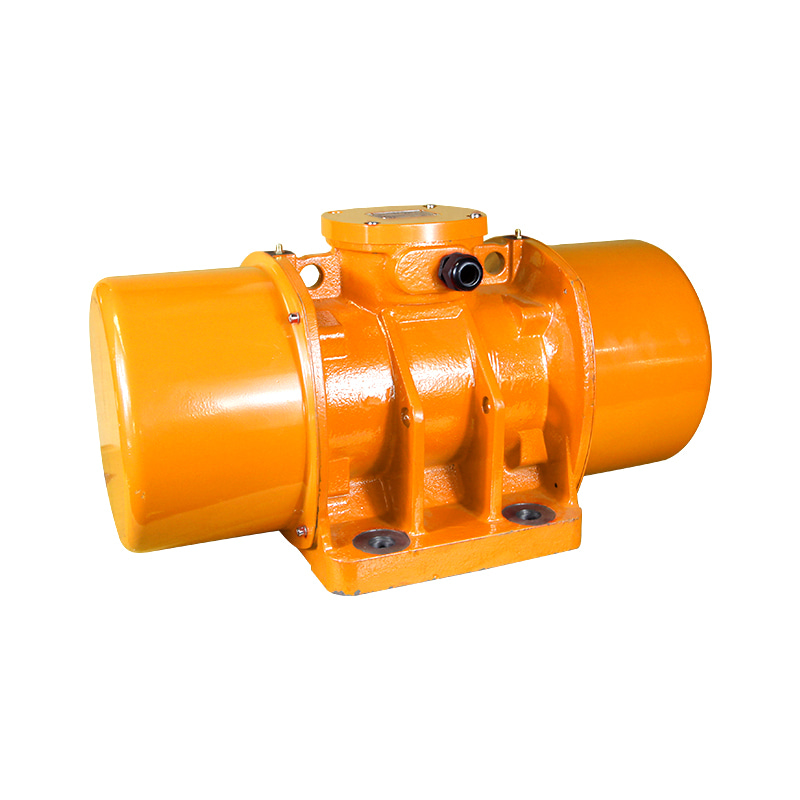
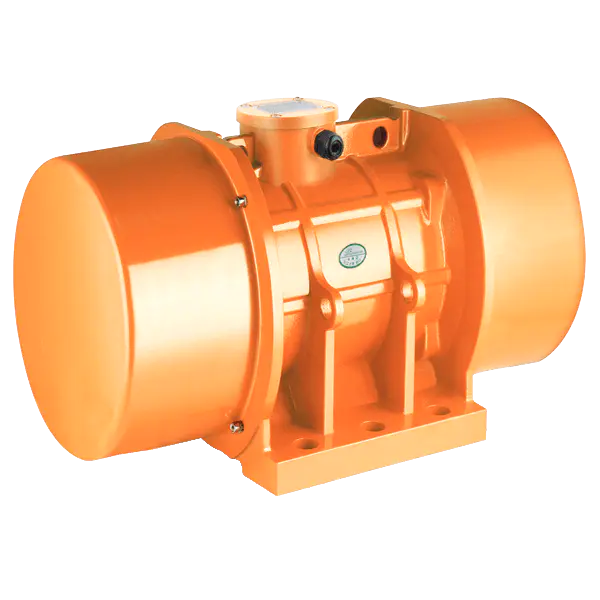
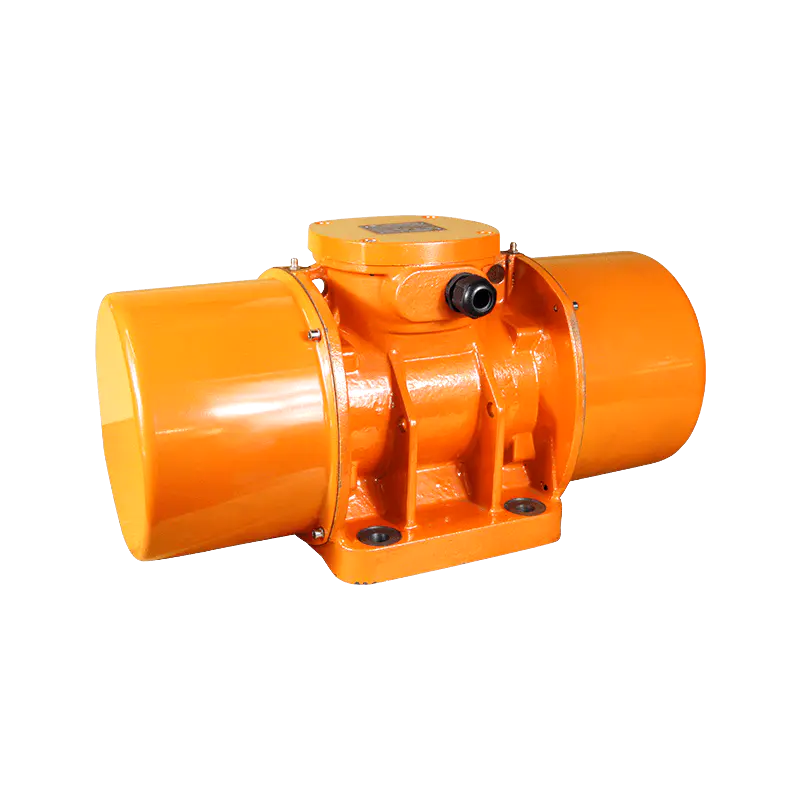
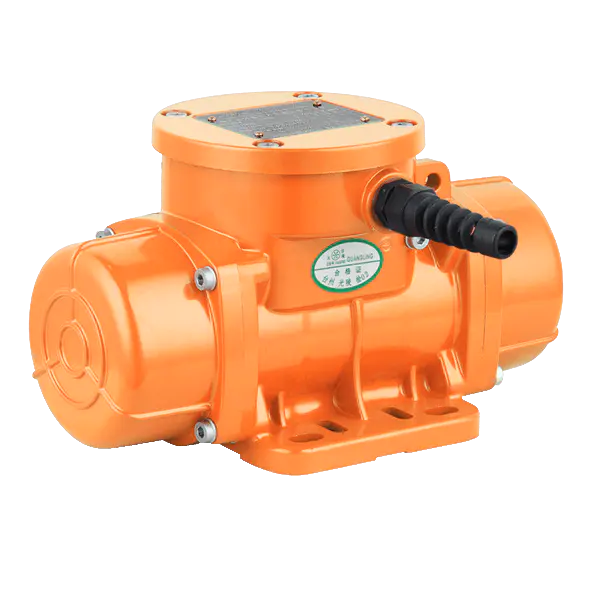
Vibrating motor is a compact electromechanical device that generates controlled vibration for a wide range of applications, from industrial material handling to consumer products like fitness equipment and massage devices. By converting electrical energy into mechanical oscillation, a vibrating motor provides a simple, reliable way to shake, alert, or soothe.
The basic principle of a vibrating motor is simple. An electric motor spins a shaft with an off-center or eccentric weight attached. As the weight rotates, the imbalance creates a centrifugal force that causes the entire motor to vibrate. The amplitude of vibration depends on the size and placement of the weight and the speed of the motor. The frequency of vibration is determined by the motor’s rotational speed. By selecting the right motor and weight configuration, engineers can produce vibrations suited to specific tasks.
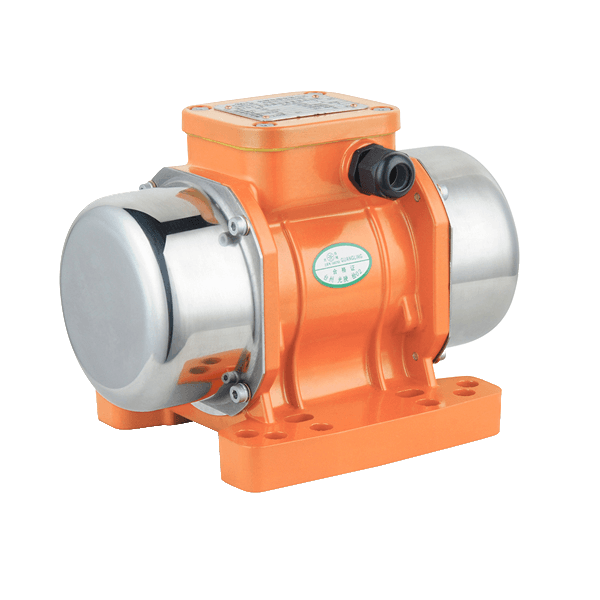
There are two main types of vibrating motors. Eccentric rotating mass motors use a standard DC motor with a lopsided weight on the shaft. These are simple, inexpensive, and produce strong vibration at lower speeds. They are commonly used in pagers, game controllers, and industrial feeders. Linear resonant actuators use a spring-mounted mass driven by a magnetic coil. They vibrate only along one axis, respond faster, and allow more precise control of vibration patterns. Linear actuators are found in smartphones, trackpads, and high-end haptic devices.
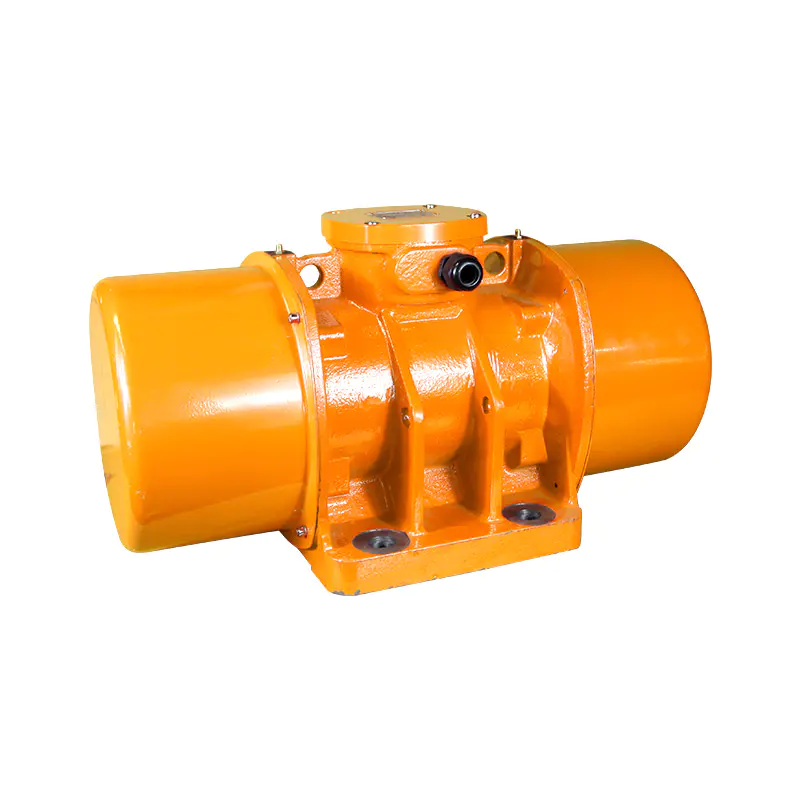
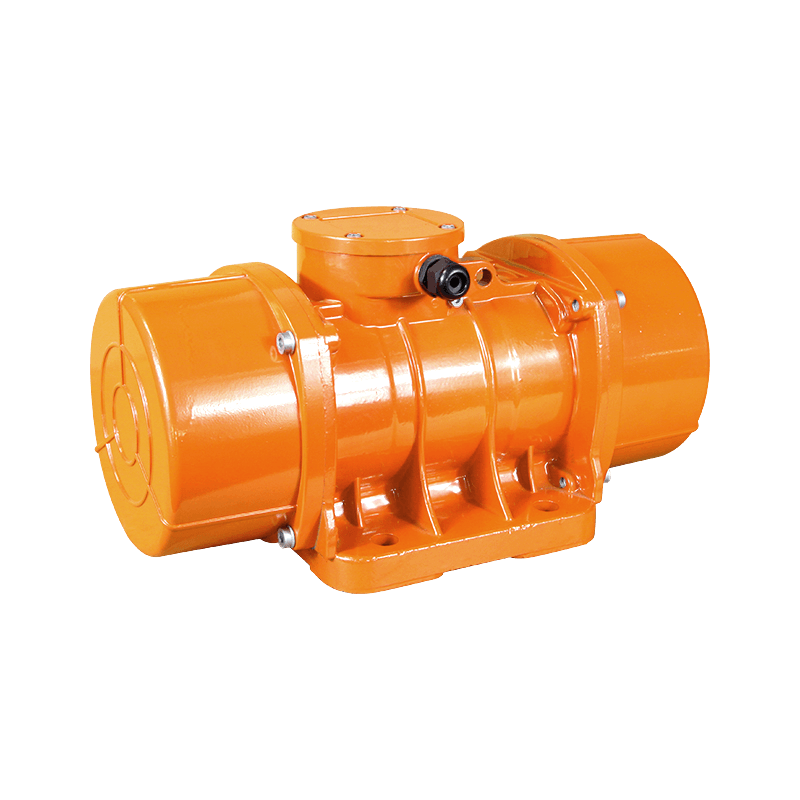
The size of a vibrating motor varies widely by application. A tiny vibrating motor used in a smartwatch may be only a few millimeters across, producing a gentle buzz that the wearer can feel but not hear. A medium-sized motor in a game controller produces a rumble that the player feels in their hands. A large industrial vibrating motor mounted on a hopper produces a strong shake that moves tons of bulk material per hour. The motor size and power should match the application, as too little vibration is ineffective and too much can damage equipment.
The power consumption of a vibrating motor is an important consideration for battery-powered devices. A motor running continuously can drain a battery quickly. For this reason, vibration alerts are typically brief, lasting only a second or two. Linear resonant actuators generally use less power than eccentric rotating mass motors for the same perceived vibration strength. For industrial applications where the motor runs continuously, the power draw affects operating costs and should be considered when selecting the motor.
The control of a vibrating motor affects its usefulness. A simple vibrating motor runs at a fixed speed when power is applied. More sophisticated controllers can vary the voltage or use pulse-width modulation to change the motor speed, thereby changing the vibration frequency and amplitude. For linear actuators, the drive circuit can control the frequency and duration of the pulses that drive the mass, creating complex vibration patterns. Some devices use multiple vibrating motors at different locations, activating them in sequence to create the illusion of movement.
For engineers designing products that need to shake, alert, or provide tactile feedback, a vibrating motor offers a simple, reliable solution. It converts electrical energy into mechanical motion with few moving parts, requires small control electronics, and fits into small spaces. From the phone in your pocket to the factory down the road, vibrating motors are quietly doing their jobs, shaking when needed and resting when not.


 Tel: + 86-576-86320988
 Fax: + 86-576-86333217
 E-mail:
  Add: Dayangcheng Industrial Zone, daxi, wenling, zhejiang, china
