

 英语
英语 葡萄牙语
葡萄牙语 西班牙语
西班牙语 русский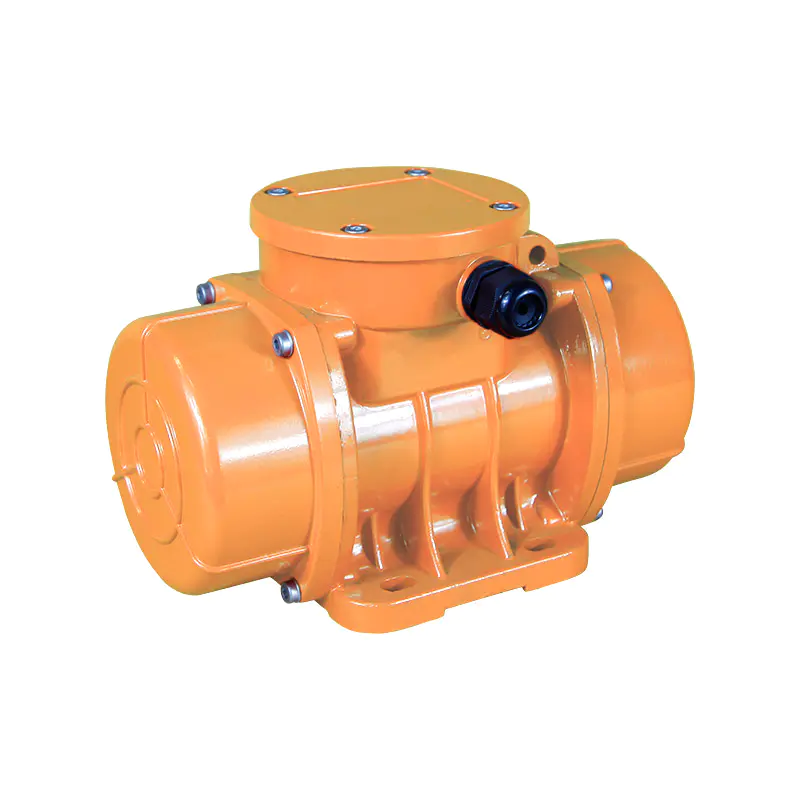
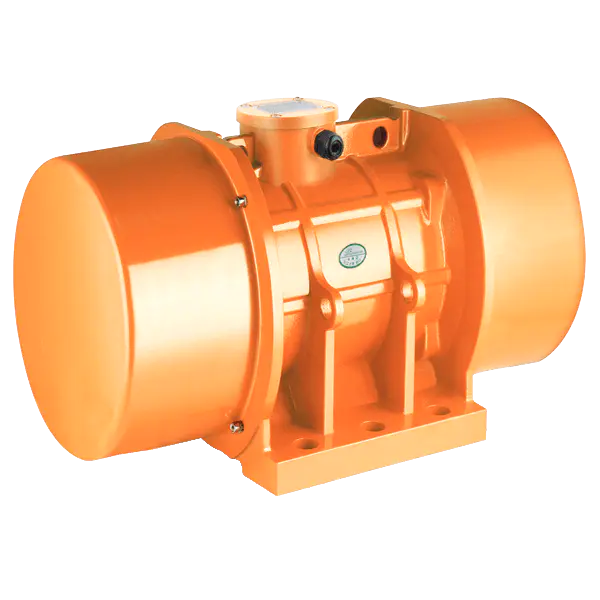
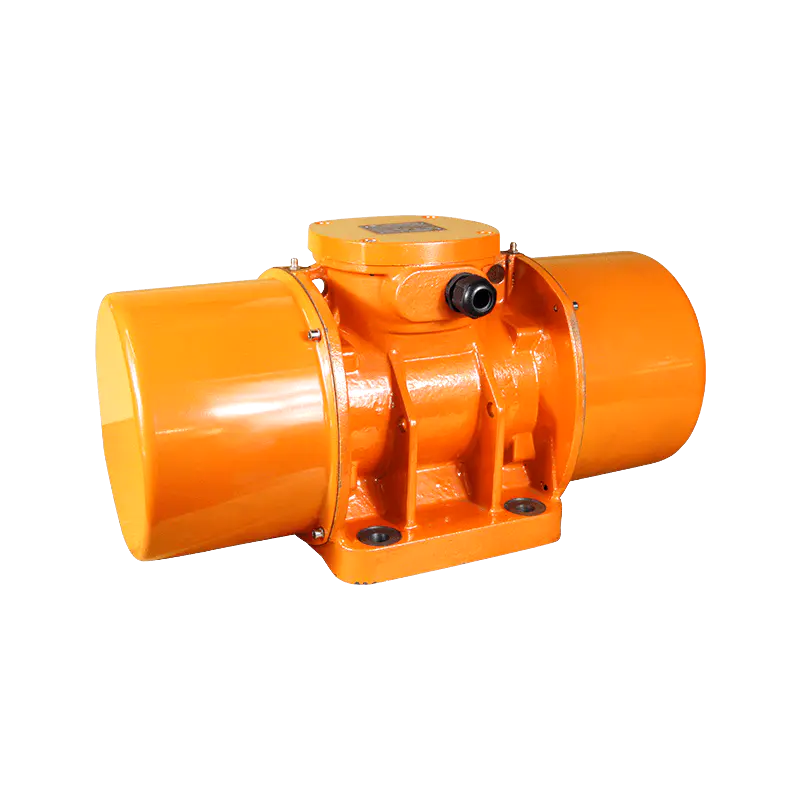
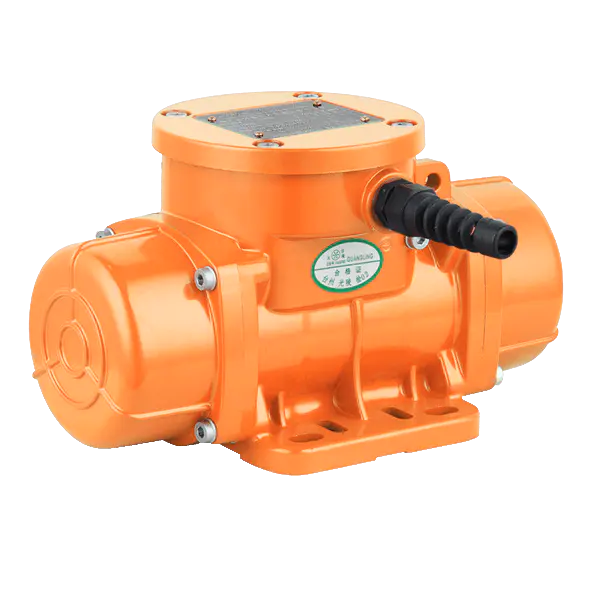
Industrial vibration motor is a rugged electromechanical device used to shake, move, or compact bulk materials in industries such as mining, construction, and food processing. Unlike small vibration motors found in consumer devices, an industrial vibration motor is built to run continuously in harsh environments, delivering controlled vibration to bins, conveyors, screens, and compactors.
The basic design of an industrial vibration motor includes an electric motor with eccentric weights attached to both ends of the shaft. When the motor rotates, the unbalanced weights create a centrifugal force that causes the entire motor to vibrate. The direction and amplitude of the vibration are controlled by the position of the weights relative to each other. By adjusting the angle between the weights, the user can produce linear, circular, or elliptical vibration patterns suited to different applications.
The force output of an industrial vibration motor is measured in centripetal force, typically expressed in kilograms or pounds. A small industrial vibration motor might produce 50 kilograms of force, suitable for a small hopper or parts feeder. A large motor can produce 10,000 kilograms or more, used for heavy-duty screens or compactors. The required force depends on the weight of the material being moved and the size of the equipment being vibrated. An undersized motor will not move material effectively; an oversized motor may damage the equipment.
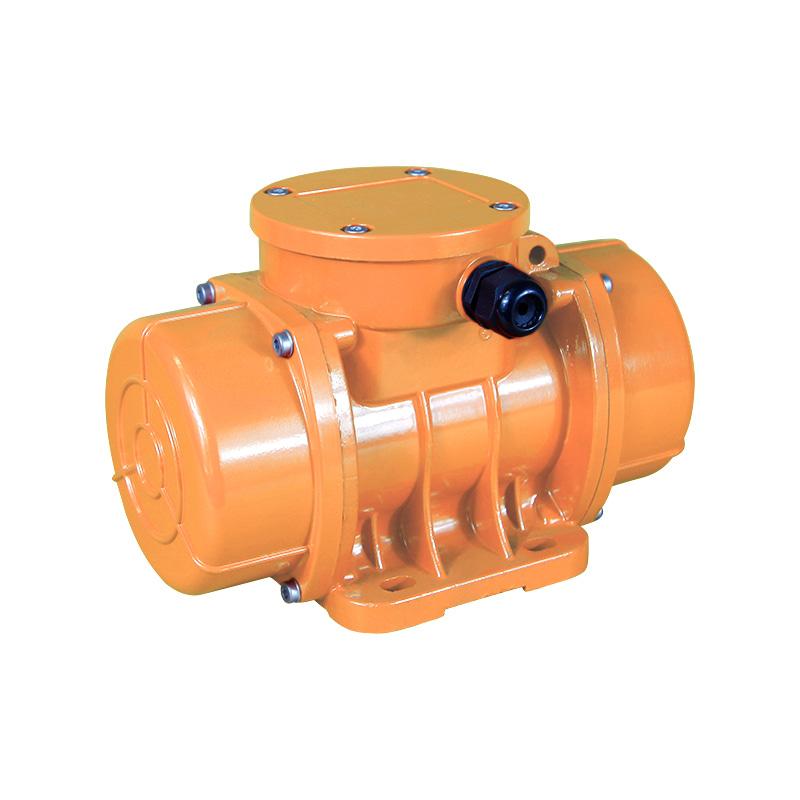
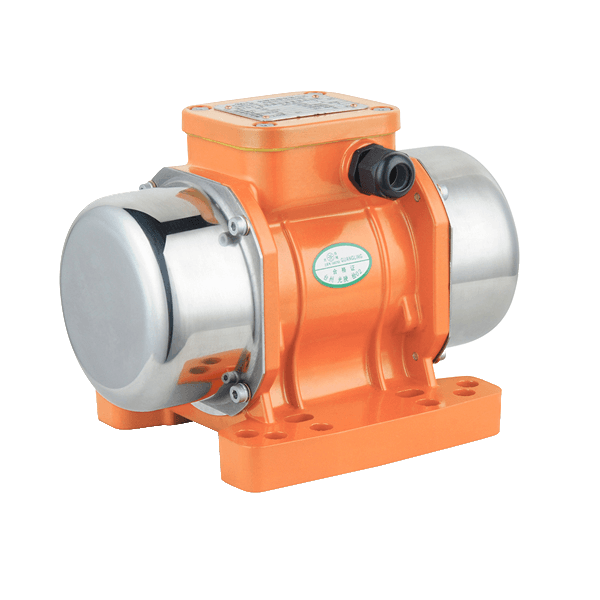
The mounting of an industrial vibration motor is critical for safe and effective operation. The motor is bolted directly to the equipment it is vibrating, using heavy-duty mounting feet or flanges. The mounting surface must be flat and rigid to transfer the vibration efficiently. All mounting bolts must be tightened to the specified torque and checked periodically, as vibration can loosen fasteners. Some industrial vibration motors include a base plate that distributes the force over a larger area, reducing stress on the equipment.
The speed of an industrial vibration motor affects the frequency of vibration. Standard motors run at fixed speeds, typically 1,500 or 3,000 revolutions per minute for 50 Hz power, or 1,800 and 3,600 RPM for 60 Hz power. Variable frequency drives allow the motor speed to be adjusted, changing the vibration frequency to suit different materials. Lower frequencies move larger particles; higher frequencies are better for fine powders. The ability to adjust frequency makes the industrial vibration motor more versatile.
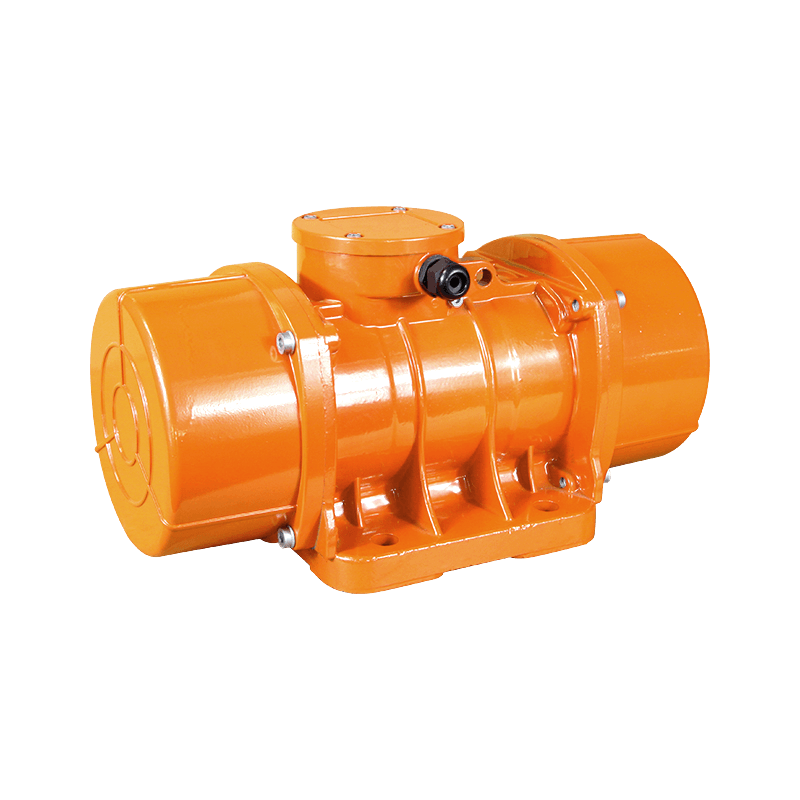
The durability of an industrial vibration motor comes from its construction. The housing is made from cast iron or heavy-gauge steel to withstand the forces generated by the internal weights. The bearings are specially designed for vibration applications, with increased clearance to accommodate shaft deflection. The winding insulation is reinforced to resist the effects of constant vibration. The motor is typically sealed to IP66 or higher, keeping out dust and water. An industrial vibration motor built to these standards can run for thousands of hours between bearing replacements.
For industries that move bulk materials, an industrial vibration motor provides a reliable, efficient way to keep material flowing. It shakes bins to prevent clogs, moves material across screens, and compacts surfaces with controlled force. With proper selection and maintenance, an industrial vibration motor operates continuously for years, solving material flow problems without complex mechanical systems.


 Tel: + 86-576-86320988
 Fax: + 86-576-86333217
 E-mail:
  Add: Dayangcheng Industrial Zone, daxi, wenling, zhejiang, china
