

 英语
英语 葡萄牙语
葡萄牙语 西班牙语
西班牙语 русский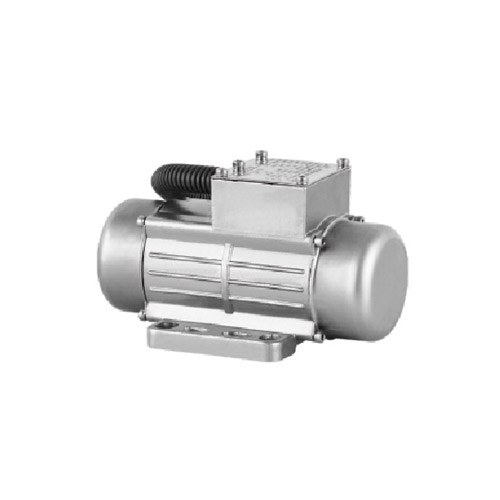
Equipment designers packing more function into smaller enclosures keep running into the same constraint: a vibration source that worked fine in last year's product no longer fits the footprint this year's design demands. That pressure is showing up directly in sourcing conversations, where requests for an Aluminium Micro Vibration Motor increasingly specify weight and size limits as tightly as they specify force output.
Miniaturized Equipment Is Driving the Shift
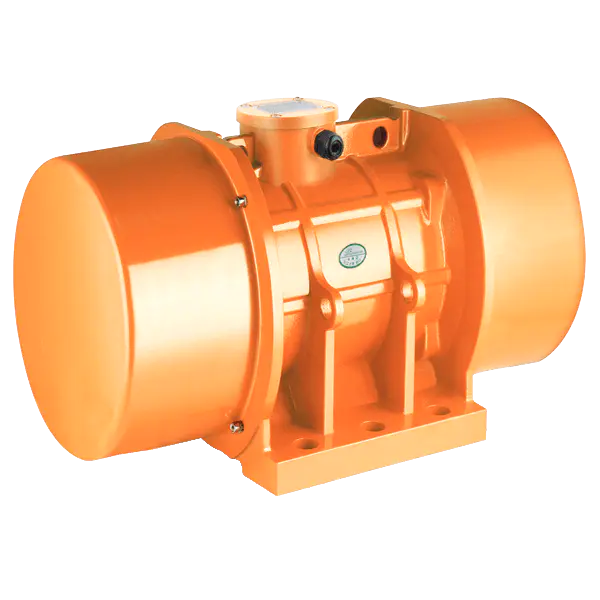
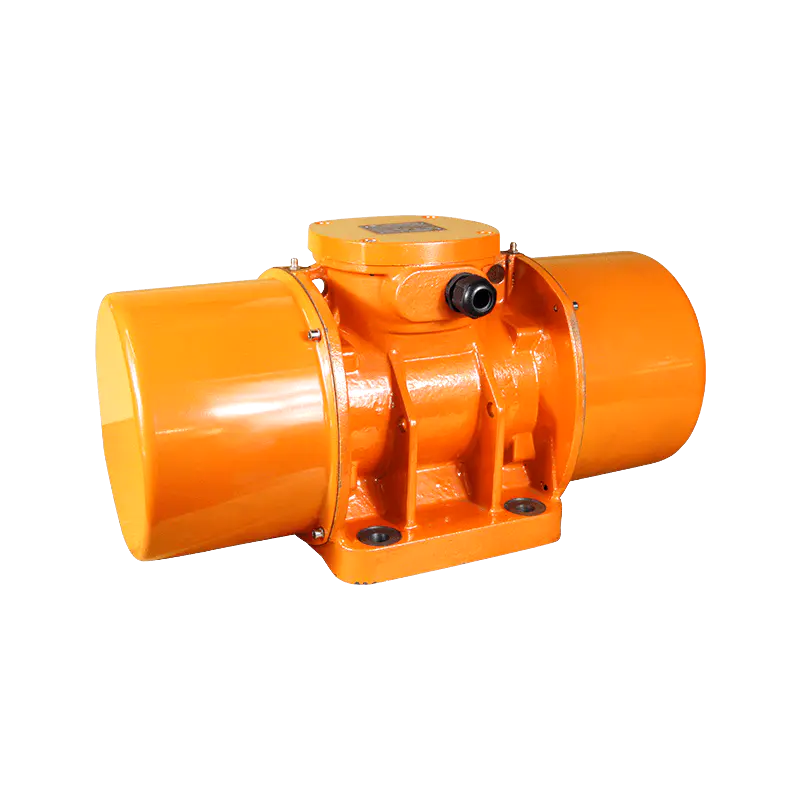
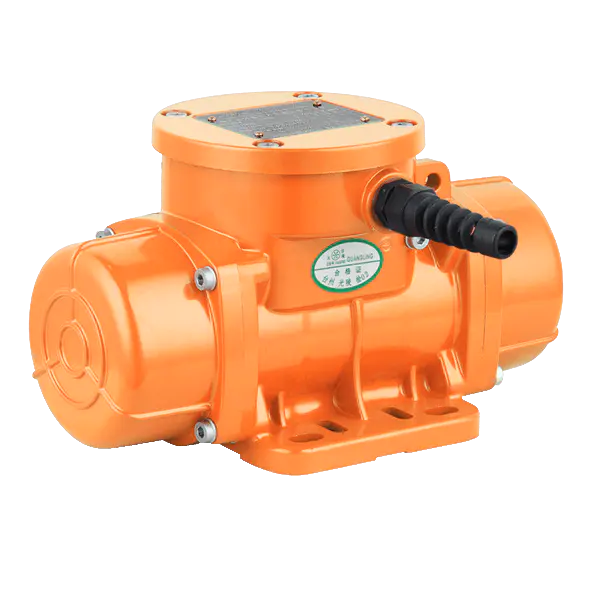
Compact conveyor systems, small-scale material handling equipment, and instrumentation housings have all been shrinking, and the vibration motors mounted inside them have had to shrink alongside them without giving up reliable, repeatable force output. An Aluminium Micro Vibration Motor built around a lightweight housing suits this trend better than the heavier cast-iron designs that dominated the category in earlier product generations, since equipment designers now treat total assembly weight as a design constraint rather than an afterthought. Sourcing conversations that once opened with force output now often open with a weight ceiling instead, and an Aluminium Micro Vibration Motor family built to hit that ceiling has become a standard opening request.
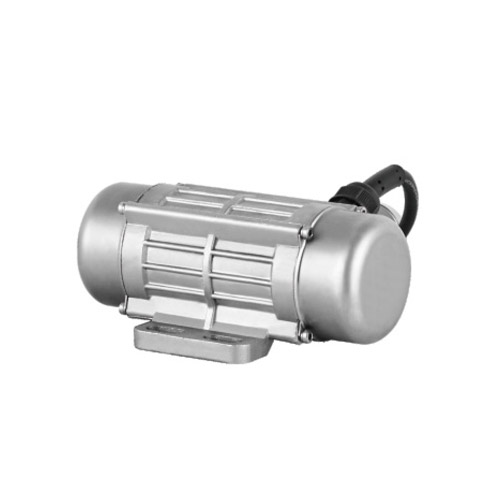
Aluminium Housing Trades Some Durability for Significant Weight Savings
A lightweight vibration motor built with an aluminium housing weighs meaningfully less than a comparable stainless steel or cast-iron unit, which matters directly for buyers integrating motors into portable equipment or weight-sensitive assemblies. This weight advantage comes with a tradeoff buyers should factor into their sourcing decision: aluminium housings generally offer less impact resistance than stainless steel alternatives, so buyers deploying motors in environments with frequent physical contact or harsh handling should weigh that durability difference against the weight savings before committing to an aluminium-only specification.
Comparing Housing Materials for Micro-Scale Motors
|
Housing Material |
Relative Weight |
Typical Application Fit |
|
Aluminium Alloy |
Lightest |
Portable equipment, weight-sensitive designs |
|
Stainless Steel |
Moderate |
Washdown environments, food processing |
|
Cast Iron |
Heaviest |
Fixed installations where weight isn't a factor |
Buyers designing equipment that gets moved, carried, or mounted on lighter structural frames increasingly default to the aluminium column, while buyers in washdown or corrosive environments still lean toward stainless steel despite the added weight. Choosing between the two remains a genuine engineering tradeoff rather than a settled default across every Aluminium Micro Vibration Motor inquiry.
Precision and Instrumentation Applications Are Expanding Demand
Beyond material handling, a compact vibrator motor is increasingly specified for laboratory and instrumentation applications where consistent, low-force vibration supports sample mixing or sensor calibration rather than bulk material movement. This application segment demands tighter force-output consistency at low power levels than traditional industrial bulk-handling applications, since even small variance in vibration output can affect measurement repeatability in precision instrument contexts. Suppliers serving this expanding segment are increasingly asked for force-output test data at multiple points across a motor's rated range rather than a single nominal specification.
Force-to-Weight Ratio Is Becoming a Standard Comparison Metric
Buyers evaluating a small vibration motor for weight-sensitive applications increasingly compare force-to-weight ratio across suppliers rather than evaluating force output or weight independently, since two motors with identical force ratings can differ meaningfully in total assembly weight depending on housing material and internal component design. This comparison metric has become common enough in buyer inquiries that suppliers now list it alongside standard force and RPM specifications rather than requiring buyers to calculate it themselves from separate weight and force figures.
Certification and Customization for Growing Application Diversity
Buyers specifying a precision instrument vibrator for regulated laboratory or medical-adjacent equipment should request quality management system documentation covering the production facility, along with batch-specific force output testing for the Aluminium Micro Vibration Motor given how sensitive some precision applications are to output consistency. Custom voltage points, mounting configurations, and connector types can typically be accommodated on an Aluminium Micro Vibration Motor platform without significant tooling changes, since the compact size of this category means design modifications generally affect less material and fewer manufacturing steps than equivalent changes on larger industrial motor platforms.


 Tel: + 86-576-86320988
 Fax: + 86-576-86333217
 E-mail:
  Add: Dayangcheng Industrial Zone, daxi, wenling, zhejiang, china
