

 英语
英语 葡萄牙语
葡萄牙语 西班牙语
西班牙语 русский
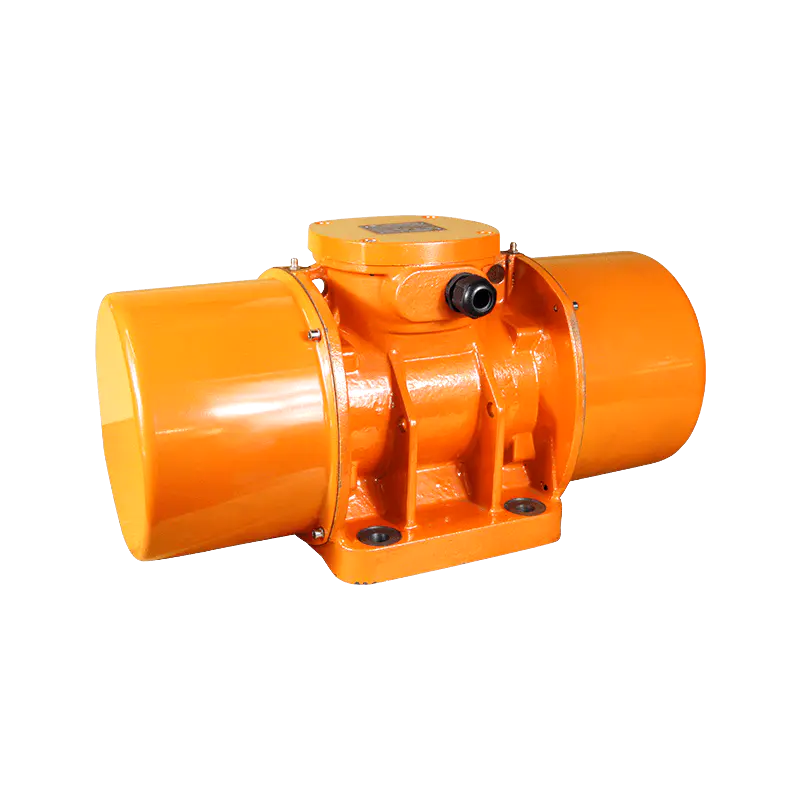
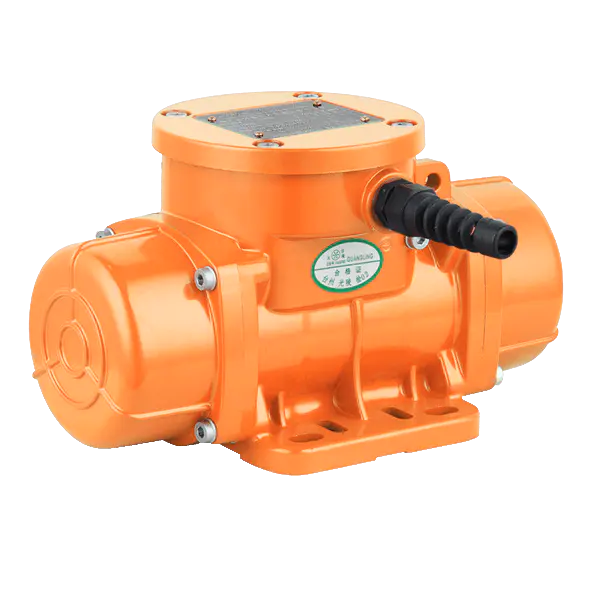
Aggregate that will not move is one of the more common headaches on a concrete batching line. Sand bridges in a hopper, cement packs against a silo wall, or a mixer discharge slows down just enough to throw off cycle timing. The equipment usually responsible for solving this — quietly, in the background — is the concrete batching plant vibrator motor, and the way it is specified has a direct effect on how consistently a plant meters and discharges material.
Why Flow, Not Just Vibration, Is the Design Target
A concrete batching plant vibrator motor is not selected for raw vibration output alone. What matters on a working plant is whether the motor produces enough centrifugal force, at the right frequency, to break up bridging and keep material sliding toward the outlet without disturbing the accuracy of the weighing system underneath it. Production teams generally treat this as a balance rather than a maximum: too little force and material still hangs up; too much and the added motion can interfere with load-cell readings on batching hoppers. This is one reason vibrator motor selection for batching applications tends to follow the geometry of the bin or silo rather than a single standard output figure.
Pole Count and Frequency Behind the Motor
Most industrial vibration motors used on batching equipment are built around a set pole configuration — commonly 2-pole, 4-pole, 6-pole, or 8-pole three-phase designs — each producing a different vibration frequency and force range. A 2-pole motor typically runs at a higher frequency and suits smaller hoppers or lighter aggregate, while lower-pole configurations generate slower, higher-amplitude motion better matched to heavier bins or coarser material. Selecting between these configurations is usually less about horsepower and more about matching frequency to the mass and cohesiveness of what is being moved. Explosion-proof and DC variants also appear on some plants, particularly where dust classification or intermittent power supply is a factor. Getting this pole-and-frequency match right is central to how a concrete batching plant vibrator motor performs once it is running on a live line rather than on a test bench.
Housing, Bearings, and Duty in a Dusty Environment
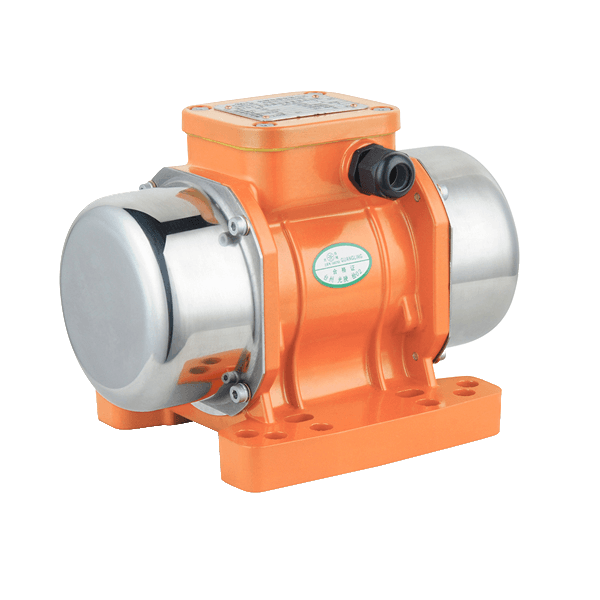
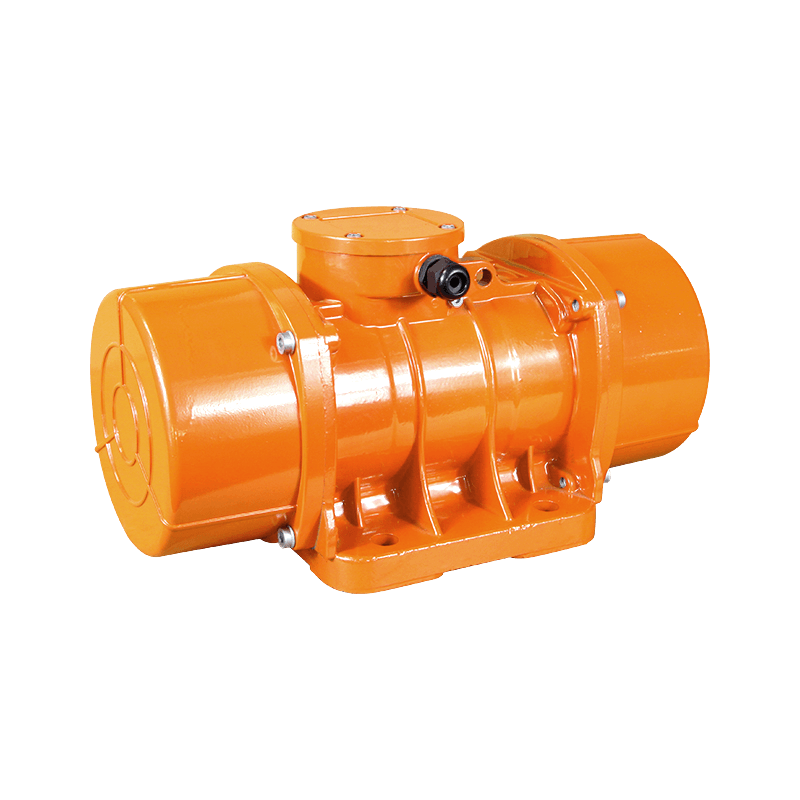
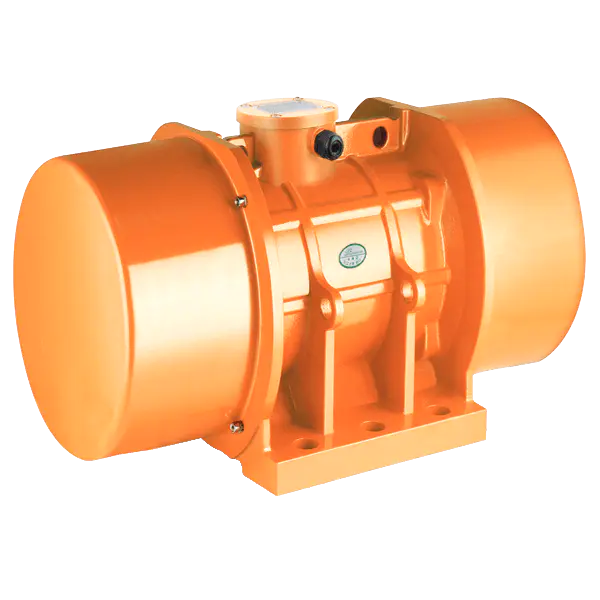
Because batching plants run in an environment with constant dust exposure and repeated on-off cycling, motor housings for this use are generally sealed to a higher ingress protection standard than motors used indoors. Bearing selection also shifts toward types rated for continuous radial vibration loading rather than steady rotational load, since a vibration motor experiences forces differently than a standard induction motor. Wiring entry points and terminal boxes are typically reinforced or gasketed for the same reason. None of this is unique to one manufacturer's design — it reflects how the application itself, not the motor family, dictates these choices. These construction details are often what separates a concrete batching plant vibrator motor built for continuous plant duty from a general-purpose vibration motor adapted for the same job.
Where Batching Plant Motors Are Actually Mounted
On a typical plant layout, a bin vibrator motor is mounted on aggregate hoppers to prevent bridging during discharge, while a hopper vibrator motor of similar design may be fitted to cement or fly ash silos where fine powder is more prone to compacting under its own weight. Some plants also mount smaller units on mixer feed chutes or screw conveyor housings to keep material moving between stages. The placement, more than the motor's rated output, often determines which pole configuration and mounting bracket style is appropriate. In practice, mount location is one of the first things engineers settle when specifying a concrete batching plant vibrator motor for a new or retrofitted plant.
What Buyers Typically Compare
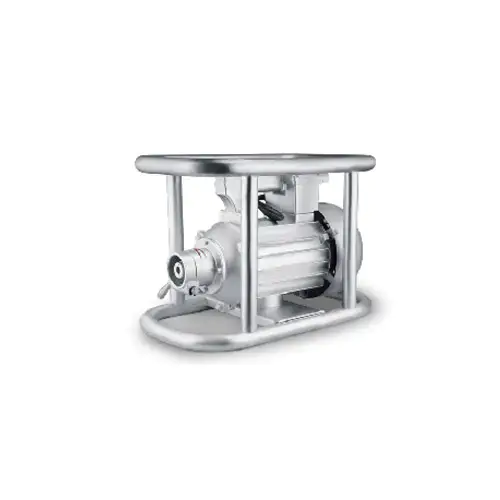
For distributors and plant equipment integrators sourcing this category, useful comparison points include mounting bracket compatibility with existing bin structures, voltage and frequency matching to the destination market's power supply, IP rating relative to expected dust exposure, and available pole configurations for different bin sizes within the same plant. Buyers developing a full batching plant package can also weigh how a concrete batching plant vibrator motor line pairs with the poker and external form vibrators used elsewhere in concrete production, since sourcing compatible product families can simplify spare-parts planning.
Customization for Different Plant Configurations
Because batching plants vary widely in bin size, layout, and regional power standards, vibration motor lines in this category are commonly offered with customization options — voltage and frequency adjustments for export markets, alternate mounting flange patterns, and force output tuned to a specific bin volume. Zhejiang Guangling Vibrating Technology, which has produced vibration motors and concrete vibrating equipment from its Wenling, Zhejiang facility for two decades, offers this kind of configuration across its concrete batching plant vibrator motor lines, alongside its broader concrete vibrator product range for on-site compaction work.
Plant designers are, in general, moving toward treating vibration motor placement as part of the initial bin design rather than an add-on fitted after material-flow problems appear — a shift that reflects how much batching accuracy depends on getting material moving smoothly in the first place.


 Tel: + 86-576-86320988
 Fax: + 86-576-86333217
 E-mail:
  Add: Dayangcheng Industrial Zone, daxi, wenling, zhejiang, china
