

 英语
英语 葡萄牙语
葡萄牙语 西班牙语
西班牙语 русский
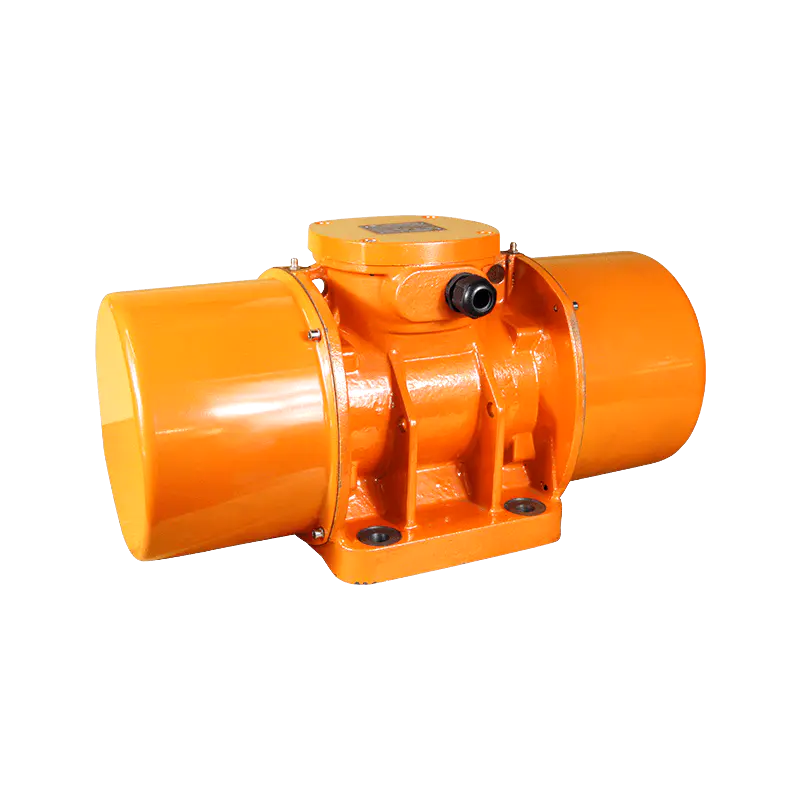
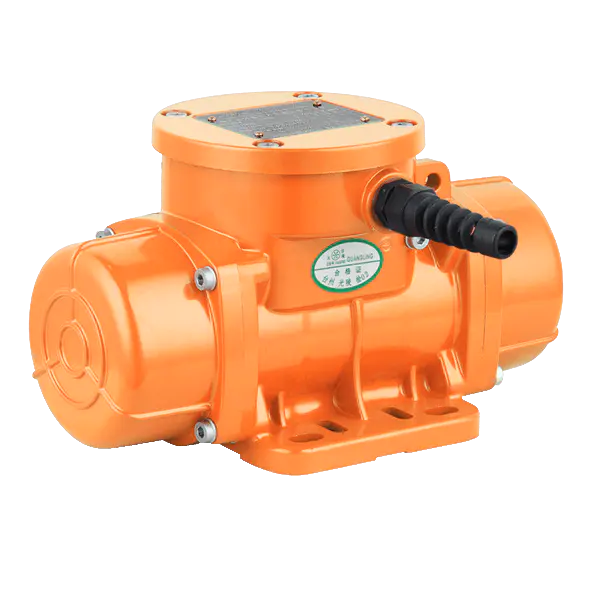
A plant engineer sourcing replacement motors for a bank of vibrating bins often reaches for the same pole count and voltage rating the old unit carried, without checking whether that specification still matches current site power and process requirements. A Three Phase Vibration Motor ordered on assumption rather than verification is one of the more common sourcing mistakes buyers only discover after installation, when force output or rotational speed doesn't match what the application actually needs. Confirming specifications against the actual Three Phase Vibration Motor installation environment before placing an order avoids this costly rework.
Confirm Voltage and Frequency Match Site Power
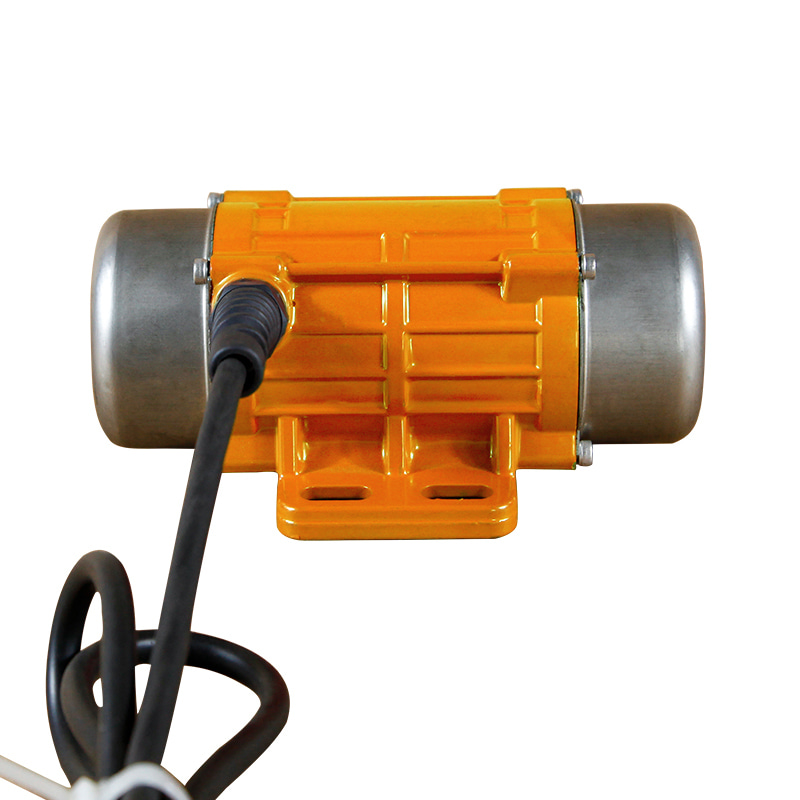
Before comparing force ratings or pole configurations, buyers should confirm that a Three Phase Vibration Motor matches the actual voltage and frequency available at the installation site, since 220V and 380V ratings aren't interchangeable without a transformer, and 50Hz versus 60Hz operation changes both rotational speed and force output for the same physical motor. A 380V vibration motor ordered for a site running 220V three-phase power will either fail to start correctly or run at reduced force output, so this verification step should happen before other specification comparisons rather than as an afterthought during installation.
Match Pole Count to Actual Process Requirements
Pole count determines rotational speed and, by extension, the vibration frequency a motor delivers to the equipment it's mounted on — a detail that affects material flow characteristics as much as raw force output does. Buyers should confirm with their process engineers what vibration frequency actually performs well for their specific material and equipment geometry rather than defaulting to whichever pole configuration a previous motor happened to use, since a multi-pole vibrator motor with lower RPM but higher torque can outperform a higher-speed, lower-torque configuration for certain bulk material handling applications.
A Sourcing Checklist for Three-Phase Motor Orders
|
Sourcing Question |
Why It Matters |
|
Does site power match 220V or 380V rating? |
Voltage mismatch prevents correct operation |
|
Is site frequency 50Hz or 60Hz? |
Frequency affects both speed and force output |
|
Does pole count match required vibration frequency? |
Determines material flow characteristics |
|
Is the application in a hazardous or dusty environment? |
Determines whether explosion-proof rating is needed |
|
What is the duty cycle — continuous or intermittent? |
Affects bearing grade and thermal design requirements |
Assess Whether Explosion-Proof Rating Is Required
Buyers sourcing for mining, chemical processing, or grain handling environments should assess early whether an installation location requires explosion-proof certification, since retrofitting a standard motor after installation isn't a viable option once equipment is in service. An explosion-proof vibration motor carries additional housing and sealing requirements beyond a standard industrial unit, and buyers should confirm which specific hazardous-area classification a motor is certified for rather than accepting a general "explosion-proof" label without documentation matching the actual site classification.
Application Fit Beyond the Spec Sheet
A mining vibrator motor operating continuously in a dust-heavy environment faces different failure modes than the same motor rated specification running intermittently in a cleaner industrial setting, so buyers should factor actual operating environment into Three Phase Vibration Motor selection rather than relying on spec sheet numbers alone. Continuous-duty applications in mining, chemical refining, and construction machinery typically warrant higher-grade sealed bearings and more frequent maintenance intervals than a Three Phase Vibration Motor running only a few hours per shift in a conveyor belt or mixing station application.
Certification Documentation to Request Before Ordering
Buyers placing bulk orders for a Three Phase Vibration Motor program should request quality management system certification covering the production facility, along with batch-specific test records showing force output and current draw under rated load conditions. For applications requiring explosion-proof or other hazardous-area certification, buyers should confirm the certification documentation names the specific standard and classification their installation site requires, since certification frameworks vary by destination market and a certificate valid in one region may not satisfy import or safety requirements in another.


 Tel: + 86-576-86320988
 Fax: + 86-576-86333217
 E-mail:
  Add: Dayangcheng Industrial Zone, daxi, wenling, zhejiang, china
