

 英语
英语 葡萄牙语
葡萄牙语 西班牙语
西班牙语 русский
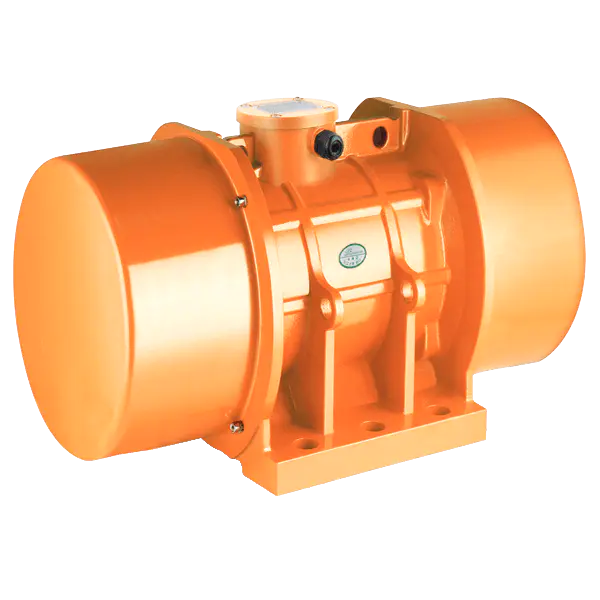
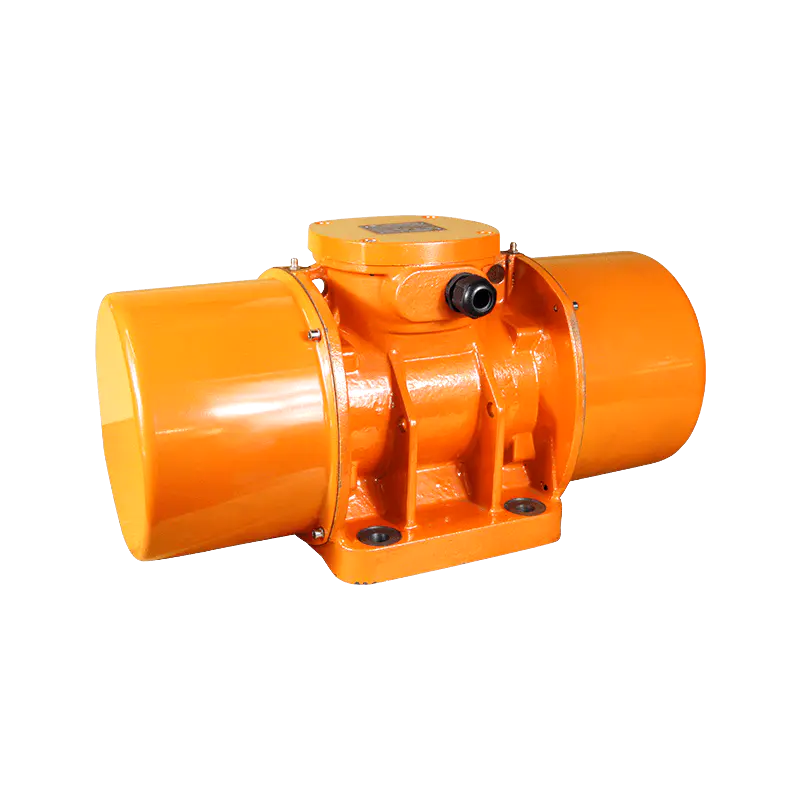
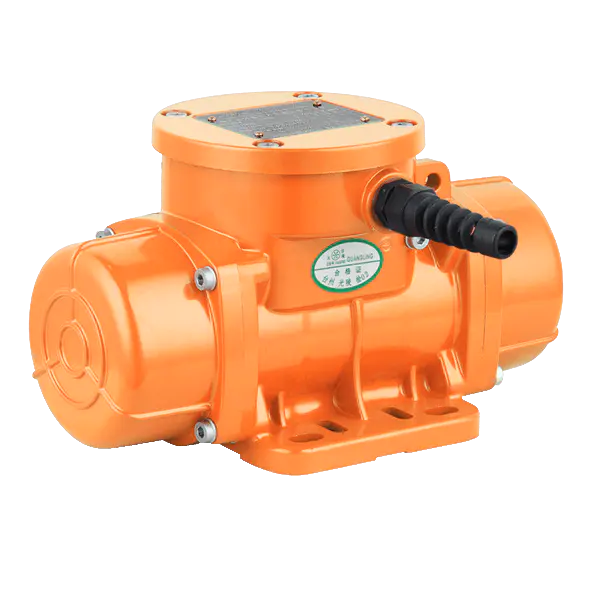
Two motors built from the same design drawing can still produce noticeably different vibration forces if the winding process wasn't controlled tightly enough during production. That variance is the reason experienced buyers ask about the manufacturing process, not just rated specifications, when comparing suppliers for an Industrial Shaker Motor program that needs to perform consistently across a full production order.
Eccentric Weight Calibration Drives Force Consistency
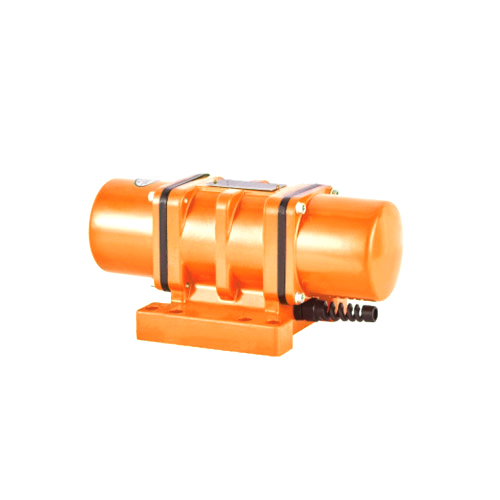
The vibration force an Industrial Shaker Motor produces comes from an eccentric weight mounted on the motor shaft, and the precision with which that weight is machined and balanced directly determines how consistent force output is from unit to unit. An eccentric weight vibrator built with loosely toleranced weight adjustment plates can produce force variance between nominally identical units that shows up as inconsistent material flow once the motors are installed across a bank of bins or hoppers. Manufacturing teams building for consistent output machine the adjustable weight plates to tight dimensional tolerance and verify actual force output on a test bench rather than relying solely on the theoretical calculation from weight and rotational speed.
Coil Winding Tolerance Affects Long-Term Reliability
Coil winding consistency inside an Industrial Shaker Motor affects both starting torque and long-term thermal performance, since uneven winding can create hot spots that accelerate insulation breakdown over the motor's service life. Production lines running tight winding tolerance control typically use automated winding equipment calibrated to consistent tension and turn count, since hand-wound variance introduces exactly the kind of unit-to-unit inconsistency that shows up months later as premature failures in a subset of an otherwise identical production batch. Buyers sourcing at volume should ask suppliers whether winding is automated or manual, since this single process detail affects consistency more heavily than other manufacturing variables combined.
Comparing Pole Configuration Production Requirements
|
Pole Configuration |
Typical RPM Range |
Manufacturing Consideration |
|
2-Pole |
3000–3600 RPM |
Higher rotational stress on bearings |
|
4-Pole |
1500–1800 RPM |
Balanced force-to-speed ratio |
|
6-Pole |
1000–1200 RPM |
Lower speed, higher torque demand |
|
8-Pole |
750–900 RPM |
Heaviest-duty bearing requirements |
Higher-pole configurations running at lower RPM place different mechanical stress on bearings and windings than high-speed 2-pole designs, which means production quality checks on an Industrial Shaker Motor need to account for the specific failure modes each configuration is prone to rather than applying identical test criteria across the full product range.
Bearing Selection and Assembly Precision
An unbalanced motor vibrator running continuously in a fixed industrial installation puts sustained radial load on its bearings, unlike motors in intermittent-use applications, so bearing grade and assembly precision matter more for this duty cycle than for lighter-use motors. Manufacturing teams building for continuous-duty applications like a bin activator motor typically specify higher-grade sealed bearings and control shaft-to-bearing fit tolerance more tightly than they would for motors rated for intermittent operation, since bearing wear under continuous radial load compounds faster than under interrupted use.
Certification and Batch Testing for Export Production
Buyers importing an Industrial Shaker Motor for regulated industrial applications should request test records specific to the production batch under quote, covering force output, current draw, and temperature rise under rated load. Quality management system certification covering the production facility gives buyers a broader assurance framework, but batch-specific test data provides the concrete evidence needed to confirm that a specific order meets the performance specifications a buyer's own equipment design depends on.
Customization for Application-Specific Requirements
Buyers integrating a conveyor vibration motor into custom equipment often need specific voltage, frequency, or mounting configurations that differ from standard catalog offerings for an Industrial Shaker Motor. Factories running modular production across multiple pole configurations and voltage options can typically accommodate these adjustments without full mold redevelopment, provided the requested specification falls within the range their existing tooling and winding equipment already supports.


 Tel: + 86-576-86320988
 Fax: + 86-576-86333217
 E-mail:
  Add: Dayangcheng Industrial Zone, daxi, wenling, zhejiang, china
