

 英语
英语 葡萄牙语
葡萄牙语 西班牙语
西班牙语 русский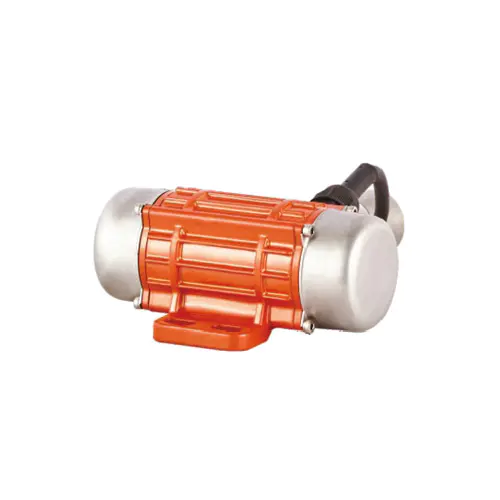
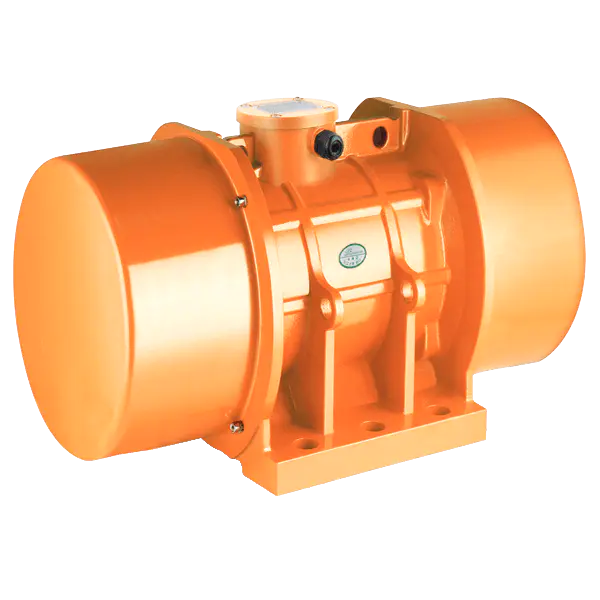
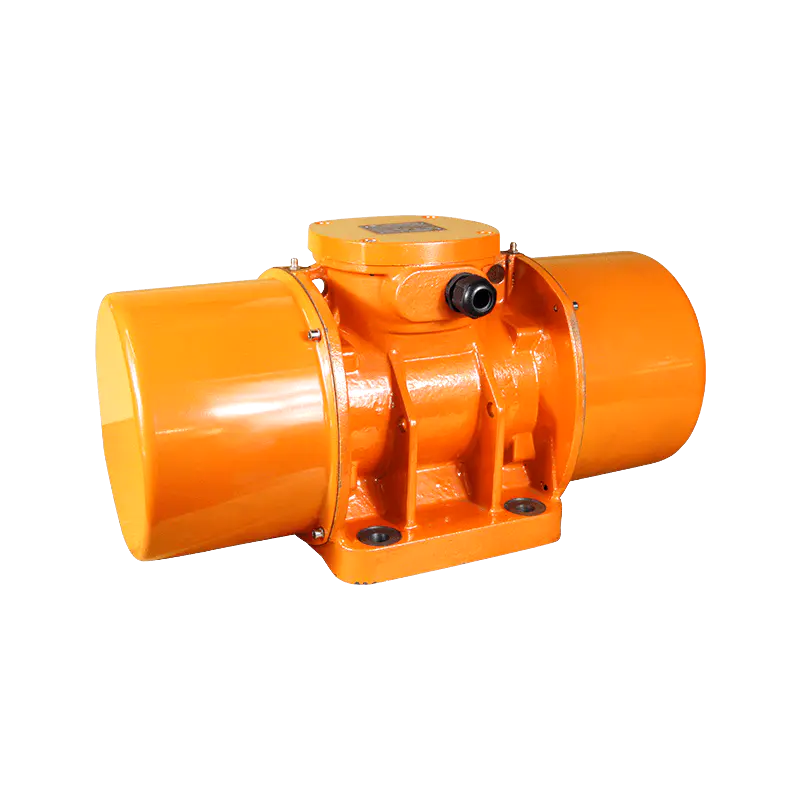
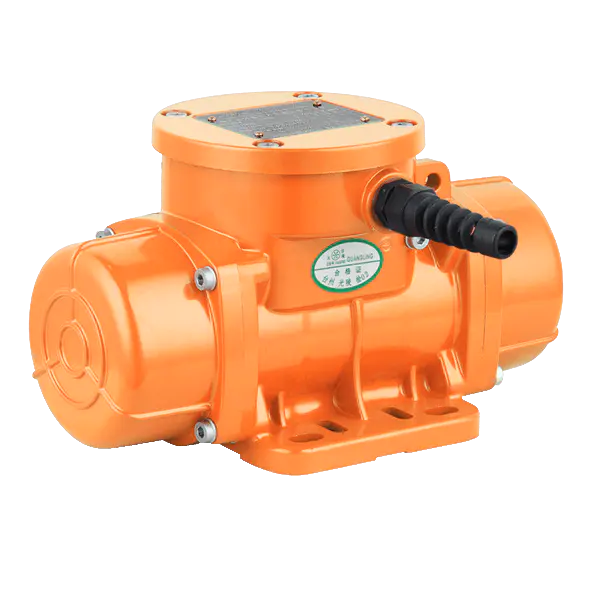
A field technician replacing a worn vibration motor on battery-powered equipment doesn't have the option of running a three-phase line out to a remote site. That's the specific gap a DC Vibrator Motor fills — vibration force generated from a low-voltage direct current supply rather than the fixed AC mains power industrial vibrator motors typically depend on.
Voltage Range Shapes What Equipment a Motor Can Serve
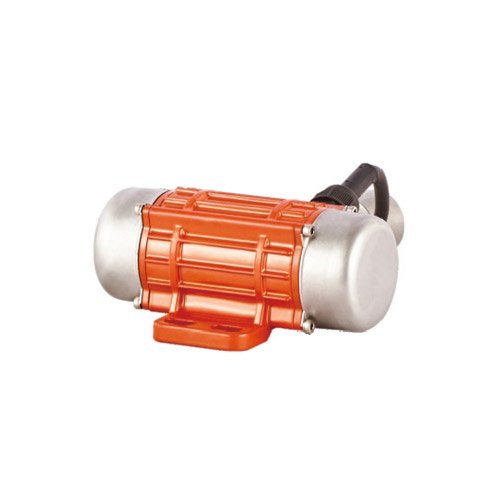
The majority of DC Vibrator Motor models on the market run at 12V or 24V, which lines up directly with standard battery and vehicle electrical systems rather than requiring a separate power conversion stage. This voltage compatibility matters for buyers integrating vibration into mobile equipment, off-grid sensors, or battery-backed alarm systems, since a motor that needs voltage stepped up or down adds cost and a failure point that a properly matched 12V DC vibration motor avoids entirely. Buyers should confirm the exact voltage tolerance range a motor is rated for, since running a 12V-rated unit consistently at the upper edge of its tolerance shortens service life compared to operating within the middle of its rated range.
Vibration Force Output at Lower Power Levels
A DC Vibrator Motor generally produces less vibration force than a comparably sized three-phase industrial motor, since DC motor designs trade some raw force output for the compact, low-power operation that makes battery integration practical from the outset. This tradeoff matters for buyers matching motor selection to application: a battery-powered vibrator motor suits small hopper de-clogging or compact conveyor applications well, but buyers moving heavier material volumes typically need to step up to an AC-powered industrial motor rather than stacking multiple DC units to reach equivalent force.
Comparing DC and AC Vibration Motor Characteristics
|
Characteristic |
DC Vibrator Motor |
Standard AC Industrial Motor |
|
Power Source |
Battery, 12V/24V DC |
Fixed AC mains, 110–380V |
|
Typical Force Output |
Lower |
Higher |
|
Mobile Equipment Fit |
Strong |
Requires inverter or generator |
|
Installation Complexity |
Simple, direct wiring |
May need three-phase supply |
|
Common Applications |
Portable equipment, sensors, alarms |
Fixed industrial machinery |
Buyers deploying equipment in locations without reliable grid access lean toward the DC column, while buyers running continuous fixed-location machinery generally find the AC column better matched to sustained duty cycles. A DC Vibrator Motor rarely competes head-to-head with an AC unit on raw force output — the two categories serve different deployment contexts more often than they serve as direct substitutes.
Housing Material and Environmental Protection
A low-voltage vibrating motor intended for outdoor or mobile deployment needs housing material and sealing that stands up to the environment it's actually deployed in, since portable equipment often faces more exposure to dust, moisture, and impact than motors mounted inside a fixed industrial enclosure. Aluminum alloy housings balance weight and durability well for this category, keeping total equipment weight manageable for battery-powered applications while still providing adequate protection for the internal winding and bearing components.
Quality Control and Testing for Low-Voltage Production
Manufacturing a DC Vibrator Motor at consistent quality requires testing each production batch under actual rated voltage and load conditions rather than relying solely on design specifications, since small variations in winding tolerance or bearing fit can shift real-world force output and current draw enough to matter for buyers with precise power budget requirements. Buyers should request test data showing force output and current draw at both the low and high end of the motor's rated voltage range, since a portable vibrator motor performing consistently across that full range indicates tighter manufacturing tolerances than one tested only at a single nominal voltage point.
Customization and Bulk Supply for OEM Buyers
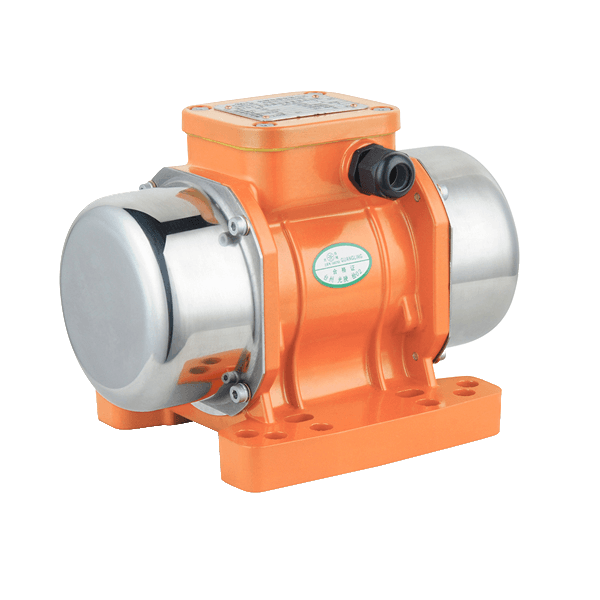
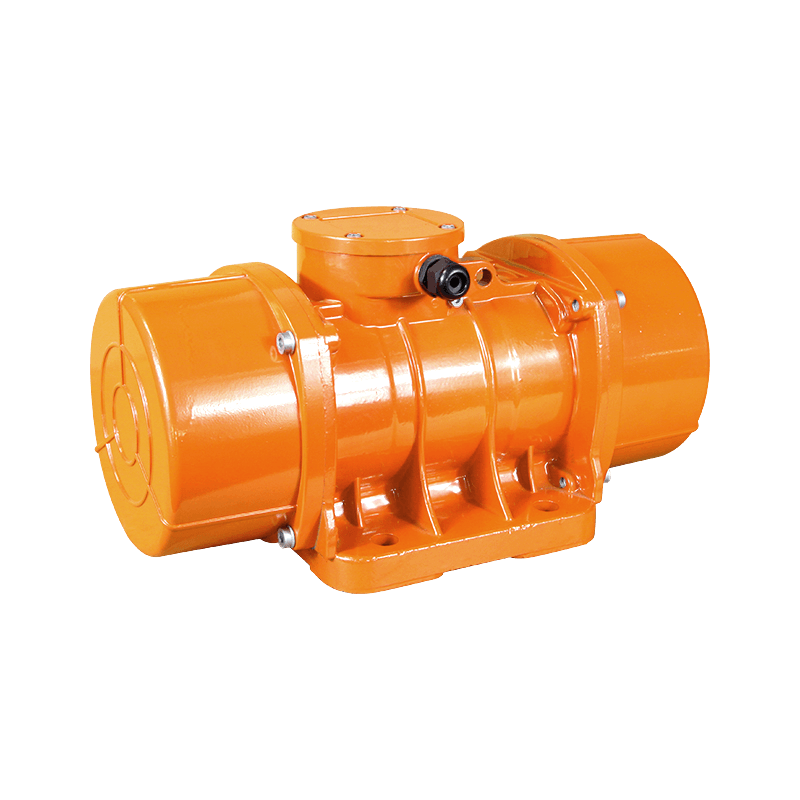
OEM buyers integrating a DC Vibrator Motor into equipment designs often need specific voltage points, custom mounting brackets, or connector types matched to their existing electrical system. Special voltage and frequency configurations can typically be accommodated on a DC Vibrator Motor platform without a full retool, since the core motor design stays consistent while only the winding specification and terminal connection change. Buyers should confirm minimum order quantities for custom voltage variants early in sourcing discussions, since a non-standard voltage point outside the factory's typical 12V/24V range may require a larger production run to remain cost-effective.


 Tel: + 86-576-86320988
 Fax: + 86-576-86333217
 E-mail:
  Add: Dayangcheng Industrial Zone, daxi, wenling, zhejiang, china
