

 英语
英语 葡萄牙语
葡萄牙语 西班牙语
西班牙语 русский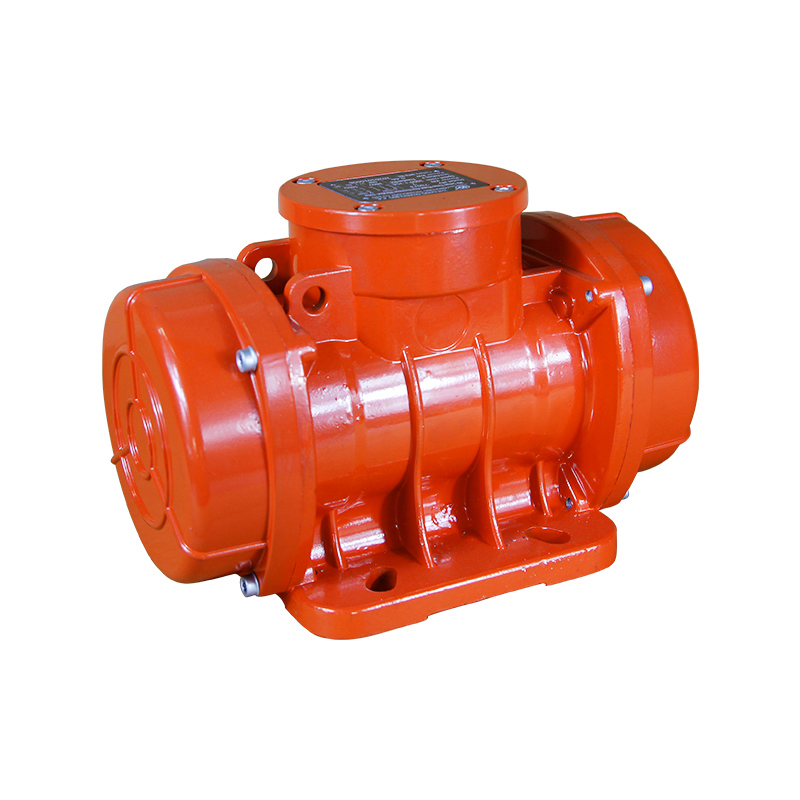
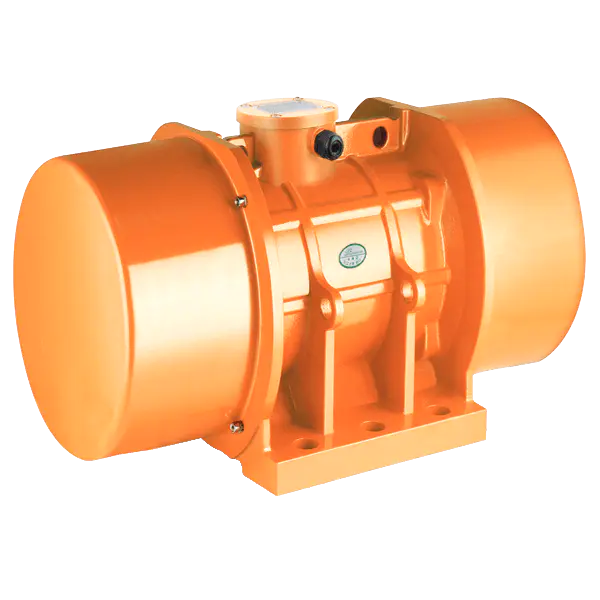
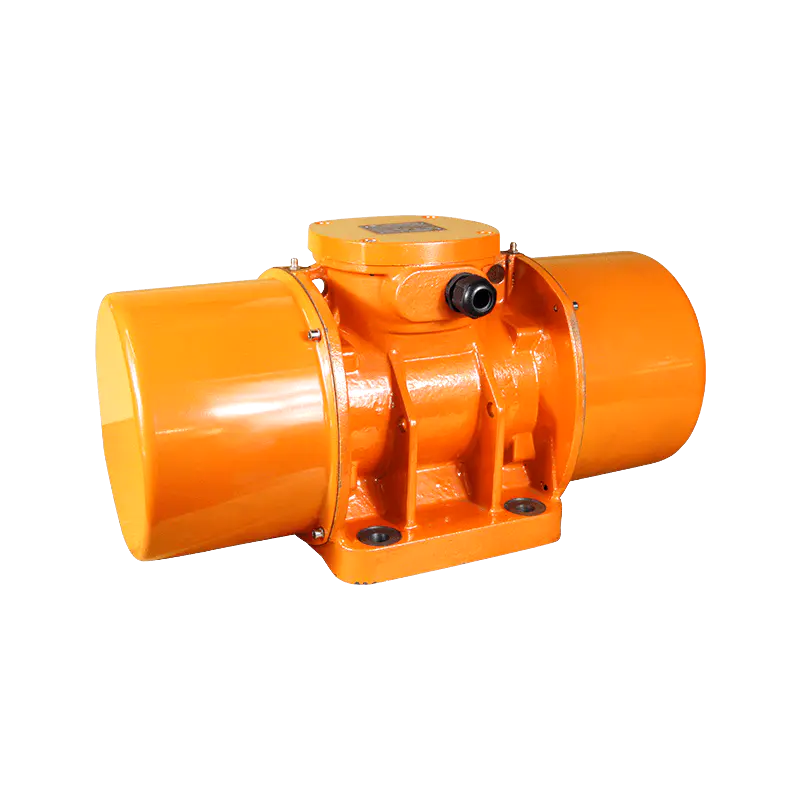
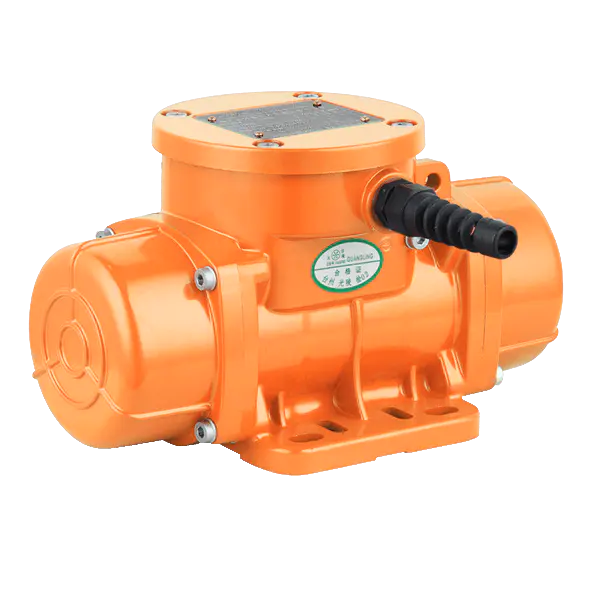
Equipment designers building screening, compaction, and mixing machinery keep facing the same specification question when selecting a drive component: which industrial vibration motor parameters actually carry the greatest weight for a given application, since a specification that performs well on a vibrating screen deck can behave quite differently once installed on a plate compactor or industrial mixer? Manufacturers supplying aggregate processing, road construction, and bulk material handling equipment increasingly find that force output, frequency range, and duty cycle rating need matching to the specific mechanical demands each application places on a motor rather than treating this category as a single interchangeable component.
Screening Applications and Frequency Requirements
Vibrating screens separate material by particle size through controlled shaking motion, and screen performance depends heavily on matching motor frequency to the screen deck's mesh size and the material's particle size distribution. An industrial vibration motor driving a fine-mesh screen typically operates at higher frequency with lower amplitude than one driving a coarse screening deck, since fine particle separation benefits from rapid, smaller-amplitude motion that prevents blinding, the condition where fine particles lodge in and clog screen mesh openings.
Screen deck angle and motor mounting position work together with frequency selection to determine material travel speed across the screening surface, and equipment designers increasingly adjust these three variables together rather than treating frequency as an isolated specification separate from the mechanical screen design it drives.
|
Application |
Primary Requirement |
Typical Motor Characteristic |
|
Fine-mesh screening |
High frequency, controlled amplitude |
Higher RPM, adjustable eccentric weight |
|
Coarse screening |
Higher amplitude, particle separation |
Lower RPM, larger amplitude range |
|
Plate compaction |
High force output, continuous duty |
Robust bearing rating, sealed housing |
|
Industrial mixing |
Sustained vibration, corrosion resistance |
Continuous-duty rating, protective coating |
Compaction Equipment and Continuous Duty Demands
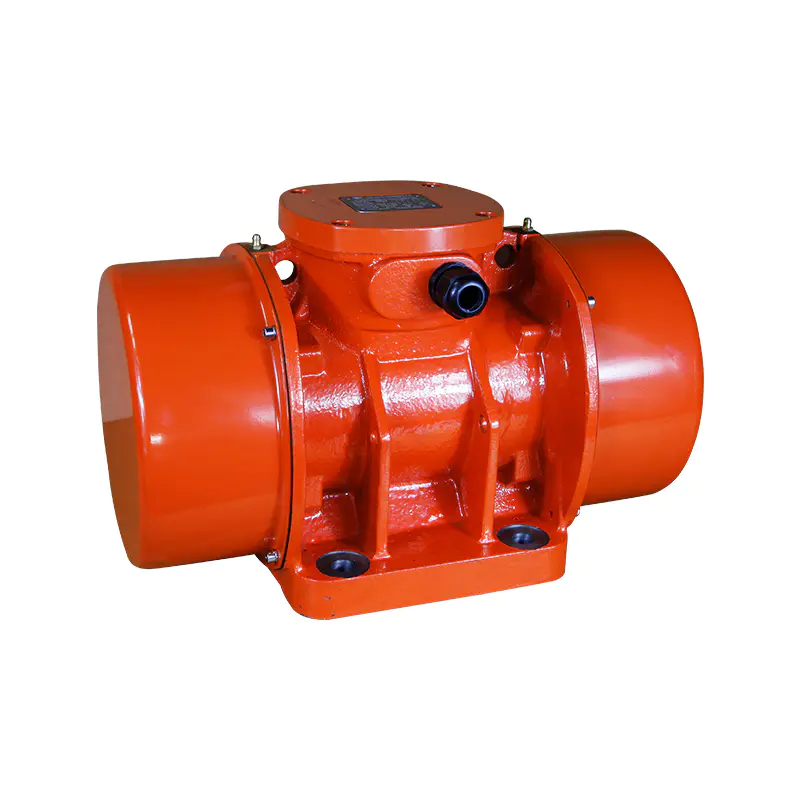
Plate compactors and vibratory rollers place different demands on a motor than screening equipment does, since compaction applications need sustained high force output delivered continuously across an entire operating shift rather than the more moderate, steady-state operation screening typically requires. An industrial vibration motor specified for compaction equipment needs a bearing and housing rating suited to continuous, high-vibration duty, since compaction work generates more consistent mechanical stress on internal components than the somewhat gentler operating profile a screening application produces.
Impact resistance matters considerably for compaction equipment as well, since these machines routinely encounter uneven ground conditions and occasional direct impacts that a screening installation, typically mounted on a stationary frame, would rarely experience during normal operation.
Mixing Applications and Corrosion Considerations
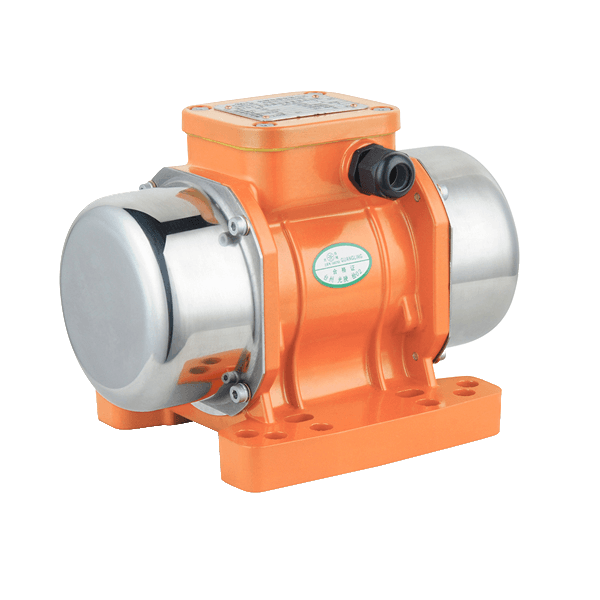
Industrial mixing equipment introduces a different set of demands centered on chemical exposure rather than mechanical impact, since vibratory mixers often process materials that can corrode standard motor housings over extended exposure. Buyers specifying a motor for vibrating equipment used in chemical, food, or pharmaceutical mixing applications increasingly request protective coating options or stainless steel housing construction to withstand this chemical exposure without the corrosion-related failures a standard painted steel housing would eventually develop.
Sanitary design considerations layer additional requirements onto motors used in food-grade mixing applications, since smooth external surfaces without crevices help prevent product residue accumulation that could otherwise support bacterial growth between cleaning cycles. Wash-down rated housings, sealed to a specific IP standard appropriate for direct spray cleaning, have become an increasingly common request from buyers supplying food and pharmaceutical processing equipment manufacturers, since standard industrial sealing rarely accounts for the repeated high-pressure cleaning cycles these facilities require between production runs.
Matching Duty Cycle to Application Demand
Duty cycle rating, describing how much continuous operation an industrial vibration motor can sustain before requiring a rest period, varies considerably across these three application categories and deserves careful attention during motor selection. A vibrating motor rated for intermittent screening duty can overheat and fail prematurely if installed on a continuous-duty compaction application, while a motor built for continuous compaction duty represents unnecessary cost if applied to a screening operation that only runs intermittently throughout a shift.
Sourcing Considerations for Application-Specific Selection
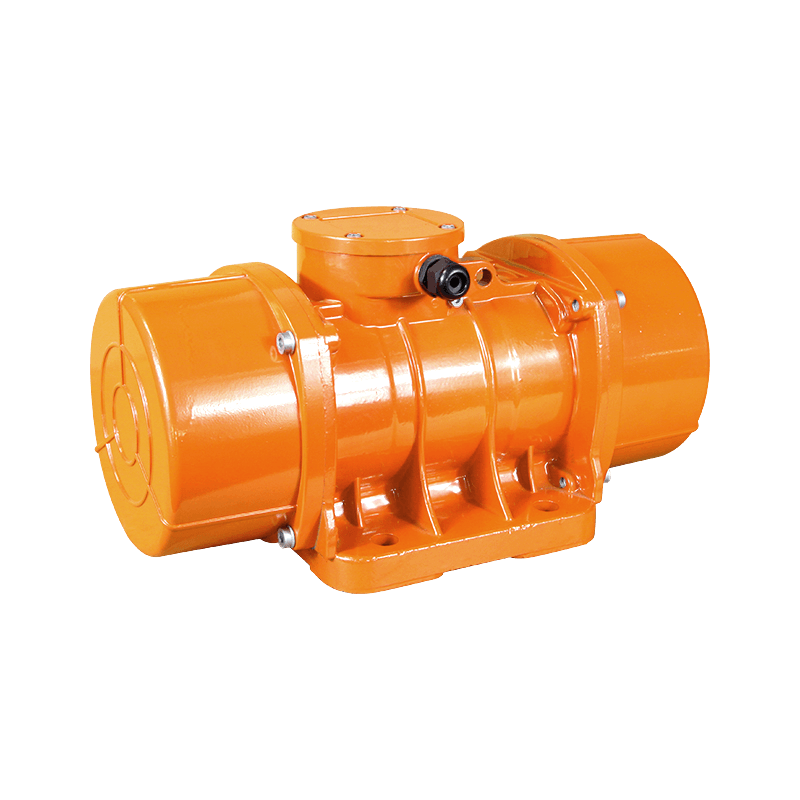
Guangling documents frequency ranges, duty cycle ratings, and housing options across screening, compaction, and mixing applications for its industrial vibration motor lineup, giving equipment designers a selection reference matched to the specific mechanical and environmental demands each application places on the motor.


 Tel: + 86-576-86320988
 Fax: + 86-576-86333217
 E-mail:
  Add: Dayangcheng Industrial Zone, daxi, wenling, zhejiang, china
