

 英语
英语 葡萄牙语
葡萄牙语 西班牙语
西班牙语 русский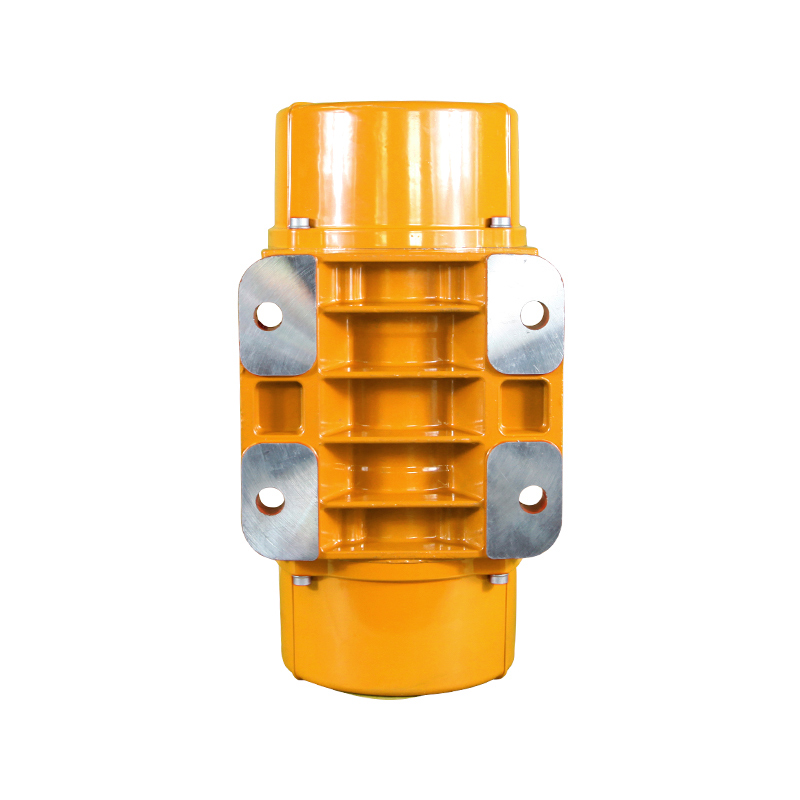
Plant engineers specifying equipment for grain handling, mining, or chemical processing keep facing the same certification question: can a DC vibration motor actually get approved for installation in an area classified as hazardous due to combustible dust or flammable vapor, or does that requirement push a project toward pneumatic alternatives instead? Sourcing teams supplying these industries increasingly find the answer depends on explosion-proof certification, voltage selection, and control method rather than the motor's basic vibration output alone.
Explosion-Proof and ATEX Certification
Standard industrial motors rely on sealed housings to keep dust and moisture out, but hazardous-area installations need a fundamentally different design approach that contains an internal spark or arc well below the ignition threshold of the surrounding atmosphere. A DC vibration motor built for ATEX or IECEx certification typically uses flameproof enclosure construction rated to contain an internal explosion without igniting gas or dust outside the housing, a design requirement that adds cost and mass compared to a standard sealed motor built for ordinary industrial environments.
Zone classification determines exactly what certification level a project requires, since a Zone 22 dust-hazard area carries different requirements than a Zone 1 gas-hazard classification. Buyers specifying an industrial vibration motor for grain silos, coal handling, or chemical processing facilities increasingly request the specific zone rating a unit carries rather than accepting a general "explosion-proof" label without documentation tying that claim to a recognized certification body.
|
Application Environment |
Hazard Type |
Certification Path |
|
Grain and flour handling |
Combustible dust |
Zone 21/22, IECEx or ATEX |
|
Chemical processing |
Flammable vapor |
Zone 1/2, ATEX gas rating |
|
Food-grade washdown |
Moisture, sanitation chemicals |
IP69K, food-safe housing |
|
Pharmaceutical cleanroom |
Contamination control |
Sealed housing, low-particulate finish |
Voltage Selection for Safety-Critical Installations
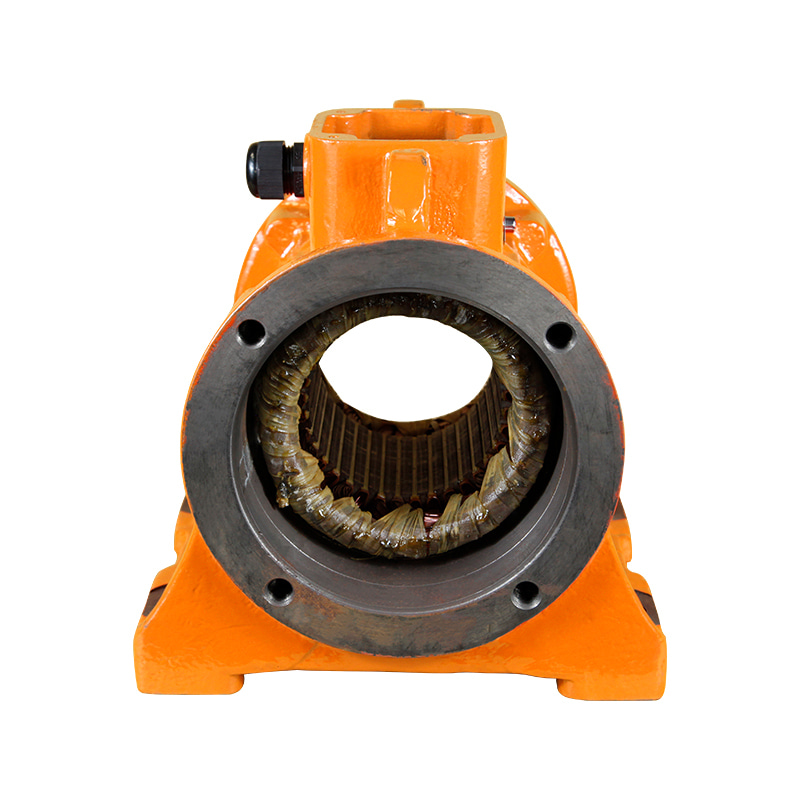
Low-voltage DC operation offers a practical safety advantage in confined or wet installations where a fault to ground carries higher stakes than in a typical dry industrial setting. A DC vibration motor running at 12V or 24V reduces shock hazard risk compared to higher-voltage AC alternatives, which matters directly on equipment serviced by personnel working in tight, poorly ventilated spaces such as tank interiors or hopper enclosures.
This safety benefit comes with a trade-off in force output and cable run distance, since low-voltage systems experience proportionally higher voltage drop over longer cable runs, which can undercut vibration force at the motor if a project team fails to size conductor gauge appropriately for the installation distance involved. Equipment designers increasingly calculate this voltage drop during the design phase rather than discovering underperformance once installation testing begins.
PWM Speed Control and Variable Force Output
Pulse-width modulation control gives a DC vibration motor a way to adjust vibration intensity electronically rather than through mechanical eccentric weight changes alone, a capability that matters considerably for processes needing different vibration intensity at different stages, such as a feeder that needs gentle vibration for a delicate product followed by stronger vibration to clear residual material.
Controller placement affects reliability in hazardous-area installations specifically, since a controller mounted outside the classified zone avoids the certification burden that would otherwise apply if control electronics sat inside the same hazardous enclosure as the motor. Equipment manufacturers building an eccentric vibration motor system for these installations increasingly separate controller and motor certification requirements this way, simplifying the approval process for the full installation.
Food-Grade and Sanitary Washdown Considerations
Food and pharmaceutical processing introduces sanitation requirements that differ substantially from explosion-proof or general industrial specifications. A DC vibration motor rated for washdown environments needs stainless steel or coated housing resistant to sanitation chemicals and repeated high-pressure spray cycles, alongside smooth external contours that avoid crevices where product residue could accumulate and support bacterial growth between cleaning cycles.
Cable entry points and mounting hardware need equivalent sanitary design attention, since a motor housing rated for washdown but paired with a standard cable gland or mounting bracket undermines the sanitation standard the rest of the assembly was designed to meet.
Sourcing Considerations Across Application Types
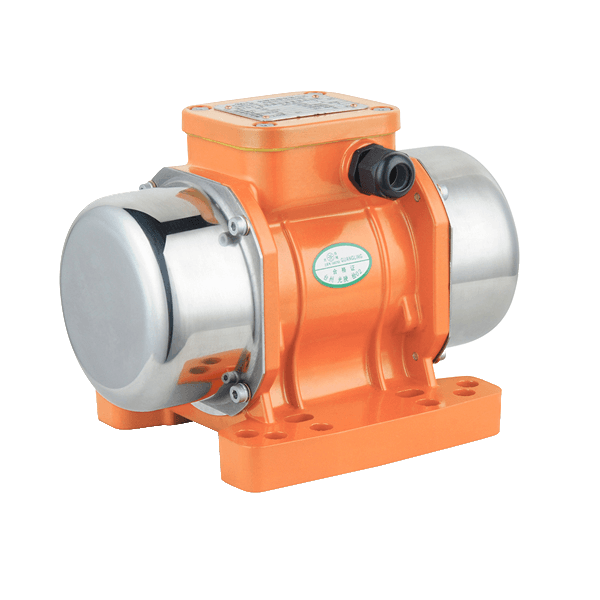
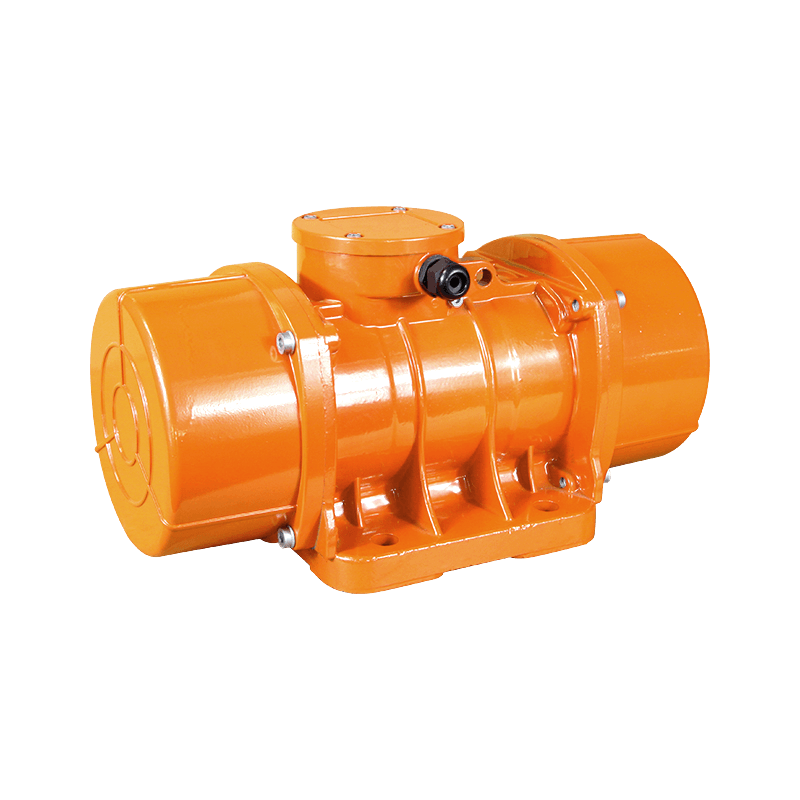
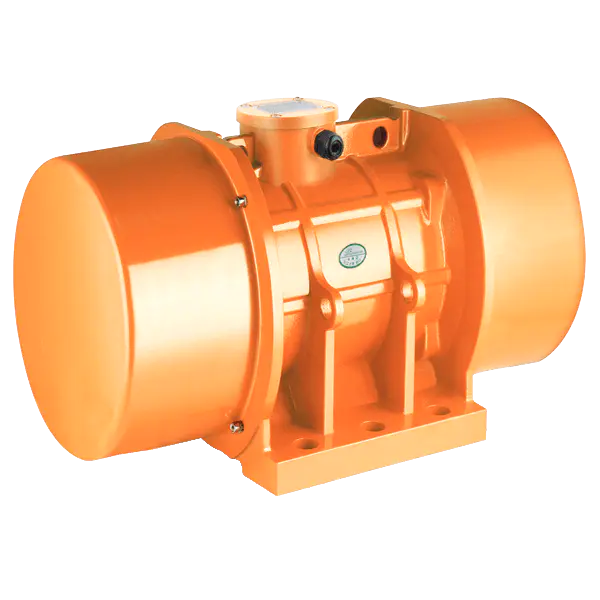
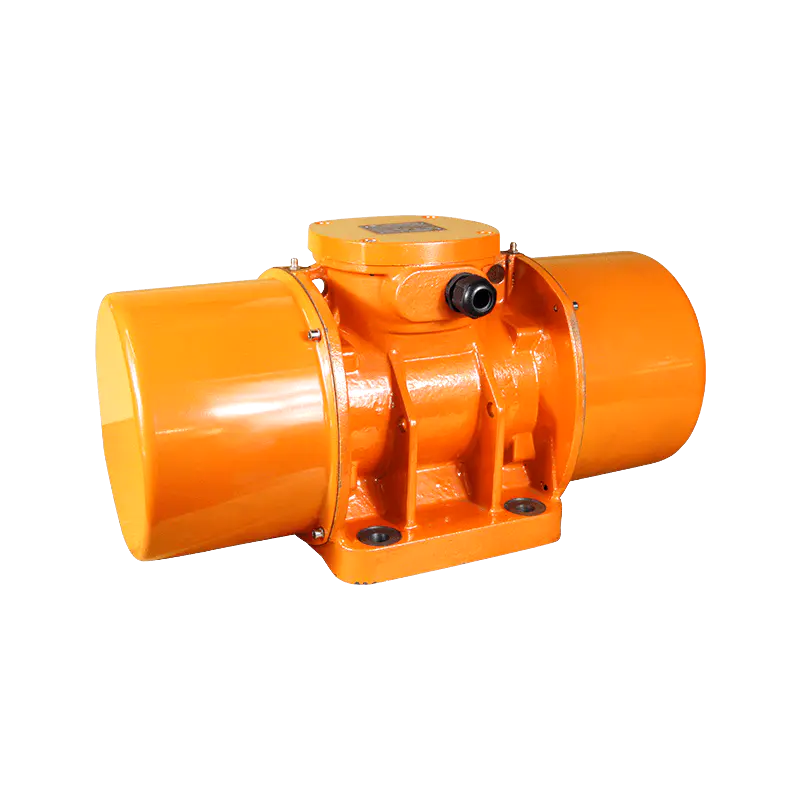
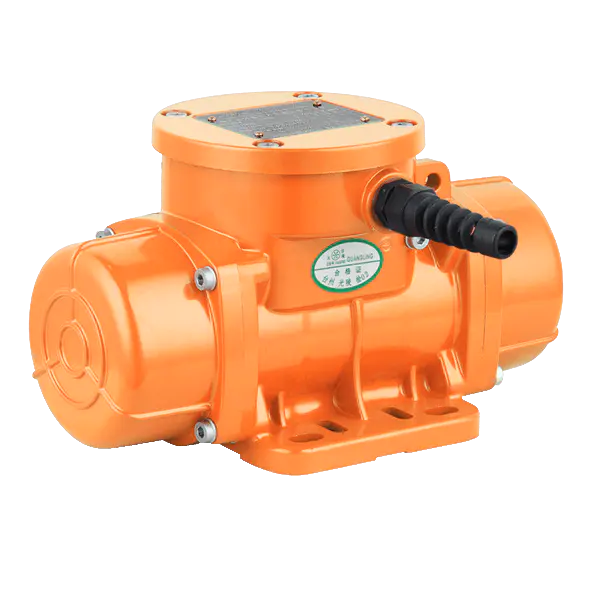
Buyers integrating a DC vibration motor into equipment destined for hazardous, sanitary, or general industrial environments benefit from working with a supplier maintaining separate documented certification paths for each category rather than a single generic product line. Guangling structures its motor offerings around these distinct application requirements, giving OEM buyers a certification and voltage reference matched to the specific installation environment a project requires.


 Tel: + 86-576-86320988
 Fax: + 86-576-86333217
 E-mail:
  Add: Dayangcheng Industrial Zone, daxi, wenling, zhejiang, china
